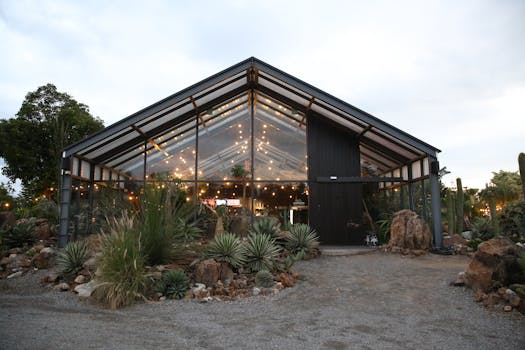
Landscaping with Native Plants: Sustainable Beauty for Every Yard
Landscaping is more than arranging plants for curb appeal—it's a way to create thriving, resilient outdoor spaces that work in harmony with the local environment. In recent years, homeowners, city planners, and gardening enthusiasts have increasingly embraced landscaping with native plants as a way to achieve stunning results while supporting biodiversity and reducing maintenance. But what exactly are native plants, and why are they such a game-changer for modern landscapes? This comprehensive guide dives deep into the unique advantages, design considerations, real-world examples, and ecological impact of landscaping with native plants.
Understanding Native Plants and Their Unique Benefits
Native plants are species that have evolved naturally in a specific region, adapting over thousands of years to the local climate, soil, and wildlife. Unlike ornamental exotics, they form the foundation of local ecosystems and provide food and shelter for indigenous pollinators and birds. The United States alone has over 17,000 native plant species, according to the U.S. Forest Service.
Why should you consider native plants for your landscape? Here are compelling reasons:
- Water Conservation: Native plants typically require 50-75% less water than non-native species once established. - Low Maintenance: They thrive without fertilizers or pesticides, reducing chemical use and upkeep time. - Habitat Creation: Over 96% of terrestrial birds rely on insects that depend on native plants for survival (Douglas Tallamy, University of Delaware). - Pest and Disease Resistance: Their evolutionary history makes them naturally resilient to local pests and diseases.A 2015 study in the journal "Ecological Applications" found that gardens planted with native species supported 60% more native bee species than those with exotics. This symbiotic relationship highlights how native landscaping benefits both people and wildlife.
Designing a Native Plant Landscape: Key Principles
Landscaping with native plants doesn't mean sacrificing aesthetics—far from it. With thoughtful design, you can create a vibrant, ever-changing garden that reflects the beauty of your local region. Here are essential design principles to guide your project:
1. $1: Identify your USDA Plant Hardiness Zone and local ecoregion. Resources like the Lady Bird Johnson Wildflower Center and state extension services offer lists of region-appropriate natives. 2. $1: Group plants according to natural community types—meadows, woodlands, or prairies. This boosts resilience and creates a cohesive look. 3. $1: Combine groundcovers, grasses, shrubs, and trees. For example, in the Midwest, you might blend wild bergamot, little bluestem grass, arrowwood viburnum, and bur oak. 4. $1: Select plants that bloom or provide interest across seasons—spring wildflowers, summer grasses, fall foliage, and winter seed heads. 5. $1: Use logs, rocks, or brush piles to offer nesting and shelter opportunities for wildlife.A well-designed native plant landscape is not only beautiful but also dynamic, supporting pollinators, birds, and beneficial insects throughout the year.
Comparing Native and Non-Native Landscaping Approaches
Choosing between native and non-native plantings can have significant impacts on water use, maintenance, and ecological value. The table below summarizes key differences:
| Aspect | Native Plant Landscaping | Non-Native/Traditional Landscaping |
|---|---|---|
| Water Use | 50-75% less (after establishment) | High, especially for lawns and exotics |
| Pesticide/Fertilizer Needs | Minimal to none | Frequent applications often required |
| Wildlife Support | High (native insects, birds, pollinators) | Limited (often only generalist species) |
| Maintenance Time | Low (once established) | High (mowing, pruning, spraying) |
| Risk of Invasiveness | Very low | Some exotics can become invasive |
| Initial Cost | Comparable or slightly higher | Comparable |
As this comparison shows, native plants offer lower long-term costs and greater ecological benefits, making them a smart investment for sustainable landscaping.
Showcase: Native Plant Success Stories Across the U.S.
Native plant landscaping is gaining momentum from coast to coast. Here are inspiring examples of its success in diverse settings:
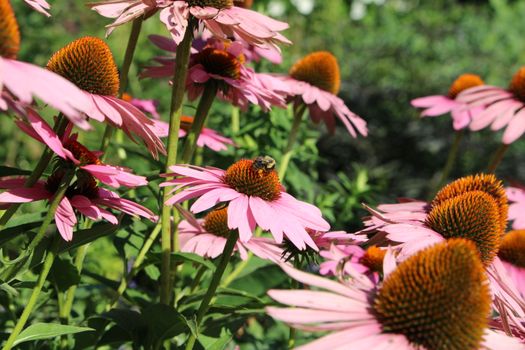
- $1: Since 1977, Prairies Restorations Inc. has converted over 50,000 acres of farmland and lawn into thriving prairie habitats using species like purple coneflower, big bluestem, and prairie dropseed. These landscapes support pollinators and reduce erosion. - $1: Facing severe drought, Los Angeles homeowners have replaced water-thirsty lawns with California poppy, ceanothus, and sage. According to the Metropolitan Water District, these gardens use up to 70% less water, saving an average household 44,000 gallons per year. - $1: In Miami, the Pinecrest Gardens park shifted to native landscaping, increasing butterfly species from 10 to over 40 in five years and creating vital habitat for the endangered Atala butterfly.These diverse projects show that native plants can transform spaces of any size, climate, or purpose—whether you’re restoring a prairie, reimagining a city yard, or revitalizing public parks.
How to Start Your Own Native Plant Landscape
Ready to make the switch? Here’s a step-by-step approach for beginners and experienced gardeners alike:
1. $1: Observe your yard’s sunlight, soil type, drainage, and existing vegetation. Note wet, dry, sunny, or shady areas. 2. $1: Prioritize plants indigenous to your county or state. Local native plant societies and nurseries can provide guidance and starter kits. 3. $1: Remove invasive weeds and turf grass. Sheet mulching with cardboard and compost is an eco-friendly way to suppress unwanted growth. 4. $1: This timing takes advantage of natural rainfall and reduces transplant shock. 5. $1: While natives become drought tolerant, they need regular watering and weed control in their first year. 6. $1: Resist the urge to fertilize or use pesticides; established natives rarely need them and chemicals can harm beneficial insects. 7. $1: Watch for successes and failures, and don’t be afraid to adjust your plant palette or layout as your landscape evolves.According to the National Wildlife Federation, even converting just 20% of your lawn to native plantings can significantly boost local biodiversity and reduce resource use.
The Broader Impact: Native Plants and Climate Resilience
Beyond beauty and low maintenance, landscaping with native plants offers critical environmental benefits that extend well beyond your property line:
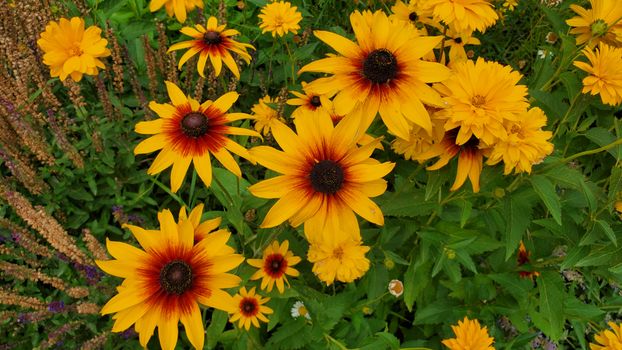
- $1: Deep-rooted natives like switchgrass or black-eyed Susan absorb and filter rainwater, reducing urban flooding and runoff pollution. - $1: Native grasslands and forests store more carbon in their roots and soil than typical turf lawns, helping combat climate change. - $1: Native plantings support food webs, pollination, and soil health. A single oak tree can host over 500 species of caterpillars, compared to just a handful supported by non-native trees.In 2021, the city of Chicago reported that converting just 10% of its parks to native landscapes reduced maintenance costs by 30% and increased pollinator populations by 46%. These findings underscore how native plant landscaping is a powerful tool for building healthier, more resilient cities and neighborhoods.
Final Thoughts: Why Native Plant Landscaping is the Future
Landscaping with native plants is more than a trend—it's a return to gardening in partnership with nature. With tangible benefits like lower water bills, reduced labor, enhanced wildlife habitat, and greater climate resilience, native plant landscapes are an investment in both personal enjoyment and environmental stewardship.
As awareness grows, more communities are incentivizing native landscaping through rebates, educational programs, and demonstration gardens. Whether you have a small urban lot or a sprawling acreage, you can play a vital role in restoring biodiversity and creating vibrant, sustainable spaces that delight the senses year-round.