Our planet faces ever-growing environmental challenges, and every mindful choice we make can tip the scales towards a healthier ecosystem. Gardening is no exception. Whether you have a sprawling backyard or a small balcony, your garden can play a significant role in conserving resources, supporting biodiversity, and reducing pollution. While many articles focus on native plant landscaping or basic eco-friendly swaps, this guide explores advanced and often overlooked eco-friendly gardening tips that go beyond the basics, empowering you to make your green space a real force for environmental good.
The Environmental Impact of Traditional Gardening Practices
Conventional gardening, while beautiful and rewarding, can have unintended negative consequences. According to the U.S. Environmental Protection Agency, residential lawn and garden equipment accounts for about 5% of total U.S. air pollution. Fertilizers and pesticides leach into waterways, causing algal blooms and harming aquatic life. Traditional gardening often relies on water-intensive practices, synthetic chemicals, and the use of peat, a non-renewable resource.
In 2022, over 23 million tons of yard trimmings were sent to landfills in the U.S. alone, according to the EPA. This organic matter, when not composted, produces methane, a greenhouse gas 25 times more potent than carbon dioxide.
Recognizing the impact of these practices is the first step in transforming your garden into an eco-friendly haven. Let’s dive into innovative strategies that make your gardening efforts truly sustainable.
Go Peat-Free: The Sustainable Soil Revolution
Peat moss has long been prized by gardeners for its ability to retain water and improve soil structure. However, peat extraction destroys unique wetland habitats and releases vast amounts of stored carbon into the atmosphere. The UK government has set a target to phase out peat-based products for home gardeners by 2024, recognizing their environmental impact.
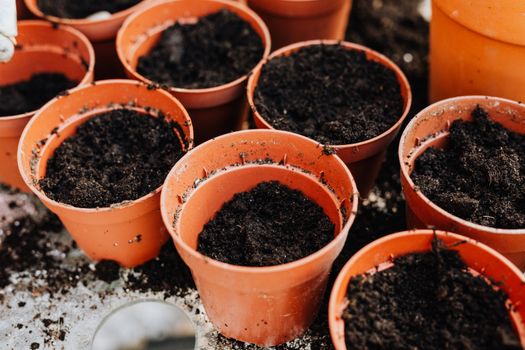
Switch to peat-free alternatives such as coconut coir, composted bark, well-rotted manure, or leaf mold. These materials offer similar benefits without harming precious peat bogs. For example:
- Coconut coir is a renewable byproduct of the coconut industry, excellent at moisture retention. - Leaf mold, made from decomposed leaves, improves soil structure and water retention. - Compost from kitchen scraps and yard waste is nutrient-rich and supports soil biodiversity.By making your own compost, you divert organic waste from landfills and create a closed-loop system that nourishes your plants naturally.
Harness the Power of Perennial Food Plants
Annual vegetables are popular, but require tilling, replanting, and often more fertilizer and water. Perennial food plants, in contrast, grow back year after year with minimal input, reducing soil disturbance and supporting long-term ecosystem health.
Some excellent perennial edibles include:
- Asparagus: Productive for up to 20 years once established. - Rhubarb: Thrives in a variety of climates and is low maintenance. - Artichokes and globe artichokes: Beautiful and productive, attracting pollinators. - Berry bushes: Blueberries, currants, and raspberries provide years of fruit and shelter for wildlife. - Herbs: Chives, oregano, thyme, and mint return reliably every spring.Perennial vegetables also help sequester carbon, support soil structure, and provide year-round habitat for beneficial insects.
Smart Water Management: Beyond Rain Barrels
Water is a precious resource, and efficient irrigation is a cornerstone of eco-friendly gardening. While rain barrels are becoming more common, innovative water-saving strategies can take your sustainable garden to the next level.
Consider the following advanced water management techniques:
- Subsurface irrigation: Drip lines or porous hoses buried beneath mulch deliver water directly to plant roots, minimizing evaporation. - Swales and rain gardens: Landscape depressions designed to capture and filter stormwater, preventing runoff and recharging groundwater. - Greywater recycling: Use lightly used household water (from baths, laundry, or sinks) to irrigate non-edible plants, decreasing demand on potable water supplies.According to the EPA, landscape irrigation accounts for nearly one-third of all residential water use, totaling nearly 9 billion gallons per day in the U.S. alone. Smart irrigation systems with moisture sensors can reduce water use by up to 50%.
Embrace Biodiversity with Layered Planting
A truly eco-friendly garden mimics natural ecosystems by incorporating multiple layers of plants—ground covers, herbaceous perennials, shrubs, and trees. This approach, known as polyculture or multi-layered gardening, creates a resilient environment that supports diverse wildlife, suppresses weeds, and reduces the need for chemical inputs.
For example, a fruit tree guild includes:
- A central fruit tree - Nitrogen-fixing shrubs (like goumi or Siberian pea shrub) - Pollinator-attracting flowers (such as comfrey or yarrow) - Ground covers (like strawberries or creeping thyme)This arrangement maximizes space, encourages natural pest control, and fosters mutual support between plants. The Royal Horticultural Society notes that gardens with high plant diversity can support up to 10 times more insect species compared to monoculture lawns.
Eco-Friendly Alternatives to Common Garden Chemicals
Many gardeners rely on synthetic fertilizers, pesticides, and herbicides—products that can harm beneficial insects, pollute groundwater, and upset the local ecosystem. Instead, try these planet-friendly alternatives:
- Organic seaweed or kelp fertilizers: Offer trace minerals without chemical runoff. - Neem oil and insecticidal soap: Control pests with minimal impact on non-target species. - Mulching with wood chips or straw: Suppresses weeds, retains moisture, and gradually enriches the soil as it breaks down.For weed control, consider flame weeders or hot water weeders, which use heat rather than chemicals to eliminate unwanted plants. Hand weeding, while labor-intensive, is highly effective and provides a chance to observe garden health up close.
Comparison Table: Traditional vs. Advanced Eco-Friendly Gardening Practices
| Practice | Traditional Method | Advanced Eco-Friendly Alternative | Environmental Benefit |
|---|---|---|---|
| Soil Amendment | Peat moss | Coconut coir, homemade compost, leaf mold | Reduces carbon emissions, preserves peat bogs |
| Plant Selection | Annual vegetables | Perennial edibles, mixed layers | Improves soil health, reduces disturbance |
| Irrigation | Overhead sprinklers | Subsurface drip, greywater, rain gardens | Minimizes water waste, reduces runoff |
| Pest Control | Synthetic pesticides | Neem oil, insecticidal soaps, companion planting | Protects beneficial insects and soil life |
| Weed Management | Chemical herbicides | Mulching, flame/steam weeders, manual removal | Prevents chemical pollution |
Upcycling and Reusing: Creative Solutions for Sustainable Gardens
Waste reduction is a key pillar of eco-friendly gardening. Instead of buying new materials, look for ways to repurpose and upcycle items you already have. Here are some creative ideas:
- Old pallets can be transformed into vertical planters or compost bins. - Broken ceramics or tiles make unique mulch or garden mosaics. - Plastic bottles serve as mini greenhouses, cloches, or drip irrigators. - Reclaimed bricks and stones build beautiful garden paths or raised beds. - Discarded kitchen utensils make quirky plant labels.A 2023 study by the European Environment Agency found that upcycling garden materials reduced overall waste by up to 28% in participating households. Not only does this save resources, but it also adds character and personal flair to your green space.
Wildlife-Friendly Habitats: Beyond Bird Feeders
A thriving eco-friendly garden is a sanctuary for more than just plants. Move beyond basic bird feeders by creating habitats for a variety of creatures:
- Install a small pond or water feature to support amphibians and beneficial insects. - Build insect hotels from bamboo, logs, and straw to shelter pollinators and predatory insects. - Leave some logs, rocks, or leaf piles undisturbed to provide homes for hedgehogs, toads, and ground beetles. - Plant dense hedges or native shrubs as nesting sites for birds and small mammals.Gardens that support wildlife not only contribute to biodiversity but also naturally regulate pests and pollinate crops.
Final Thoughts on Eco-Friendly Gardening
Eco-friendly gardening is far more than a passing trend—it’s a practical, impactful way to nurture both your garden and the planet. By adopting advanced techniques such as peat-free soil amendments, perennial planting, intelligent water management, biodiversity-focused design, chemical-free maintenance, upcycling, and wildlife habitat creation, you can transform your outdoor space into a beacon of sustainability. Every small change adds up, and together, responsible gardeners can create a powerful ripple effect for the environment. As you implement these strategies, you’ll cultivate not only healthier plants but also a more resilient, beautiful, and sustainable world.