Gardening is a rewarding hobby that brings beauty, food, and tranquility to our homes. But what if your garden could do even more—like reduce landfill waste, save money, and inspire creativity? Learning how to use recycled materials in your garden is a smart, eco-friendly approach that benefits both your plants and the planet. From ingenious planters made from household items to practical landscaping solutions, there’s a world of possibilities waiting in your recycling bin. This guide will show you how to transform everyday waste into valuable garden resources, backed by real-world examples, practical tips, and a clear look at the environmental impact.
The Environmental and Economic Benefits of Recycling in the Garden
Every year, the average American generates about 4.9 pounds of solid waste per day, according to the EPA. A significant portion of this waste is made up of materials like plastic, glass, and metal—items that commonly end up in landfills but could be reused or upcycled instead. In the garden, using recycled materials translates to:
- Lower costs: Repurposing containers, tools, or decor from waste means less money spent on new products. - Reduced landfill burden: Diverting items from the trash stream helps decrease pressure on landfill sites. - Resource conservation: Reusing materials reduces demand for new raw materials, saving water and energy. - Unique garden style: Recycled garden features add character and often become conversation starters.A 2023 study by the Royal Horticultural Society found that gardens incorporating recycled materials used 30% less new resources and saw a reduction in waste disposal by up to 40%. Not only does this practice make environmental sense—it can save gardeners an estimated $50–$200 per season, depending on the scale of the project.
Creative Planters: Giving New Life to Old Containers
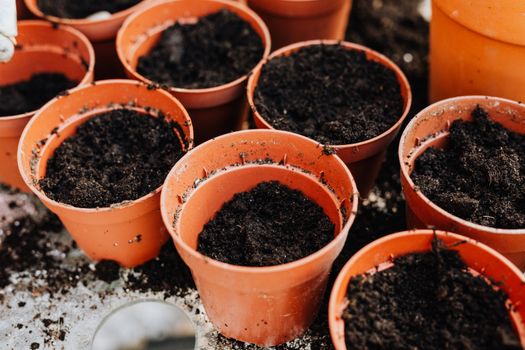
One of the easiest ways to use recycled materials in your garden is by creating planters from items destined for the bin. Almost any container can be adapted for plant life with a little imagination and a few drainage holes.
Popular options include:
- Plastic bottles: Cut in half or with windows cut out, these make perfect homes for herbs and succulents. They’re lightweight and easy to hang on fences or balconies. - Tin cans: After removing sharp edges and adding drainage, tin cans are excellent for seedlings or small flowers. They can be painted for extra flair. - Tires: Old car tires, which are difficult and costly to dispose of, can be stacked and filled with soil to create raised beds or bold flower displays. The Rubber Manufacturers Association estimates that up to 290 million tires are discarded annually in the U.S.—using even a few in your garden can help curb this problem. - Broken teapots, mugs, or ceramic bowls: Instead of tossing chipped ceramics, drill a drainage hole and use them for quirky, small-scale plantings.For a quick comparison, see how different recycled planters stack up in terms of durability, cost, and appearance:
| Material | Durability | Cost | Visual Appeal | Best For |
|---|---|---|---|---|
| Plastic Bottles | Medium | Free | Modern, Colorful | Herbs, Small Flowers |
| Tin Cans | High | Free | Rustic, Customizable | Seedlings, Annuals |
| Old Tires | Very High | Free | Bold, Raised Beds | Vegetables, Shrubs |
| Broken Ceramics | High | Free | Whimsical, Artistic | Succulents, Decor |
Building Garden Structures from Salvaged Materials
Recycled materials aren’t just for planters—they can also be used to build garden structures such as trellises, fences, and raised beds. With a bit of planning and basic DIY skills, you can create durable and attractive features while keeping waste out of landfills.
- Pallet wood: Discarded shipping pallets are widely available and often free. They can be taken apart and rebuilt into compost bins, planters, or vertical gardens. Just be sure to check for any chemical treatments—look for pallets marked “HT” (heat-treated) rather than “MB” (methyl bromide). - Old windows and doors: Salvaged windows make beautiful cold frames or greenhouse walls, letting in light while protecting young plants. Upcycled doors can be used as garden gates or trellis backdrops. - Bricks and pavers: Broken or leftover bricks from other projects can be reused for edging beds, creating garden paths, or building retaining walls. - Wire or metal scraps: Old bed frames, wire fencing, or even bicycle wheels can be fashioned into sturdy trellises for climbing plants.A 2021 survey by the National Gardening Association found that 18% of home gardeners had built at least one major garden feature—such as a raised bed or fence—using recycled materials, citing durability and cost savings as key benefits.
Water-Wise Gardening with Recycled Items
Gardening with recycled materials isn’t only about containers and structures. You can also enhance your garden’s water efficiency and reduce your environmental impact with smart reuses:
- Rainwater harvesting: Use old barrels or food-grade plastic drums as rainwater collectors. One inch of rain on a 1,000-square-foot roof can yield about 600 gallons of water—plenty for most home gardens. - DIY irrigation: Punctured plastic bottles can be buried near plant roots to deliver water directly where it’s needed, reducing evaporation and waste. - Mulch from newspapers and cardboard: Layering sheets of uncoated newspaper or cardboard around plants suppresses weeds and helps soil retain moisture. Over time, these materials break down and enrich the soil.The EPA estimates that landscaping irrigation accounts for nearly one-third of all residential water use in the United States, about 9 billion gallons per day. Using recycled materials for water management can help cut your water usage by up to 20%, according to studies by the University of Georgia Cooperative Extension.
Decor and Art: Adding Personality with Upcycled Treasures
One of the joys of recycling in the garden is the opportunity to add personal touches with handmade decor. Many items that might seem like junk can become eye-catching features or functional art pieces:
- Glass bottles: Embedded in garden beds or used to edge paths, colored bottles create sparkling borders. - Scrap metal: Old tools, bicycle parts, or kitchen utensils can be welded or assembled into whimsical garden sculptures or bird feeders. - CDs and DVDs: Strung in trees, these reflect sunlight and can help deter birds from fruit trees while adding a touch of shimmer. - Mosaic projects: Broken tiles, plates, or mirrors can be used to create mosaic stepping stones, tabletops, or decorative wall panels.A 2022 poll by Garden Design magazine found that 53% of gardeners who incorporated recycled decor felt their gardens had more “character” and uniqueness than before, with many enjoying the storytelling aspect of each piece.
Composting: Turning Kitchen and Garden Waste into Black Gold
Perhaps the ultimate way to recycle in the garden is composting. Instead of sending food scraps, leaves, and grass clippings to the landfill, you can transform them into nutrient-rich compost that boosts soil health and plant growth.
Key facts about composting:
- The EPA reports that food scraps and yard waste make up about 30% of what we throw away. - Compost can improve soil water retention by up to 20%, reducing the need for irrigation. - Home composters can reduce household waste by an average of 500 pounds per year.Simple compost bins can be made from recycled wood, old trash cans, or even stacked shipping pallets. Just remember to balance “greens” (nitrogen-rich materials like fruit peels and coffee grounds) with “browns” (carbon-rich items like dried leaves, shredded paper, or cardboard).
Final Thoughts: Embracing Sustainability in Your Garden
Learning how to use recycled materials in your garden opens up a world of possibility for both creativity and sustainability. By repurposing containers, building structures, managing water wisely, decorating with upcycled art, and composting organic waste, you’ll not only reduce your environmental footprint but also create a unique and thriving outdoor space. With millions of tons of material discarded every year, every small effort counts—so why not start in your own backyard? Your garden, your wallet, and the planet will thank you.