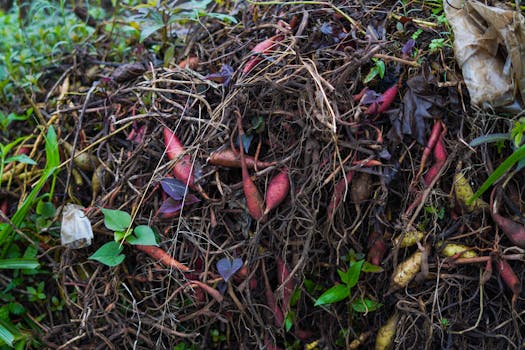
Home composting is not just a trend; it’s an empowering way to reduce household waste, enrich your garden, and play a part in environmental conservation. With over 30% of the average household’s waste stream composed of organic material, learning how to compost at home can transform both your garden and your impact on the planet. Whether you have a sprawling backyard or a small apartment balcony, composting is accessible to nearly everyone. This comprehensive guide breaks down the science, techniques, and practical tips for successful home composting, complete with comparisons of methods and answers to common questions.
The Science Behind Composting: How Organic Waste Becomes Black Gold
At its core, composting is the natural process of decomposition. Microorganisms—bacteria, fungi, and actinomycetes—break down organic matter, turning kitchen scraps and yard waste into nutrient-rich humus that revitalizes soil. Temperature, moisture, oxygen, and the balance of carbon and nitrogen (the so-called "browns" and "greens") are the key factors that drive the composting process.
- $1 In a well-managed compost pile, temperatures can soar up to 140°F (60°C), killing weed seeds and pathogens. - $1 The ideal C:N ratio for composting is about 30:1. Too much carbon (dried leaves, paper) slows decomposition, while too much nitrogen (food scraps, grass clippings) can create odors. - $1 With proper management, backyard compost can be ready in as little as 2-3 months, while low-maintenance piles may take 6-12 months.Understanding this basic science helps you troubleshoot issues and optimize your compost for faster, odor-free results.
Choosing the Right Composting Method for Your Home
Different homes and lifestyles call for different composting approaches. Here’s a side-by-side comparison of the most popular home composting methods:
| Method | Space Needed | Typical Time to Compost | Ease of Use | What You Can Compost | Special Notes |
|---|---|---|---|---|---|
| Backyard Pile or Bin | Medium-Large | 2-12 months | Moderate | Yard waste, food scraps | Needs turning, outdoor only |
| Tumbling Composter | Small-Medium | 2-6 months | Easy | Most food & yard waste | Contained, less pest risk |
| Worm Bin (Vermicomposting) | Small | 2-4 months | Easy | Fruit & veg scraps, paper | Indoor suitable, no yard needed |
| Bokashi | Very Small | 2-4 weeks (pre-compost) | Easy | All food waste, incl. meat/dairy | Requires secondary composting |
For those with outdoor space, a pile or tumbler offers the most versatility. Apartment dwellers often opt for worm bins or Bokashi systems, which can fit under the sink or on a balcony. According to the US Environmental Protection Agency, nearly 2.6 million tons of food scraps are composted in households each year—and the method you choose can help you join this growing movement.
What You Should (and Shouldn’t) Compost at Home
Composting is simple, but knowing what to toss in is crucial for healthy, odor-free results. Here’s a breakdown of composting dos and don’ts:
- $1 - Fruit and vegetable scraps - Coffee grounds and filters - Tea bags (remove staples) - Fresh grass clippings - Plant trimmings - $1 - Dry leaves - Shredded paper and cardboard (avoid glossy finishes) - Sawdust (untreated wood) - Straw and hay - Eggshells - $1 - Meat, fish, and dairy (unless using Bokashi) - Fats, oils, and grease - Diseased plants - Pet waste (can contain harmful pathogens) - Glossy or coated paper - Large branches (unless chipped)A 2021 study by the National Waste & Recycling Association found that when households separate compostables correctly, the risk of odors and pests drops by over 60%. Always cover food scraps with a layer of browns to deter critters and speed up decomposition.
Step-By-Step: Starting Your Home Compost System
Setting up your compost is easier than you might think. Here’s how to begin:
1. $1 Choose a spot that’s level, well-drained, and accessible year-round. For outdoor piles or bins, partial shade helps retain moisture without overheating. 2. $1 Whether using a pile, bin, tumbler, or worm box, make sure your container allows for airflow and drainage. 3. $1 Start with a layer of coarse browns (twigs, straw) for aeration. Alternate layers of greens and browns, aiming for a 2:1 ratio of browns to greens. 4. $1 Turn or mix the compost every 1-2 weeks to add oxygen. Keep the pile as damp as a wrung-out sponge; add water if too dry, or more browns if too wet. 5. $1 A well-managed pile will heat up and shrink as materials break down. Finished compost is dark, crumbly, and earthy-smelling.If you’re using a worm bin, keep it indoors or in a sheltered spot. Feed your worms weekly and bury food scraps to prevent fruit flies. With a Bokashi system, ferment scraps in the bucket, then bury the results outdoors or add to a compost pile for final decomposition.
Benefits of Composting at Home: From Waste Reduction to Garden Rewards
The advantages of home composting go far beyond reducing trash. Here are some compelling reasons to start:
- $1 The average US household throws away approximately 219 pounds of food per person every year, much of which could be composted. - $1 Compost improves soil structure, increases moisture retention, and adds essential nutrients—reducing the need for chemical fertilizers. - $1 Composting one ton of organic waste prevents nearly 0.5 metric tons of CO2 equivalent emissions compared to landfill disposal (EPA, 2023). - $1 By composting, you reduce the need for store-bought soil amendments and potentially lower your waste disposal costs. - $1 Gardens and houseplants thrive with compost-rich soil, resulting in stronger growth and improved disease resistance.Real-world examples abound: San Francisco’s curbside composting program, started in 1996, diverts over 650 tons of organic waste daily, proving the cumulative impact of home and citywide efforts.
Common Problems and How to Fix Them
Even the best composters run into hiccups now and then. Here’s how to troubleshoot the most frequent issues:
- $1 Usually caused by too much nitrogen or poor aeration. Add more browns and turn the pile to introduce oxygen. - $1 Avoid adding meat, dairy, or oily foods. Use a rodent-proof bin or tumbler. - $1 Likely due to too many browns or a dry pile. Add greens and water, and mix thoroughly. - $1 Add dry browns and turn the pile more often. - $1 If worms are escaping or dying, check for excess moisture, acidity (avoid citrus), or food overload.Regularly monitoring your compost and adjusting as needed will help you avoid most issues and keep the process running smoothly.
Final Thoughts on Mastering Home Composting
Composting at home is a practical, rewarding way to live more sustainably, reduce your household’s waste stream, and boost the vitality of your garden. With options for every space and lifestyle—from traditional backyard piles to apartment-friendly worm bins—there’s a system that’s right for you. By understanding the science, choosing the right method, and following a few simple steps, you’ll soon turn leftovers and yard waste into a powerful resource for your plants and the planet.