Why a Wildlife-Friendly Garden Makes a Difference
A wildlife-friendly garden is more than just a beautiful outdoor space; it’s a vital link in the local ecosystem chain. According to the Royal Society for the Protection of Birds (RSPB), UK gardens cover over 430,000 hectares—more than all of the country’s nature reserves combined. This means your backyard can be a powerful tool for supporting biodiversity, helping to reverse the decline of species such as hedgehogs, bees, butterflies, and songbirds. Even with a modest budget, you can create a haven that welcomes wildlife, supports pollination, and adds joy to your own life.Choosing Budget-Friendly Native Plants for Wildlife
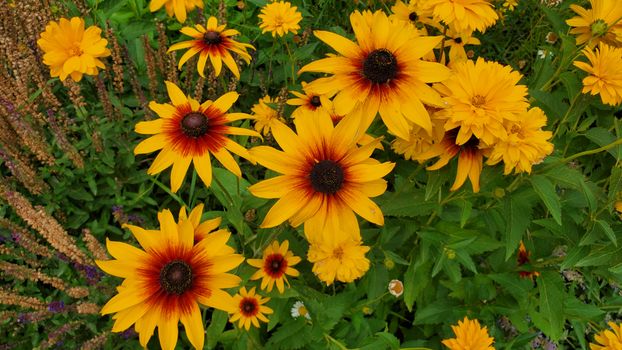
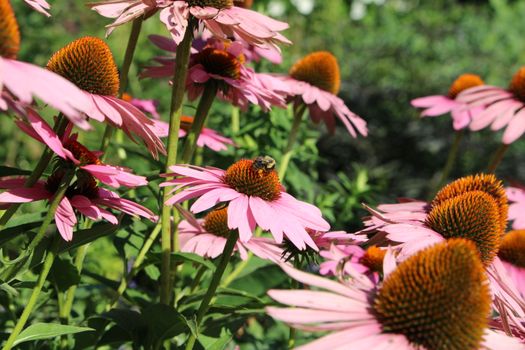
Plants are the foundation of any wildlife-friendly garden, as they provide essential food and shelter. Native plants are generally the best option because they’re adapted to your local climate and support the insects and animals that have evolved alongside them. According to the National Wildlife Federation, gardens with at least 70% native plants attract 50% more wildlife than those with mostly exotics. Here are some cost-effective, wildlife-friendly native plants commonly available in North America and Europe: - Sunflowers (Helianthus annuus): Attracts bees, birds, and butterflies. Seeds are inexpensive, and they self-seed for future seasons. - Lavender (Lavandula spp.): Loved by bees and butterflies, drought-tolerant, and often available as affordable small plants or seeds. - Coneflowers (Echinacea spp.): Provide nectar for pollinators and seeds for birds. - Elderberry (Sambucus nigra): Offers berries for birds and flowers for insects. - Wild violets (Viola spp.): Early spring nectar source for pollinators.To save even more, swap seeds or cuttings with neighbors or join local gardening groups, which often host plant exchanges. You can also collect seeds from public spaces with permission, or propagate your own plants from cuttings, which is free except for a little time and patience.
DIY Habitats: Low-Cost Ways to Shelter Wildlife
Providing shelter doesn’t require expensive birdhouses or pre-made habitats. In fact, many creatures prefer natural, messy options. Here’s how you can create essential habitats without spending much: - Log and Stick Piles: Stack branches, logs, and twigs in a corner to create a haven for beetles, hedgehogs, and frogs. These piles mimic fallen wood in forests and cost nothing if you use garden waste. - Leaf Litter: Allow leaves to accumulate in certain areas. This creates shelter for insects, amphibians, and ground-feeding birds. - Rock Piles: Group together rocks or stones to provide hiding spots for reptiles and small mammals. - DIY Birdhouses: Use old wood scraps, broken terra cotta pots, or surplus materials to make nesting boxes. There are plenty of free online guides with templates. - Insect Hotels: Repurpose old bricks, bamboo canes, and hollow stems to build insect hotels that offer nesting sites for solitary bees and other insects.According to a study published by the University of Sussex, simple log piles can increase garden beetle diversity by up to 50%. These habitats also help recycle garden waste and reduce landfill costs.
Creating Water Sources Without Breaking the Bank
Water is the single most valuable addition for wildlife. Even a small water source can attract birds, bees, butterflies, and amphibians. Here are some budget-conscious options: - Birdbaths: Use a shallow dish, old baking tray, or upturned trash can lid. Place a stone in the center for perching. - Mini-Ponds: Dig a small hole, line it with heavy-duty plastic or an old washing-up bowl, and add a few rocks and aquatic plants. According to the UK Wildlife Trusts, even a pond as small as 60 cm across can attract frogs and dragonflies. - Drippers or Fountains: If mosquitoes are a concern, keep water moving by making a simple dripper with a recycled bottle or using a solar-powered fountain (now available for less than $20). - Cleanliness: Change water every few days to prevent stagnation and disease.A survey by the British Trust for Ornithology found that 43% of garden birdwatchers reported more birds after adding a water feature.
Supporting Pollinators on a Shoestring
Pollinators are essential for a healthy garden and a thriving environment. Bees alone are responsible for pollinating about one-third of the food we eat. Here’s how to boost pollinator numbers affordably: - Grow a Range of Flowers: Choose plants that bloom from early spring to late autumn to provide continuous nectar and pollen. - Avoid Double-Flowered Varieties: Single, open flowers are easier for pollinators to access. - Create a Wildflower Patch: Let a section of lawn grow wild, or sow a packet of mixed wildflower seeds (often under $5 for coverage of 10-20 square meters). - Leave “Weeds”: Some weeds, like dandelions and clover, are valuable early nectar sources. - Make DIY Bee Hotels: Drill holes into untreated wood blocks or bundle up hollow stems.Here’s a comparison of popular, budget-friendly pollinator plants:
| Plant | Best For | Cost (per pack/plant) | Bloom Period |
|---|---|---|---|
| Sunflower | Bees, birds, butterflies | $2-4 (seeds) | Summer |
| Lavender | Bees, butterflies | $3-6 (small plant) | Summer-Autumn |
| Coneflower | Bees, birds | $4-8 (small plant) | Summer-Autumn |
| Wildflower mix | All pollinators | $4-10 (seed mix) | Spring-Autumn |
Maintaining Your Garden Naturally and Affordably
Sustainable maintenance is key for both wildlife health and your wallet. Avoiding chemicals not only protects local wildlife but also saves money. Here’s how to keep your garden thriving: - Organic Pest Control: Encourage natural predators like ladybugs and frogs. Make homemade sprays from garlic or soap for aphids. - Composting: Turn food scraps, lawn clippings, and fallen leaves into nutrient-rich compost. According to the EPA, composting can reduce household waste by 30%. - Mulching: Use grass clippings, leaves, or shredded paper as mulch to retain moisture and suppress weeds. - Manual Weeding: Remove weeds by hand or use inexpensive tools, avoiding costly herbicides. - Diversify Planting: A mix of plants creates a resilient ecosystem, reducing outbreaks of pests and diseases naturally.A 2022 survey by Garden Organic found that 67% of home gardeners who switched to organic methods noticed an increase in beneficial insects within a year.