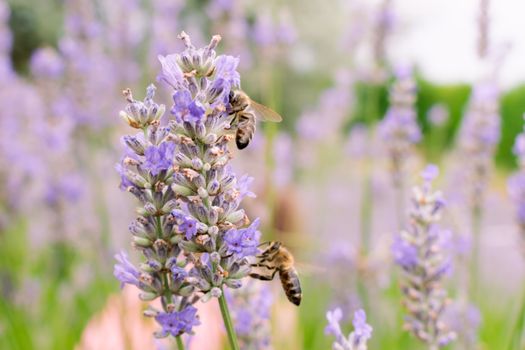
Bee and butterfly gardens are more than just visually stunning additions to your outdoor space—they are vital sanctuaries for pollinators whose populations have been declining worldwide. By intentionally designing gardens that attract these essential insects, you not only add beauty and ecological value to your landscape, but also support the health of the planet. The real art lies in selecting and cultivating plants that are irresistibly attractive to bees and butterflies, while also thriving in your local environment. This guide will walk you through the process of creating an inviting haven for pollinators, offering science-backed strategies, practical plant selection tips, and creative design ideas to maximize both aesthetic and ecological rewards.
The Science Behind Pollinator Attraction
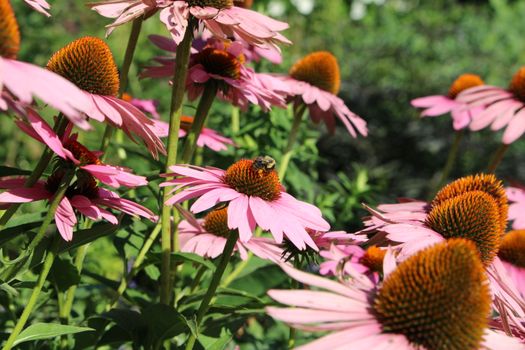
Understanding why bees and butterflies are drawn to certain plants is the first step in crafting a truly effective garden. Both bees and butterflies rely heavily on visual and olfactory cues to locate food sources. Bees are particularly attracted to blue, purple, and yellow flowers, as their vision is tuned to these colors. Butterflies, on the other hand, are attracted to bright colors like red, orange, pink, and purple, and prefer flat, open flowers that offer a landing platform.
Scent also plays a crucial role. Many pollinator-friendly plants emit sweet, strong fragrances that can be detected from a distance. Scientific studies show that bees can detect some floral scents from as far as one kilometer away. Additionally, the shape and structure of flowers—such as tubular forms for long-tongued bees and shallow, clustered blooms for butterflies—can determine which pollinators will visit.
Another key factor is nectar and pollen production. Bees require protein-rich pollen and sugary nectar for energy, while butterflies primarily seek nectar. Selecting plants with abundant, accessible nectar and pollen is essential for supporting these insects throughout their life cycles.
Top Features of Attractive Plants for Bees and Butterflies
When designing your pollinator garden, focus on features that maximize attraction and accessibility for bees and butterflies:
1. $1 Aim for a succession of flowers from early spring through late fall. This ensures a steady food supply, supporting pollinators throughout their active seasons. 2. $1 Native plants are adapted to local conditions and are often the best food sources for native pollinators. They are also more resilient to pests and diseases, making them low-maintenance. 3. $1 Incorporate a variety of flower shapes and sizes to cater to different pollinator species. For example, tubular flowers for long-tongued bees, flat clusters for butterflies, and small, open blooms for tiny native bees. 4. $1 Avoid synthetic pesticides, which can harm pollinators. Instead, use integrated pest management strategies and organic solutions. 5. $1 Butterflies need host plants to lay eggs and shelter for caterpillars. Bees benefit from undisturbed soil or hollow stems for nesting.Choosing the Best Plants: Examples and Regional Adaptation
Selecting the right plants is crucial for attracting bees and butterflies. Here are several standout species, along with their features and bloom times:
| Plant Name | Type | Flower Color | Bloom Time | Attracts | Region |
|---|---|---|---|---|---|
| Lavender (Lavandula spp.) | Perennial | Purple | Late spring-summer | Bees, Butterflies | Temperate |
| Milkweed (Asclepias spp.) | Perennial | Pink, Orange, White | Summer | Butterflies (esp. Monarchs) | North America |
| Bee Balm (Monarda didyma) | Perennial | Red, Pink, Purple | Summer | Bees, Butterflies, Hummingbirds | North America |
| Salvia (Salvia spp.) | Annual/Perennial | Blue, Purple, Red | Spring-fall | Bees, Butterflies | Global |
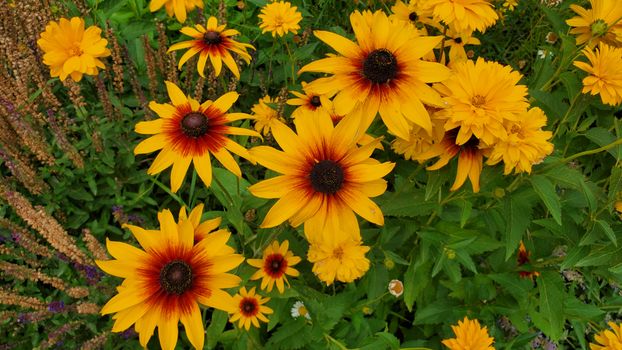
| Black-eyed Susan (Rudbeckia hirta) | Perennial | Yellow | Summer-fall | Bees, Butterflies | North America |
| Catmint (Nepeta spp.) | Perennial | Blue, Purple | Late spring-summer | Bees | Temperate |
| Cosmos (Cosmos bipinnatus) | Annual | Pink, White, Red | Summer-fall | Bees, Butterflies | Global |
A 2022 study by the Xerces Society found that gardens with at least 10 different flowering species support nearly 50% more pollinators than those with only 2-4 species. When selecting plants, consult local extension offices or native plant societies for regionally adapted recommendations.
Design Principles for a Vibrant Pollinator Garden
Creating an attractive space for bees and butterflies goes beyond just plant selection. Thoughtful design can enhance both the beauty of your garden and its appeal to pollinators.
- $1 Rather than scattering single plants, group each species in drifts of at least three or more. This creates a larger visual target for pollinators and encourages longer foraging visits. - $1 Use taller plants like Joe-Pye weed or sunflowers at the back of beds, with medium-height and low-growing species in front. This layered effect not only adds visual interest, but also provides shelter and different microhabitats. - $1 Butterflies need shallow puddles or damp sand for “puddling,” which provides essential minerals. Bees also benefit from shallow water dishes with landing stones. - $1 Both bees and butterflies are cold-blooded and require sunny spots to warm up. Avoid shading the entire garden; ensure at least 6 hours of direct sunlight in main pollinator areas. - $1 For butterflies, don’t forget to add host plants like parsley and dill (for swallowtails) or violets (for fritillaries). These support caterpillars, which are just as important as adult butterflies.Seasonal Planting Strategies for Maximum Appeal
To maintain a steady stream of bees and butterflies, it’s important to plan for blooms across the entire growing season. Here’s a sample timeline for temperate regions:
- $1 Crocus, lungwort, wild columbine, and native violets are among the first to bloom, drawing in early foragers. - $1 Catmint, lavender, and salvia come into their own, attracting a wide range of bees and butterflies. - $1 Milkweed, bee balm, and coneflowers provide midseason sustenance. - $1 Goldenrod, aster, and sedum support pollinators as they prepare for migration or winter.A garden with continuous bloom not only supports pollinators but also ensures your garden remains colorful and vibrant for months.
Common Pitfalls to Avoid in Bee and Butterfly Gardens
Even well-intentioned gardeners can make mistakes that lessen a garden’s appeal to pollinators. Here are some pitfalls to avoid:
- $1 While showy, double-flowered varieties often lack nectar and pollen, making them useless to pollinators. - $1 Some popular ornamentals, like butterfly bush (Buddleja davidii), can become invasive and disrupt local ecosystems. Opt for non-invasive natives instead. - $1 Planting large swathes of a single species can limit the diversity of visiting pollinators. Aim for at least 8-10 different flowering species. - $1 Chemical residues can harm pollinators. Instead, focus on building healthy soil with compost and using organic pest control methods. - $1 Deadheading spent blooms and removing diseased plants keeps the garden healthy and prolongs the bloom period.Bringing It All Together: Creating a Pollinator Paradise
Designing a garden for bees and butterflies is a rewarding endeavor that combines artistry, science, and environmental stewardship. By focusing on native, nectar-rich plants, providing continuous bloom, and using thoughtful design principles, you can create a landscape that dazzles the eye and sustains vital pollinator populations.
Recent research from the University of Bristol found that urban gardens can support up to 10 times as many pollinators per unit area as nearby farmland when managed with pollinators in mind. This means that your backyard, balcony, or community plot can become a crucial part of global pollinator conservation.
Whether you’re a seasoned gardener or just starting out, remember: every flower counts. By making intentional plant choices and fostering a pollinator-friendly environment, you contribute to a healthier ecosystem, a more vibrant garden, and a brighter future for bees, butterflies, and all of us.