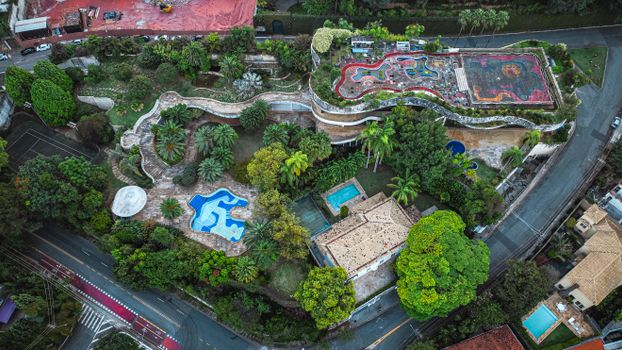
As urban centers expand and available land for gardening shrinks, more people are looking up for innovative solutions. Enter green roofs: living plant ecosystems created atop buildings, offering a lush escape from the concrete jungle while delivering real environmental benefits. Green roofs, also known as rooftop gardens or living roofs, are not just a trend for eco-conscious architects—they’re a practical, space-saving answer for homeowners, businesses, and city planners seeking to enhance ecology and quality of life.
In this comprehensive guide, we’ll explore the world of green roofs, from their environmental impact to practical steps for creating your own rooftop garden. Whether you’re an urban dweller dreaming of a patch of green, or a property manager interested in sustainability, this article will help you understand the possibilities, challenges, and rewards of building upwards.
The Rise of Green Roofs: Why Rooftop Gardens Matter
Green roofs are taking cities by storm, and it’s no surprise why. According to the 2023 Green Roof Industry Survey by Green Roofs for Healthy Cities, the North American green roof market grew by a robust 12% in 2022, with over 7 million square feet of green roofs installed in major cities like Chicago, Toronto, and New York.
But what’s behind this surge in popularity? The answer lies in a unique combination of space-saving design and a powerful ecological punch:
- $1 Green roofs can lower rooftop temperatures by up to 40°C, according to a study by the EPA, helping to combat the urban heat island effect. - $1 Rooftop gardens provide habitats for pollinators and birds, increasing urban biodiversity. - $1 A typical green roof can absorb 50-80% of rainfall, easing city drainage systems and reducing flood risks. - $1 Green roofs insulate buildings, reducing air conditioning needs by up to 25% in summer and slashing heating costs in winter. - $1 Plants filter air pollutants, contributing to cleaner city air.For cities facing climate change and limited green space, green roofs offer a sustainable solution that doesn't require expanding outward.
Types of Green Roof Systems: Extensive, Intensive, and Semi-Intensive
Not all green roofs are created equal. The design and maintenance of a rooftop garden depend on the type of green roof system you choose. Here’s a breakdown of the three main categories:
| Type | Soil Depth | Weight Load | Plant Types | Maintenance | Typical Uses |
|---|---|---|---|---|---|
| Extensive | 5-15 cm (2-6 in) | 60-150 kg/m² | Sedum, mosses, grasses | Low | Residential, retrofits |
| Intensive | 15-60 cm (6-24 in) | 180-500 kg/m² | Perennials, shrubs, small trees | High | Gardens, recreation, commercial |
| Semi-Intensive | 10-25 cm (4-10 in) | 120-300 kg/m² | Grasses, herbs, flowers | Moderate | Mixed-use, public spaces |
Choosing the right system depends on your building’s structural capacity, your budget, and your vision for the space.
Planning and Preparation: Key Steps for a Successful Green Roof
Creating a rooftop garden isn’t as simple as laying down a few pots. Proper planning ensures your green roof is safe, sustainable, and effective. Here are the essential steps:
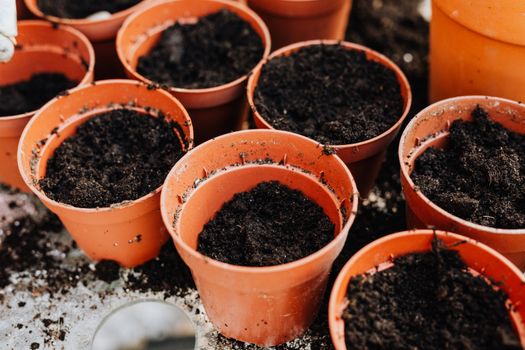
1. $1 Consult a structural engineer to determine your roof’s load-bearing capacity. An average extensive green roof adds 60-150 kg/m², while intensive types can exceed 500 kg/m² when fully saturated. 2. $1 A critical layer to prevent leaks and root intrusion. Modern green roof membranes are made of durable materials like EPDM or PVC. 3. $1 Ensures excess water flows safely off the roof, protecting both plants and building. 4. $1 Keeps fine soil particles from clogging the drainage system. 5. $1 Specialized lightweight soil mixes provide nutrients while minimizing weight. Avoid regular garden soil, which is too heavy when wet. 6. $1 While extensive roofs often rely on rainfall, intensive systems and hot climates may need automated drip irrigation. 7. $1 Choose species adapted to rooftop conditions—wind, sun, and drought tolerance are key.Get permits if required by local regulations, and consider consulting with green roof professionals for large or complex projects.
Best Plants for Rooftop Gardens: Adapting to the Sky
Not all plants thrive on rooftops. The unique microclimate—strong winds, intense sun, rapid temperature shifts—requires careful selection. Here are top choices for different green roof systems:
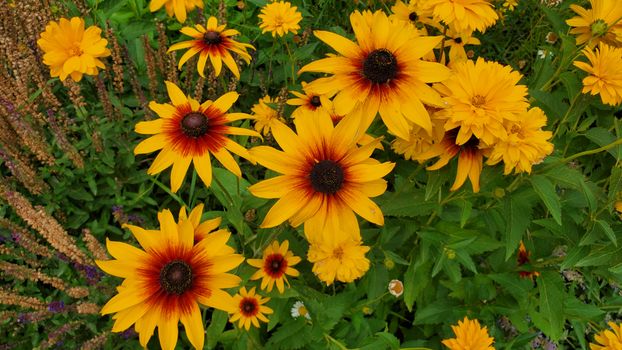
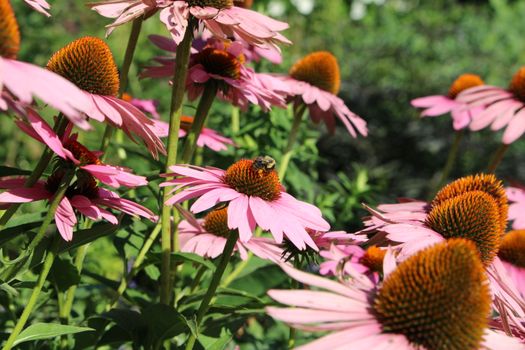
- $1 The star of extensive green roofs, sedums are succulent groundcovers that store water in their leaves. Over 400 varieties exist, offering different colors and textures. - $1 Species like Festuca (fescue) and Carex (sedge) are tough, attractive, and habitat-friendly. - $1 In semi-intensive and intensive gardens, herbs like thyme, oregano, and chives thrive and are useful for cooking. - $1 Drought-tolerant varieties, such as echinacea and black-eyed Susan, attract pollinators and add color. - $1 Suitable for intensive roofs, species like dwarf juniper, serviceberry, or Japanese maple create shade and structure.For biodiversity and resilience, aim for a mix of species. Research local native plants—they’re often best adapted to rooftop conditions and benefit local wildlife.
Ecological and Economic Benefits: Saving Space, Money, and the Planet
Green roofs offer more than just aesthetic value. Here’s a closer look at their measurable advantages:
- $1 A 100 m² green roof can retain 60,000-80,000 liters of rainwater annually, easing pressure on city sewers and reducing flood risk. - $1 The City of Toronto reported that green roofs reduced building energy demand by up to 6% annually, translating to significant savings. - $1 The waterproofing membrane of a green roof can last twice as long as a conventional roof—up to 40 years—due to protection from UV rays and temperature extremes. - $1 In Berlin, over 17 species of wild bees were recorded on green roofs in a single year, highlighting their potential as urban habitats. - $1 According to a 2021 study by the University of Michigan, green roofs can increase property value by 5-15%, thanks to energy savings and visual appeal.These benefits make green roofs an investment that pays back in both environmental and financial terms.
Overcoming Challenges: Maintenance, Costs, and Common Pitfalls
While green roofs offer many rewards, they also come with challenges:
- $1 Installation can range from $150-$400 per square meter, depending on system type and complexity. However, maintenance costs are typically lower than conventional roofs. - $1 Extensive roofs need only annual weeding and inspection, but intensive systems require regular gardening—pruning, fertilizing, and pest management. - $1 Not all roofs can support a green roof without reinforcement. Always check with a professional before starting. - $1 Safe and easy access is crucial for maintenance. Incorporate walkways or modular planters for intensive gardens. - $1 Wind and sun exposure can stress plants. Mulching, irrigation, and windbreaks help, but some trial and error is inevitable.Despite these hurdles, modern green roof technology and a growing network of experts make successful rooftop gardens more achievable than ever.
Green Roofs for the Future: Space Saving and Ecological Gains
As urbanization accelerates and the need for sustainability grows, green roofs represent a brilliant synergy of nature and design. They reclaim underused space, foster biodiversity, and offer practical solutions to climate challenges. From modest sedum carpets to lush rooftop parks, the possibilities are endless for individuals, communities, and cities ready to think vertically.
Whether you’re transforming a private home or advocating for greener urban policy, installing a green roof is a bold statement: that ecology and modern living can, quite literally, rise together.