Selecting the Ideal Substrate for Plant Growth in Czech Gardens: What You Need to Know
Gardening in the Czech Republic is a rewarding endeavor, but anyone who has tried to grow lush vegetables, vibrant flowers, or resilient houseplants knows that success starts well below the surface. The substrate — the material in which plants root — is not just “dirt.” It’s a carefully balanced medium that can make or break your gardening efforts. With the Czech climate’s distinctive mix of cold winters, warm summers, and variable rainfall, choosing the right substrate for your plants is essential for strong growth and impressive yields.
Understanding the unique conditions in Czech gardens — from the slightly acidic soils of the Šumava to the clay-rich earth near Brno — helps gardeners make informed decisions. Whether you’re growing tomatoes on a balcony in Prague, cultivating roses in Moravia, or nurturing indoor ferns, the substrate you choose must support plant health, resist disease, and adapt to local weather extremes.
This comprehensive guide will walk you through the critical factors for choosing a quality substrate for plant growth in Czech conditions. We’ll examine the science behind substrates, analyze local soil characteristics, compare popular substrate types, and provide practical tips for both outdoor and container gardening. Let’s dig in!
The Science of Substrate: What Plants Really Need
The substrate is more than just a base for roots; it’s a living environment that provides water, nutrients, air, and stability. In Czech conditions, where temperature and moisture can fluctuate widely, the right substrate can buffer these changes and help plants thrive.
Key Substrate Functions: - $1 Plants need moisture, but too much water causes root rot. The best substrates hold enough water for roots while draining excess away. - $1 Roots need oxygen. Compacted or clay-heavy soils restrict airflow, which can suffocate plants. - $1 Substrates should provide or support the addition of essential minerals — nitrogen (N), phosphorus (P), and potassium (K) — plus trace elements. - $1 Most garden plants prefer a slightly acidic to neutral pH (6–7). Czech soils can range from acidic in the mountains to alkaline in limestone areas.A study by the Czech University of Life Sciences found that optimizing substrate composition can boost vegetable yields by up to 35% compared to standard garden soil. For home gardeners, that means more tomatoes, better flowers, and healthier plants year after year.
Understanding Czech Soil Profiles and Microclimates
Before choosing a substrate, it’s important to know what you’re working with. The Czech Republic’s geology and climate create diverse soil types, each with its own gardening challenges.
Major Czech Soil Types: - $1 Common in central regions, moderately fertile, often slightly acidic. - $1 Found in uplands, well-aerated but can be stony or shallow. - $1 Very fertile, found in southern Moravia, ideal for crops. - $1 In mountain regions, low fertility, high acidity. - $1 In areas like Brno and Ostrava, heavy and compact, poor drainage.The Czech Hydrometeorological Institute reports that average annual rainfall is about 693 mm, but local variations are significant — from under 500 mm in rain-shadowed valleys to over 1500 mm in mountain zones. This means that the same substrate may perform differently depending on your garden’s microclimate.
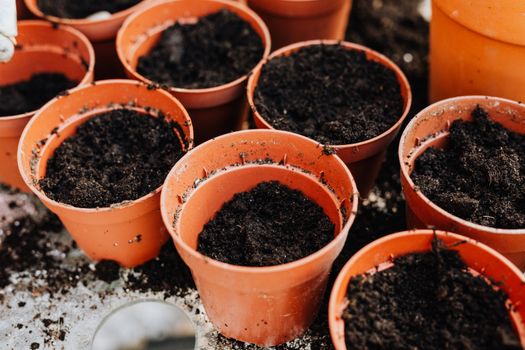
For container gardening, you can bypass native soil issues entirely by using commercial mixes. However, for in-ground beds, amending existing soil with the right substrate is crucial.
Comparing Popular Substrates for Czech Gardens
The choice of substrate depends on your plants’ needs and local conditions. Here’s a comparison of common options used by Czech gardeners:
| Substrate Type | Main Components | Best For | Advantages | Drawbacks |
|---|---|---|---|---|
| Composted Garden Soil | Decomposed plant material, native soil | Vegetables, perennials | Rich in nutrients, improves soil structure | May harbor pests/weeds |
| Peat-Based Mixes | Peat moss, perlite, vermiculite | Seedlings, acid-loving plants | Excellent moisture retention, sterile | Unsustainable, can become compacted |
| Coconut Coir | Fibers from coconut husk | Container plants, indoor gardening | Sustainable, good aeration, pH-neutral | Lower nutrient content, needs fertilization |
| Compost-Enriched Mix | Garden soil, compost, sand | Raised beds, vegetables | High fertility, improves poor soils | Variable quality, risk of over-fertilization |
| Clay-Amended Soil | Native clay, sand, organic matter | Moisture-loving plants | Retains water, good for dry climates | Poor drainage, compaction risk |
In the Czech Republic, peat-based mixes are widely available in garden centers, but there’s a growing trend toward coconut coir and compost-based options due to environmental concerns. Always check the ingredients and certifications (such as “Bez rašeliny” — peat-free) to ensure sustainability.
Customizing Substrate for Specific Plant Needs
Different plants have different substrate requirements. Here’s how to tailor your substrate selection for popular types of gardening in Czech conditions:
- $1 Most vegetables prefer loose, fertile, well-drained soil. Mix compost (at least 30% by volume) into native soil, and add coarse sand if drainage is poor. For raised beds, a 1:1 mix of compost and garden soil works well. - $1 Use a substrate rich in peat moss or pine bark, or acidify garden soil with elemental sulfur to achieve pH 4.5–5.5. - $1 Opt for light, sterile commercial mixes with perlite or vermiculite for aeration. Coco coir is excellent for indoor plants due to its resistance to compaction and neutral pH. - $1 Many annuals thrive in a balanced substrate of garden soil, compost, and a small amount of sand for drainage.Practical Example: A grower in Plzeň found that mixing 40% compost, 40% loamy garden soil, and 20% sand boosted tomato yields by 25% compared to using native soil alone.
How to Assess and Improve Your Garden Soil
Before amending or replacing your substrate, test your existing soil. Here’s how:
1. $1 Moisten a handful of soil and squeeze. If it forms a sticky ball, it’s clay; if it crumbles, it’s loam; if it barely holds together, it’s sandy. 2. $1 Home kits are available from Czech hobby shops. Most vegetables prefer pH 6.0–7.0. 3. $1 Dig a 30 cm-deep hole, fill with water, and time how long it drains. More than 2 hours indicates poor drainage. Improvement Tips: - For clay soils, add coarse sand, compost, or leaf mold. - For sandy soils, increase water retention with compost or coconut coir. - For acidic soils, add garden lime; for alkaline soils, add peat or sulfur.According to a 2022 survey by Český zahradnický svaz, 62% of Czech gardeners amend their soil annually, mainly to improve structure and fertility. Regular amendments can transform even challenging soils into productive beds.
Buying or Mixing Your Own Substrate: What to Watch For
When choosing pre-mixed substrates, quality varies widely. Here’s what to look for:
- $1 Look for quality marks like “Substrát pro pěstování zeleniny” (vegetable-growing substrate) or Ecolabels for sustainable sourcing. - $1 Avoid mixes with excessive peat or unknown fillers. Prefer those with compost, bark, perlite, or coconut coir. - $1 The substrate should be loose, crumbly, and free of large sticks or debris. If you mix your own substrate, use the following general recipe for Czech conditions: - 40% compost (mature, well-rotted) - 40% garden loam - 15% coarse sand or perlite - 5% coconut coir or leaf moldMix thoroughly and let the blend rest for a week before planting to allow microbial activity to stabilize.
Final Thoughts on Choosing Quality Substrate for Czech Gardens
Choosing the right substrate is both a science and an art, especially in the varied conditions of the Czech Republic. By understanding your local soil, selecting the right ingredients, and tailoring your mix to your plants’ needs, you set the stage for thriving gardens and bountiful harvests. Remember: a healthy substrate is a living ecosystem. Feed it with compost, avoid compaction, and monitor pH and drainage regularly.
With careful attention and a willingness to experiment, Czech gardeners can overcome even the most challenging soils. Your plants — and your table — will thank you.