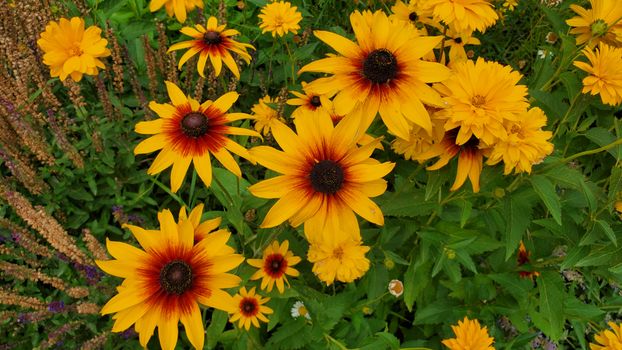
If you love the idea of a garden that bursts with color from early spring to late winter, perennials are your secret weapon. Unlike annuals, which require replanting every year, perennials return reliably season after season. But how can you select the right perennials for your space, and what’s the best way to care for them to ensure a vibrant display all year round? With the right choices and smart care strategies, your garden can be a palette of shifting hues and textures every month. Let’s explore how to choose and care for perennials for non-stop color, including smart combinations, seasonal planning, and expert maintenance tips.
The Appeal of Perennials: Year-Round Color Explained
Perennials are the backbone of many beautiful gardens, offering a dependable foundation for color, structure, and biodiversity. A single planting can last 3 to 20 years or more, with some species such as peonies thriving for over 50 years in the same spot. According to the Royal Horticultural Society, perennials account for roughly 60% of flowering plant species in temperate climates, highlighting their adaptability and popularity.
What sets perennials apart is their lifecycle: while their above-ground parts often die back in winter, their roots survive underground, ready to re-emerge with vigor as soon as conditions warm. This trait allows gardeners to create dynamic, evolving displays with less annual effort than planting new beds each season.
For year-round color, the key is thoughtful selection and arrangement. By combining perennials with staggered bloom times, varied foliage, and winter interest, you can ensure there’s always something catching the eye, even during the colder months.
Choosing Perennials: Factors for Endless Garden Color
Selecting perennials for constant color isn’t just about picking your favorites. Consider these crucial factors:
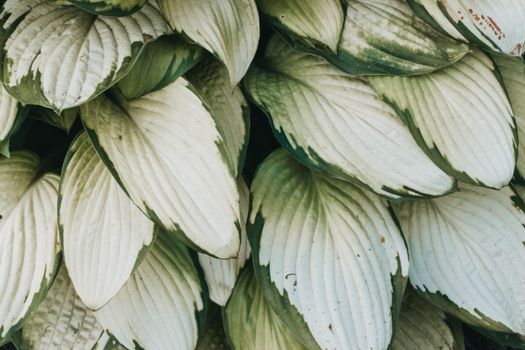
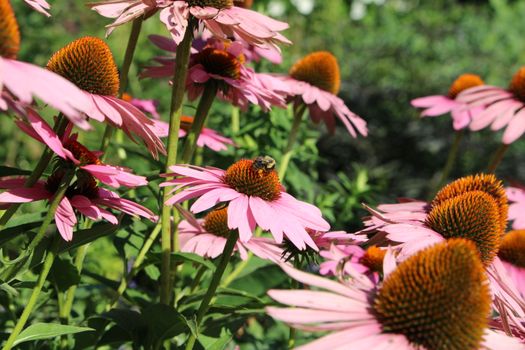
1. $1: Aim for perennials that flower at different periods. For example, hellebores and snowdrops bloom in late winter, while daylilies and coneflowers shine in summer, and asters and Japanese anemones offer fall color. 2. $1: Some perennials, like heucheras (coral bells) and hostas, provide colorful leaves throughout the growing season, filling gaps between blooms. 3. $1: Species such as bergenia and certain ferns retain their leaves in winter, providing structure and green color when most plants are dormant. 4. $1: Know your USDA hardiness zone, as well as the soil type, moisture, and sunlight in your garden. For instance, lavender thrives in full sun and well-drained soil, while astilbe prefers moist, partial shade. 5. $1: Stagger heights for layered visual interest and to prevent overcrowding, which can reduce flowering and increase disease risk.Here’s a comparative table of popular perennials for different seasons and conditions:
| Perennial | Bloom Season | Height (cm) | Sun/Shade | Foliage Interest |
|---|---|---|---|---|
| Hellebore | Late winter-spring | 30-45 | Shade/part sun | Evergreen |
| Daylily (Hemerocallis) | Summer | 60-90 | Full sun/part shade | Medium |
| Japanese Anemone | Late summer-fall | 80-120 | Part sun | Low |
| Bergenia | Spring | 30-45 | Sun/part shade | Evergreen |
| Aster | Autumn | 40-80 | Full sun | Low |
| Coral Bells (Heuchera) | Summer | 20-40 | Shade/part sun | High |
By mixing perennials from different categories, you can build a resilient tapestry of color and texture.
Designing with Perennials for Four-Season Impact
A well-planned perennial border or bed is about more than just flowers. To ensure visual interest every month, consider these design strategies:
- $1: Place taller perennials like delphiniums or Joe Pye weed at the back, mid-sized plants in the middle, and ground-huggers like creeping phlox up front. - $1: Overlap bloom times by grouping early, mid, and late-season perennials together. For instance, combine tulips (spring bulbs) with summer-blooming salvia and fall-blooming sedum. - $1: Mix leaf shapes and textures—pair feathery ferns with bold hostas or spiky iris with soft lamb’s ears. - $1: Use plants with striking seed heads (e.g., echinacea or ornamental grasses) to add winter interest, or evergreens for reliable structure.A practical example: The famous Piet Oudolf perennial gardens at New York’s High Line showcase how mixing grasses, seed heads, and staggered blooms can produce a landscape with beauty in every season. In home gardens, similar results can be achieved on a smaller scale.
Essential Care for Healthy, Colorful Perennials
Perennials are often celebrated for being low-maintenance, but regular care is essential for peak performance and color. Here are expert tips for each season:
- $1: Cut back dead stems and old foliage before new growth emerges. Divide crowded clumps like irises or daylilies every 3-4 years to rejuvenate blooms. - $1: Water deeply during dry spells; most perennials need about 2.5 cm (1 inch) of water per week. Deadhead spent flowers to encourage further blooming in repeat-flowering species. - $1: Leave some seed heads for wildlife and winter interest. Mulch with compost or shredded leaves to protect roots and enrich soil. - $1: Avoid cutting back everything; many perennials benefit from having their stems left until spring, which protects crowns and offers food and shelter for pollinators.Fertilize perennials with a balanced, slow-release fertilizer in spring, but avoid overfeeding, which can encourage lush foliage at the expense of flowers. According to a 2022 study by the American Society for Horticultural Science, perennials like coneflowers and coreopsis produced 30% more blooms when given a spring mulch of compost compared to synthetic fertilizers alone.
Combining Perennials with Other Plants for Maximum Color
While perennials provide the backbone, combining them with annuals, bulbs, and shrubs can fill in seasonal gaps and further extend your garden’s color. Here’s how:
- $1: Plant tulips, daffodils, and crocuses among perennials for early color before most perennials emerge. - $1: Use annuals like cosmos or zinnias in spaces where perennials have finished blooming, or to add a pop of color in summer. - $1: Include flowering shrubs like hydrangeas or evergreen boxwood for reliable structure and color in winter.Interplanting also helps reduce pest and disease pressure, as diverse plantings are less likely to suffer from the same issues. For example, marigolds can deter nematodes and aphids when grown near susceptible perennials.
Common Mistakes to Avoid With Perennials
Even seasoned gardeners can stumble when working with perennials. Avoid these common pitfalls:
- $1: Planting all early-blooming or all late-blooming perennials leads to long colorless stretches. - $1: Too many plants compete for resources, leading to weak growth and fewer flowers. - $1: Young plants need consistent moisture to establish. - $1: Most perennials thrive in loose, fertile soil. Amend heavy clay or sandy soils with organic matter before planting. - $1: Removing foliage in autumn can expose crowns to frost and rob wildlife of food and shelter.By staying mindful of these issues, you can ensure your perennial garden thrives for years to come.
Bringing it All Together: Year-Round Color with Perennials
Creating a perennial garden that dazzles twelve months a year takes planning, observation, and a touch of creativity. By selecting perennials with staggered bloom times, mixing in foliage and evergreen interest, and caring for your plants through every season, you can enjoy a vibrant, ever-changing landscape with less effort than replanting annuals. Remember to refresh your garden design every few years by evaluating which plants performed well, where gaps appear, and how your needs may have changed.
Perennials, with their resilience and beauty, can transform even a small garden into a living tapestry. With thoughtful choices and attentive care, your outdoor space will overflow with color year after year.