For many gardeners, shady corners and dimly lit patches are the most challenging parts of their landscape. Yet these overlooked spaces possess enormous potential to become lush, enchanting retreats if you select the right plants. By understanding the unique conditions of shade and choosing plants that thrive without direct sunlight, you can transform even the darkest corners into vibrant, living features. In this guide, we’ll reveal the best plants for shady gardens, explain how to assess your garden’s shade, and offer creative ways to make the most of these cool, tranquil areas.
The Science of Shade: Understanding Your Garden’s Light Levels
Before you start planting, it’s essential to assess the kind of shade present in your garden. Not all shade is created equal, and plants’ tolerance can vary widely. Shade is typically classified into three categories:
- Light shade: Areas that receive filtered sunlight for part of the day, such as beneath a high canopy of deciduous trees. - Partial shade: Spots that get 3-6 hours of morning or late afternoon sun, but are shaded during midday. - Full shade: Locations that receive less than 3 hours of direct sunlight per day, or none at all.According to a study by the Royal Horticultural Society, about 20% of urban gardens in Europe are classified as predominantly shady, mainly due to buildings, fences, and mature trees. Recognizing the type of shade in your garden will help you select plants that are most likely to thrive.
To determine your light levels, observe your garden at different times of the day and throughout the seasons. Take note of which areas receive morning sun, which are shaded all day, and where dappled light falls. This simple observation can make the difference between struggling plants and a thriving shade oasis.
Top Plant Choices for Shady Gardens: Beyond Hostas and Ferns
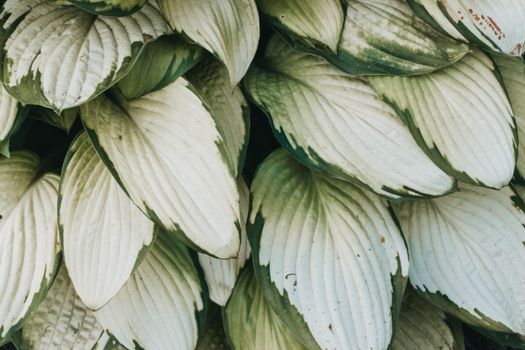
While hostas and ferns are classic shade-lovers, a diverse selection of plants can flourish in low-light conditions. Here are some top-performing choices for different types of shade:
1. $1 With feathery plumes in pink, white, or red, astilbes add striking color and texture to moist, shady spots. They can reach up to 80 cm in height and bloom in early to mid-summer. 2. $1 This ornamental grass forms elegant, arching mounds and thrives in partial to full shade. The variety ‘Aureola’ is especially popular for its golden variegated leaves. 3. $1 Lungwort boasts spotted foliage and delicate blue or pink flowers in early spring. It is highly tolerant of deep shade and adapts well to woodland gardens. 4. $1 With its frothy white blooms and attractive foliage, foamflower is perfect for ground cover in shaded areas. It’s native to North American woodlands and thrives in moist, organic-rich soil. 5. $1 Known for their vibrant foliage in shades ranging from burgundy to lime, heucheras add year-round interest and perform well in partial shade. 6. $1 Famous for its heart-shaped pink or white flowers, this perennial thrives in cool, moist shade and blooms from late spring to early summer. 7. $1 With graceful arching stems and dangling white flowers, Solomon’s seal is a classic for shady borders and naturalized settings.These options provide a spectrum of color, texture, and height, making it easy to design a dynamic, layered shady garden.
Comparing Shade-Loving Plants: At-a-Glance Guide
For a quick overview, here’s a comparison table of some of the best plants for shady gardens, including their ideal shade type, height, and key features:
| Plant Name | Best Shade Type | Height (cm) | Bloom Time | Special Features |
|---|---|---|---|---|
| Astilbe | Partial to Full | 45-80 | Early-Mid Summer | Colorful, plume-like flowers |
| Japanese Forest Grass | Partial to Full | 30-40 | Summer | Golden foliage, soft texture |
| Lungwort | Full | 20-35 | Spring | Spotted leaves, early blooms |
| Foamflower | Partial to Full | 20-30 | Spring | Ground cover, white flowers |
| Heuchera | Partial | 20-45 | Late Spring-Summer | Colorful foliage, drought-tolerant |
| Bleeding Heart | Partial to Full | 60-90 | Late Spring-Early Summer | Heart-shaped flowers |
| Solomon’s Seal | Full | 45-90 | Spring | Arching stems, scented flowers |
This table can help you quickly match plants to your garden’s shade conditions and design goals.
Creative Design Ideas for Shady Corners
Once you’ve chosen suitable plants, it's time to think creatively about how to arrange and showcase them. Here are some innovative ideas for utilizing shady garden spaces:
- $1 Combine plants of varying heights and textures. For example, plant tall Solomon’s seal at the back, medium-height astilbes and heucheras in the middle, and low-growing foamflower or lungwort at the front. Layering creates visual depth and mimics the look of a woodland floor. - $1 Shady spots are often cool and tranquil, making them ideal for winding paths or secluded seating areas. Use shade-tolerant ground covers along paths and tuck a bench beneath tree canopies for a peaceful retreat. - $1 Play with leaf shapes and colors. Pair the golden hues of Japanese forest grass with the dark burgundy of coral bells for striking contrast. - $1 Shaded corners stay cool, reducing evaporation. Small fountains or birdbaths can become focal points, encouraging wildlife and enhancing the calming atmosphere. - $1 Sculptures, stepping stones, or subtle solar lighting can highlight shady areas and add year-round interest, even when plants are dormant.With thoughtful design, even the darkest corners can become the most enchanting parts of your garden.
Practical Care Tips for Shade-Loving Plants
Growing plants in shade requires some special care. Here are practical tips to help your shade garden thrive:
- $1 Shaded areas can have dry, root-filled, or compacted soil. Amend with organic matter, such as compost or leaf mold, to improve water retention and fertility. - $1 While shady spots evaporate less water, large trees can outcompete plants for moisture. Monitor soil moisture regularly and water deeply during dry spells. - $1 Apply a 5-7 cm layer of mulch to help retain moisture, suppress weeds, and regulate soil temperature. Organic mulches like bark chips or shredded leaves work well. - $1 Shade-loving plants often benefit from a spring application of slow-release fertilizer or a top dressing of compost. Avoid over-fertilizing, which can encourage leggy growth. - $1 Slugs and snails are common in damp, shady gardens. Use barriers, traps, or organic pellets to protect vulnerable plants. - $1 Thin out overhanging tree branches if possible to increase light penetration. Regularly remove dead or damaged leaves to maintain plant health.According to the American Society for Horticultural Science, proper soil amendment and mulching can increase plant survival rates in shade by up to 35%, making these steps vital for success.
Unusual and Underused Plants for Deep Shade
For gardeners seeking something truly unique, several less-common plants excel in the deepest shade:
- $1 This evergreen shrub boasts glossy leaves and incredibly fragrant winter flowers. It’s perfect for shaded entryways and can tolerate dry shade once established. - $1 With dainty, orchid-like flowers and heart-shaped leaves, epimedium is highly adaptable and deer-resistant. It’s renowned for thriving beneath mature trees. - $1 This low ground cover has glossy, kidney-shaped leaves and is excellent for carpeting the darkest spots. - $1 Native to North American forests, trilliums produce elegant three-petaled flowers in spring and are a sign of a healthy woodland garden. - $1 Also known as the Lenten rose, hellebores bloom in late winter or early spring and can tolerate deep shade and dry conditions.Including these unusual options in your garden not only adds biodiversity but also creates conversation pieces that set your landscape apart.
Final Thoughts on Making the Most of Shady Garden Corners
Shady areas need not be problem spots in your garden. With careful observation, the right plant selection, and creative design, you can turn even the most challenging dark corners into lush, inviting spaces. Shade gardens often require less maintenance and water than sunny beds and can provide a cool, peaceful retreat during the heat of summer.
Remember: there is no one-size-fits-all solution. Experiment with different plant combinations, textures, and colors to discover what works best in your unique garden. Over time, these spaces can become some of the most rewarding parts of your landscape, teeming with life and beauty—even in the shadows.