Growing Vegetables in Containers: How to Do It in Small Spaces
Finding ways to grow your own fresh vegetables can be daunting if you live in an apartment, have a small balcony, or your yard is mostly paved. But you don’t need a large garden to enjoy the satisfaction and flavor of homegrown produce. With container gardening, you can transform even the smallest area—windowsill, patio, or rooftop—into a productive mini-vegetable patch. Container gardening is not just about saving space; it’s a flexible, creative, and highly efficient way to grow healthy food at your fingertips.
Recent studies show that nearly 37% of urban gardeners use containers as their primary method for growing edible plants, and for good reason. Container gardening offers solutions to space constraints, poor soil, and mobility issues. This guide will help you understand the essentials of growing vegetables in containers, from choosing the right pots and soils to maximizing yields and troubleshooting challenges unique to small spaces.
Selecting the Best Vegetables for Container Success
Not every vegetable thrives in a pot, but many popular and nutritious varieties are well-suited to container life. When selecting what to grow, consider plant size, root depth, and sunlight requirements. Leafy greens, herbs, and compact fruiting plants are top picks for container gardens.
Some of the easiest and most productive vegetables for containers include:
- Lettuce, spinach, and kale: These shallow-rooted greens do well in window boxes and small pots. - Cherry tomatoes and bush tomatoes: ‘Tiny Tim’ and ‘Balcony’ varieties are bred for compact spaces. - Peppers and chilies: Many hot and sweet pepper plants remain relatively small and productive. - Radishes and baby carrots: Quick-growing and don’t require deep soil. - Herbs such as basil, parsley, and chives: Perfect for window sills or clustered pots.A study by the National Gardening Association found that a single 5-gallon container can yield up to 10-12 pounds of tomatoes per season, while a 12-inch pot can supply enough lettuce for salads every week.
To help you choose, here’s a comparison of popular container vegetables:
| Vegetable | Minimum Container Size | Average Yield per Season | Light Requirement |
|---|---|---|---|
| Cherry Tomato | 5 gallons | 10-12 lbs | 6+ hours |
| Lettuce | 6 inches deep | 15-20 heads | 4-6 hours |
| Radish | 6 inches deep | 60-80 radishes | 4+ hours |
| Basil | 8 inches deep | 1-2 cups leaves/week | 6+ hours |
| Bell Pepper | 3 gallons | 8-10 peppers | 6+ hours |
This table can serve as a quick reference when selecting seeds or seedlings for your space.
Choosing Containers: Size, Material, and Drainage
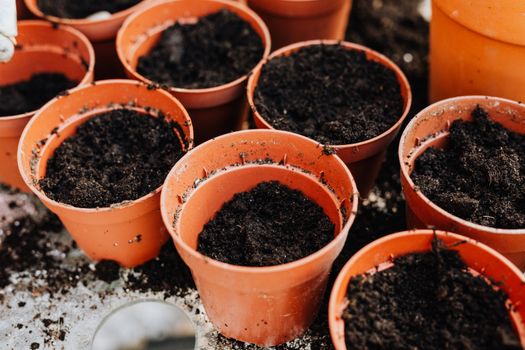
The container you choose can make or break your harvest. Vegetables need enough room for roots to grow and adequate drainage to prevent waterlogged soil. Here’s what to consider:
- $1 Bigger is often better. Small pots dry out quickly and limit root development, reducing yields. As a rule, tomatoes and peppers need at least 5-gallon pots, while herbs and greens can thrive in 8-12 inch-deep containers. - $1 Terracotta pots are attractive but dry out fast. Plastic retains moisture longer and is lightweight—ideal for balconies. Fabric grow bags are increasingly popular for their excellent drainage and portability. - $1 Every container must have drainage holes. Without them, roots can rot within days. If using decorative pots without holes, nest a plastic pot inside or drill your own holes.Fun fact: According to a 2022 survey by the American Horticultural Society, 42% of container gardeners upcycled items like old buckets, crates, and even recycled water barrels as unique planters, adding creativity and sustainability to their gardens.
Soil and Fertilizer: The Foundation for Healthy Container Crops
Unlike in-ground gardens, container vegetables rely entirely on you for their nutrients. Garden soil is too heavy and can harbor pests, so always use high-quality potting mix. Look for a mix specifically formulated for vegetables—these blends retain moisture but drain well and are free of weed seeds and pathogens.
For maximum productivity:
- Fill your containers with at least 10-12 inches of potting mix for most vegetables. - Mix in slow-release organic fertilizer at planting time. Alternatively, supplement with liquid fertilizer every 2-3 weeks. - Consider adding perlite or vermiculite to improve drainage and aeration.A University of California trial found that container-grown tomatoes fed with a balanced fertilizer every two weeks produced 30% more fruit compared to those fertilized only at planting.
Mulching the surface with straw or coconut coir helps retain moisture and keep roots cool. Remember, container soil dries out faster than garden beds, so check daily—most vegetables require watering when the top inch of soil feels dry.
Arranging and Positioning Containers for Maximum Yield
Space is at a premium in small-scale gardening, so smart arrangement is key. Here are strategies to maximize productivity:
- $1 Use trellises or cages for vining crops like tomatoes, peas, and beans. Wall-mounted shelves or vertical planters allow you to stack herbs and greens. - $1 Group pots with similar sunlight and watering needs. This not only saves space but also creates a microclimate, reducing evaporation. - $1 Lightweight or wheeled containers let you chase the sun across patios or balconies. This is vital if your space only gets partial sunlight at different times of day. - $1 Keep your containers productive year-round by replanting fast-growing crops (like radishes or lettuce) as soon as you harvest.For example, compact bush beans can be grown alongside lettuce in a rectangular trough. As the beans grow taller, they’ll provide shade to cool-season lettuce, extending its harvest into warmer months.
Overcoming Common Challenges in Small-Space Container Gardening
Container gardening is rewarding, but it comes with unique challenges—especially in confined urban environments. Here’s how to tackle the most common issues:
- $1 Most vegetables need at least 6 hours of sun daily. If you have less, focus on leafy greens and herbs, which tolerate shade. Reflective surfaces (like white walls or mirrors) can help bounce additional light onto plants. - $1 Balconies and rooftops can be exposed to harsh winds and temperature swings. Group pots together, use windbreaks (like bamboo screens), and water more frequently during heatwaves. - $1 Containers dry out quickly. Consider self-watering pots or set up a simple drip irrigation system. A 2023 market report indicates that sales of self-watering planters have increased by 28% in North America, reflecting their popularity among urban gardeners. - $1 If your containers are indoors or on high balconies, hand-pollinate fruiting vegetables by gently brushing flowers with a small paintbrush, or place containers outside during peak pollinator activity when possible.If pests appear (like aphids or spider mites), a quick spray with diluted soapy water is often all that’s needed. Regularly inspect your plants for signs of disease or stress.
Creative Tips for Maximizing Your Miniature Vegetable Patch
Ready to take your container vegetable garden to the next level? Try these advanced, space-saving strategies:
- $1 Grow compatible plants together in the same container. For instance, plant basil with tomatoes to enhance flavor and deter pests. - $1 Sow seeds at two-week intervals for continuous harvests, especially with greens and radishes. - $1 Choose colorful varieties like rainbow chard or purple basil for visual interest as well as culinary value. - $1 Not just for flowers—try strawberries, cherry tomatoes, or trailing herbs like thyme in hanging containers for vertical interest.If you have access to a sunny window indoors, consider growing microgreens (young vegetable shoots) year-round. Microgreens mature in just 7-21 days and are packed with nutrients—studies show they can contain up to 40 times more vitamins than mature leaves.
Harvesting and Enjoying Homegrown Vegetables from Containers
One of the greatest joys of container gardening is harvesting fresh produce just steps from your kitchen. For best results:
- Pick leafy greens while young and tender—usually 4-6 weeks after sowing. - Harvest tomatoes, peppers, and beans as soon as they ripen to encourage further production. - Snip herbs regularly to keep them bushy and prevent flowering.Many container gardeners report that fresh-picked vegetables last longer and taste better than store-bought. Plus, the act of nurturing plants, even in small spaces, is proven to reduce stress and boost well-being.
Whether you’re a beginner or an experienced gardener looking to make the most of a tiny space, container vegetable gardening offers delicious rewards and year-round satisfaction.