How to Design a Garden for Pollinators: Advanced Strategies for Attracting Bees and Butterflies
Gardens are more than just a feast for the senses—they are crucial ecosystems that support pollinators like bees and butterflies. These small but mighty creatures are responsible for pollinating nearly 75% of flowering plants and about one-third of the food we eat. Yet, many pollinator populations are in decline due to habitat loss, pesticide use, and climate change. Designing a garden specifically to support and attract pollinators is not only a rewarding hobby but also a direct way to make a positive environmental impact.
While many resources cover the basics of planting flowers for pollinators, this guide delves into advanced and often overlooked strategies. We’ll explore how to create diverse habitats, incorporate specialized features, and use planting patterns and materials that maximize your garden’s appeal to bees and butterflies. Whether you have a sprawling backyard or a compact urban plot, these techniques will help you create an ecological haven buzzing with life.
Understanding Pollinators’ Needs: More Than Just Flowers
It’s a common misconception that planting any brightly colored flowers will automatically attract bees and butterflies. In reality, pollinators have complex needs that go beyond nectar. Understanding these requirements is key to designing an effective pollinator-friendly garden.
Pollinators require: - A continuous bloom cycle: Bees and butterflies need food from early spring through late fall. Gaps in blooming periods can leave them without resources. - Shelter and nesting sites: Many native bees nest in bare ground or hollow stems, while butterflies require specific host plants for their larvae. - Water sources: Pollinators need shallow, clean water to drink and cool off. - Safety from chemicals: Pesticides and herbicides can be fatal even in small amounts.A 2022 study by the Xerces Society revealed that gardens designed with these four pillars in mind attracted up to 65% more pollinator species than those focusing solely on flower variety. By considering their full life cycle, your garden becomes a true sanctuary.
Designing Habitat Diversity: Layers, Edges, and Microclimates
Most pollinator gardens focus on flowerbeds, but diversity at every level—vertical and horizontal—greatly increases habitat value. Creating multiple layers and edges mimics the complexity of natural habitats.
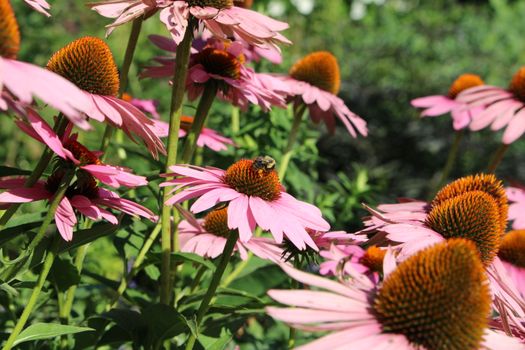
- Vertical layers: Incorporate ground covers, low-growing herbs, mid-height perennials, shrubs, and small trees. For example, a mix of creeping thyme (ground), coneflowers (mid), and serviceberry shrubs (upper) provides forage and shelter for a range of pollinators. - Edge habitats: Pollinators thrive where plant communities meet—such as the border between meadow and forest or garden beds and lawns. Edges promote diversity and provide navigational cues. - Microclimates: Use stones, logs, or water features to create sunny and shaded spots, as well as windbreaks. Butterflies, for example, often bask on warm rocks in the morning.A 2020 survey by the Royal Horticultural Society found that gardens with three or more vertical layers attracted 40% more bee species than single-layer beds. Similarly, adding just one log pile or stone cluster increased butterfly visitation by 22%.
Specialized Features: Nesting Sites and Water Sources
Once you have a diverse plant palette, boost your garden’s attractiveness with features specifically designed for pollinator needs.
- Bee hotels: Solitary bees, which make up over 90% of bee species, lay eggs in hollow tubes or tunnels. Install bee hotels made from bamboo, wood, or paper straws. Place them in a sunny, sheltered spot, at least 1 meter above ground. - Bare soil patches: Around 70% of native bees nest in the ground. Leave small, undisturbed areas of soil free of mulch or turf. - Butterfly host plants: Adult butterflies need nectar, but their larvae (caterpillars) have specialized diets. Include milkweed for monarchs, parsley for swallowtails, and violets for fritillaries. - Puddling stations: Butterflies gather at muddy spots to extract minerals. Create a shallow dish with damp sand and a few flat stones.According to the University of Minnesota Bee Lab, installing bee hotels can increase solitary bee populations by up to 50% in urban gardens. Similarly, gardens with puddling stations observed twice the number of butterfly species compared to those without.
Planting Patterns and Seasonal Planning
Strategic placement and timing of plants are just as important as species selection. Pollinators need a reliable supply of food from the first thaw to the last frost.
- Continuous bloom: Choose a mix of spring, summer, and autumn-flowering plants. For example, crocus and lungwort (early), bee balm and lavender (mid), asters and goldenrod (late). - Mass plantings: Group the same species together in clusters of at least 3-5 plants. Bees and butterflies are more likely to notice and visit larger patches. - Succession planting: Overlap bloom times so that as one species fades, another takes its place. Use online bloom calendars or local extension office guides. - Native vs. ornamental: Native plants are generally more attractive to local pollinators. However, some non-invasive ornamentals can supplement nectar and color diversity.The table below compares popular pollinator plants by bloom time and primary pollinator group:
| Plant Species | Bloom Time | Main Pollinators | Native Status (U.S.) |
|---|---|---|---|
| Crocus | Early Spring | Bees | Non-native |
| Wild Lupine | Spring | Bees, Butterflies | Native |
| Bee Balm (Monarda) | Summer | Bees, Butterflies | Native |
| Lavender | Summer | Bees | Non-native |
| Milkweed (Asclepias) | Summer | Butterflies | Native |
| Goldenrod | Late Summer/Fall | Bees, Butterflies | Native |
| Aster | Fall | Bees, Butterflies | Native |
A study in 2021 by Penn State Extension showed that gardens with continuous bloom cycles supported 30% more pollinator visits and 25% higher pollinator diversity compared to gardens with bloom gaps.
Managing Pesticides and Urban Threats Without Compromising Pollinators
One of the most significant threats to pollinators is the widespread use of pesticides. In fact, research published in Science in 2020 found that neonicotinoid insecticides reduced wild bee populations by up to 40% in affected areas.
To protect your pollinator garden: - Avoid pesticides whenever possible. Hand-pick pests or use barriers like row covers. - If chemical intervention is necessary, choose targeted products and apply them in the evening, when pollinators are less active. - Practice integrated pest management (IPM): Encourage natural predators (like ladybugs), rotate crops, and maintain healthy soil. - Advocate for pollinator-friendly practices in your community, such as reducing lawn chemical use and preserving wildflower patches.Urban environments pose additional challenges—heat islands, light pollution, and habitat fragmentation. Counter these by choosing drought-tolerant, heat-resistant plants, installing night-blooming flowers for moths, and connecting your garden to nearby green spaces if possible.
Monitoring Success: Citizen Science and Adaptive Gardening
To truly support pollinators, it’s important to observe, record, and adapt your garden over time. Citizen science projects and monitoring can help you understand which strategies work best.
- Join programs like the Great Sunflower Project or Bumble Bee Watch to record pollinator sightings. - Keep a garden journal: Note bloom times, plant performance, and which pollinators visit. Adjust plant choices and features accordingly. - Collaborate with neighbors: Larger, connected pollinator habitats have greater ecological impact. Consider organizing a pollinator corridor in your neighborhood.A 2019 citizen science initiative in the UK found that participants who monitored and adjusted their gardens saw a 70% increase in pollinator activity over three years. This adaptive approach ensures your garden remains a dynamic, thriving ecosystem.
Creating a Lasting Impact: The Bigger Picture of Pollinator Gardens
Designing a garden for pollinators is about more than creating a beautiful space—it’s about fostering biodiversity and resilience in your local environment. By incorporating advanced strategies such as habitat diversity, specialized features, thoughtful planting patterns, and sustainable management, you can turn any outdoor space into a vital refuge for bees, butterflies, and other essential creatures.
Every pollinator-friendly garden, no matter the size, contributes to a healthier landscape and a more secure food system. With ongoing observation and community collaboration, your efforts can inspire others and help reverse the decline of these indispensable insects.