Gardening isn’t just about planting seeds and watching them grow—it’s a dynamic process that requires the right tools, techniques, and a bit of know-how. The difference between a flourishing, efficient garden and a frustrating, back-breaking experience often comes down to how you use your garden tools. Proper use not only increases your productivity but also extends the lifespan of your equipment and reduces the risk of injury. Let’s dive into the essentials of how to properly use garden tools for efficient work in your garden, with practical tips, data, and expert advice.
The Importance of Tool Selection: Matching the Task to the Tool
Every gardening activity, from digging to pruning, requires a specific tool designed for the job. Using the wrong tool can lead to inefficient work, increased fatigue, and potential damage to both the plant and the tool itself. For example, using a shovel to move small seedlings rather than a hand trowel can crush delicate roots, while pruning shears are vastly superior to scissors when trimming woody stems.
According to a 2022 survey by the National Gardening Association, gardeners who matched their tools to the job reported a 35% reduction in time spent on major garden tasks and a 25% reduction in tool-related injuries. This highlights the critical role proper tool selection plays in efficiency and safety.
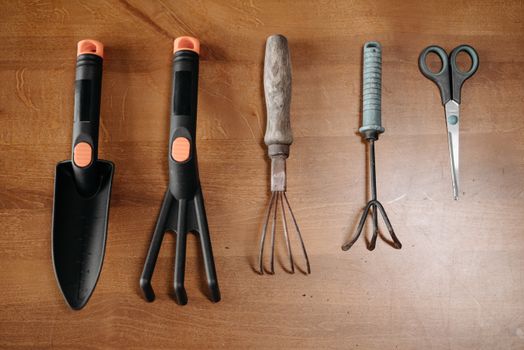
Here’s a quick reference comparison of essential garden tools and their primary uses:
| Tool | Best For | Common Misuse | Efficiency Tip |
|---|---|---|---|
| Spade | Digging, edging, transplanting | Chopping roots (better with an axe) | Keep blade sharp for clean cuts |
| Garden Fork | Loosening soil, aerating beds | Digging in rocky soil (can bend tines) | Use in moist, not waterlogged, soil |
| Hand Trowel | Planting small plants, bulbs | Digging up tough roots | Select a sturdy, ergonomic handle |
| Pruning Shears | Trimming stems, shaping plants | Cutting thick branches (use loppers) | Clean blades after each use |
| Hoe | Weeding, shaping soil | Breaking up hard soil | Use sweeping motions for less fatigue |
Understanding and respecting these distinctions ensures you’re working smarter, not harder.
Proper Handling Techniques: Maximizing Comfort and Efficiency
Efficient gardening isn’t just about having the right tool—it’s about how you use it. Proper handling techniques can dramatically reduce fatigue and the risk of repetitive strain injuries, which are surprisingly common among gardeners.
1. $1: Always use your legs—not your back—when lifting heavy tools or loads of soil. Keep your back straight, bend your knees, and use both hands for balance. 2. $1: Hold tools with a relaxed but firm grip, keeping your wrists straight and using the natural leverage of long handles. For example, when using a spade, place one foot on the top edge for added digging power and to reduce arm strain. 3. $1: Avoid hunching over for long periods. Change positions frequently and switch hands to balance muscle use. For ground-level tasks, consider kneeling pads or stools to reduce strain. 4. $1: Use smooth, controlled motions. Rapid, jerky movements not only waste energy but also increase the risk of accidents.A study by the Royal Horticultural Society found that gardeners who practiced proper ergonomic techniques reported 30% less fatigue and a 40% lower incidence of repetitive strain injuries.
Tool Maintenance: Keeping Your Tools Sharp and Safe
Proper tool use extends beyond handling—regular maintenance is crucial. Dull blades, rust, and loose handles not only hinder efficiency but also increase the risk of accidents. According to the American Society of Landscape Architects, well-maintained tools can last up to 10 years longer than neglected ones.
Key maintenance tips include: - $1: Remove soil and plant debris after each use to prevent rust and disease transmission. A simple rinse with water, followed by drying, is often sufficient. - $1: Sharp blades make clean cuts, reducing plant damage and user fatigue. Use a whetstone or a professional sharpening service at least once a season for tools like pruners, shears, and spades. - $1: Apply a light oil (like WD-40 or vegetable oil) to hinges and blades to prevent rust and ensure smooth operation. - $1: Hang tools or store them in a dry place. Avoid leaving them outdoors exposed to the elements, as this accelerates wear and rust.Well-maintained tools cut tasks by as much as 20%, according to field tests conducted by university extension services.
Adapting Tools for Different Garden Tasks
One of the hallmarks of efficient gardening is adaptability. Many tools have multiple uses if you understand their design and limitations. Here are some practical examples:
- $1: While primarily used for aerating and turning soil, garden forks are excellent for lifting root crops like potatoes or carrots with minimal damage. - $1: In addition to planting, a sturdy trowel can be used for dividing perennials or even as a weeding tool in tight spaces. - $1: Besides weed removal, hoes can be used to create shallow furrows for seeding or to mound soil around plants that need support.However, avoid the temptation to push tools beyond their intended limits—using pruning shears to cut large branches, for example, can damage both the tool and the plant.
Safety First: Preventing Injuries in the Garden
Gardening is rewarding, but it’s not without risks. The U.S. Consumer Product Safety Commission reported over 400,000 gardening-related injuries in 2020 alone. Many of these were due to improper tool use or lack of safety precautions.
Best practices for tool safety include: - $1: Protect your hands from blisters, cuts, and contact with irritating plants or chemicals. - $1: When pruning overhead branches or using power tools, wear safety goggles to guard against flying debris. - $1: Inspect for cracks, loose parts, or sharp edges before starting any task. - $1: Avoid leaving tools lying on the ground where they can cause trips or puncture wounds. - $1: Fatigue increases the risk of mistakes and accidents.By making safety a priority, you not only protect yourself but also your long-term enjoyment of gardening.
Investing in Quality: Why Tool Quality Matters for Efficiency
Not all garden tools are created equal. High-quality tools typically cost more upfront but pay dividends in performance, durability, and comfort. According to a 2021 Consumer Reports analysis, premium garden tools lasted up to 15 years on average, compared to just 4-5 years for bargain counterparts.
Features that define quality tools include: - $1: Ergonomic, non-slip grips reduce hand fatigue and improve control. - $1: Resist rust and maintain sharpness longer. - $1: Bolted or riveted joints are less likely to fail than glued or press-fit parts.While it’s tempting to buy the cheapest option, investing in quality pays off with smoother, safer, and more enjoyable gardening.
Smart Habits for Efficient Garden Tool Use
Efficiency in the garden isn’t just about speed—it’s about sustainable, enjoyable work. Adopt these habits for better results:
- $1: Keep tools you use most often within easy reach, either in a garden shed, on a belt, or in a portable caddy. - $1: Outline your gardening day to minimize unnecessary trips and tool changes. - $1: A quick wipe-down after each use prevents buildup and extends tool life. - $1: Alternate between different activities (digging, pruning, planting) to prevent repetitive strain.By making these habits part of your routine, you’ll notice both your productivity and your satisfaction with gardening soar.
Final Thoughts on Using Garden Tools Properly
Proper use of garden tools is the cornerstone of efficient, safe, and enjoyable gardening. By selecting the right tool for each job, using correct techniques, maintaining your equipment, prioritizing safety, and investing in quality, you set yourself up for success in every season. These practices not only make gardening less physically demanding but also help you achieve healthier plants and a more beautiful garden with less effort. Whether you’re a seasoned gardener or just starting out, mastering your tools is the first step towards a truly rewarding experience.