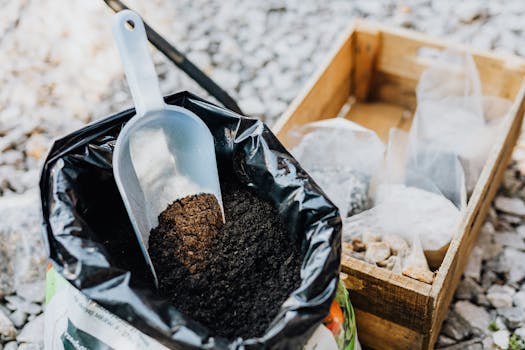
Creating Compost and Harnessing Its Power in Your Garden: A Complete Guide
Every lush, productive garden has a secret ingredient—rich, organic compost. Composting is an age-old practice that transforms everyday kitchen scraps and yard waste into a powerhouse of nutrients for your soil. With 30% of household waste consisting of compostable materials, learning how to create and use compost is both environmentally responsible and highly beneficial for your garden. Whether you’re a beginner or a seasoned green thumb, understanding the science and practical steps of composting can elevate your gardening results while helping the planet.
The Science Behind Compost: How Decomposition Enriches Your Soil
At its core, composting is a controlled decomposition process. Microorganisms—bacteria, fungi, and actinomycetes—break down organic matter into humus, a dark, crumbly substance teeming with nutrients. This process requires four main ingredients: carbon (browns), nitrogen (greens), water, and oxygen.
Carbon materials include dry leaves, straw, cardboard, and wood chips, while nitrogen sources are grass clippings, vegetable peels, coffee grounds, and manure. The optimal carbon-to-nitrogen (C:N) ratio is about 30:1. Too much carbon slows decomposition, while too much nitrogen produces odor.
Composting speeds up the natural decay process using:
- Aeration: Oxygen is vital for aerobic microbes, which decompose material efficiently and without bad smells. - Moisture: Microbes need water to survive, but too much causes rot and anaerobic conditions. - Temperature: Active compost piles can reach 130-160°F (54-71°C), killing weed seeds and pathogens.A properly managed pile can yield rich compost in as little as 2-3 months, compared to over a year for passive piles.
Building Your Compost: Methods, Bins, and Materials
There are several ways to compost, each with its own space, time, and effort requirements. The right method depends on your garden size, available materials, and desired speed of results.
Popular composting methods include:
- Hot (Active) Composting: Fast, requires regular turning and balancing of materials. - Cold (Passive) Composting: Slower, with less effort—just add materials and wait. - Vermicomposting: Uses worms (often red wigglers) to break down food scraps, ideal for small spaces or indoor composting. - Trench Composting: Burying organic matter directly in the garden for gradual decomposition.Choosing a compost bin can also affect convenience and efficiency. Some common options are:
- Open Pile: No structure, just heap materials in a mound. - Enclosed Bin: Contains the pile, retains heat and moisture, deters pests. - Tumblers: Rotating drum for easy turning and faster composting. - Worm Bins: Special containers with bedding for vermicomposting.Here’s a comparison of composting methods:
| Method | Time to Compost | Space Needed | Effort Level | Best For |
|---|---|---|---|---|
| Hot (Active) | 2-3 months | Medium/Large | High (regular turning) | Large gardens, fast results |
| Cold (Passive) | 6-12 months | Small/Medium | Low | Busy gardeners, less effort |
| Vermicomposting | 2-6 months | Very small | Medium | Apartment, indoor use |
| Trench Composting | 3-12 months | Depends | Very Low | Direct soil improvement |
Avoid: Meat, dairy, oils, diseased plants, pet waste, and glossy paper, as these can attract pests or introduce pathogens.
Step-by-Step: Starting and Maintaining Your Compost Pile
1. $1: Place your bin or pile on bare soil for best drainage and access for soil organisms. Partial shade helps retain moisture. 2. $1: Start with a 4-6 inch layer of coarse browns (twigs, straw) for aeration, then alternate 2-4 inch layers of greens and browns. Aim for a 3:1 ratio of browns to greens by volume. 3. $1: Each layer should be dampened to the consistency of a wrung-out sponge. Too dry slows decomposition; too wet leads to anaerobic rot. 4. $1: Once a week (hot composting) or every few weeks (cold composting), mix the pile with a pitchfork or shovel to aerate. This speeds decomposition and prevents odor. 5. $1: Use a compost thermometer if possible. The pile should heat up within a few days. When it cools, turn it again. 6. $1: - Foul odors? Too much green or too wet—add browns and turn. - Slow decomposition? Add more greens or turn to aerate. - Pile not heating? Increase volume, add greens, or insulate with straw. 7. $1: When the pile turns dark, crumbly, and earthy-smelling, and original materials are unrecognizable, it’s ready. This usually takes 2-12 months depending on method and conditions.How to Use Compost in the Garden for Maximum Benefit
Gardeners often call compost “black gold” for good reason. It enriches soil, boosts plant health, and improves yields. Here’s how to make the most of your homemade compost:
- $1: Mix 1-2 inches of compost into garden beds in spring or fall. This improves soil structure, drainage, and water retention. Sandy soils hold moisture better; clay soils become looser and more friable. - $1: Spread a 2-3 inch layer of compost around plants and on bare soil. This suppresses weeds, retains moisture, and gradually feeds the soil as it breaks down. - $1: Blend 20-30% compost with soil or peat-free potting mix for containers. This boosts nutrients and microbial life. - $1: Rake ¼ inch of fine compost over lawns in spring or fall. Studies show this can reduce lawn disease by up to 30% and improve drought resistance. - $1: Steep finished compost in water for 24-48 hours, then strain and use the liquid to water or spray plants. This provides a quick nutrient boost and can help suppress some plant diseases.According to the US Environmental Protection Agency, compost can increase soil carbon by up to 10%, enhancing soil fertility and water retention, especially valuable during droughts.
Common Mistakes in Composting and How to Avoid Them
Even seasoned gardeners can encounter composting pitfalls. Here are some frequent issues and how to sidestep them:
- $1: Compost should feel like a damp sponge. If it’s soggy, add more browns and turn more frequently. If dry, add water and greens. - $1: Rotten smells signal too much nitrogen or poor aeration. Balance with more browns and turn the pile. - $1: Avoid adding meat, dairy, or oily foods, and use enclosed bins with secure lids if wildlife is a problem. - $1: Small piles (under 3x3x3 feet) won’t retain enough heat for quick composting. Increase the size or insulate with straw bales or old carpet. - $1: Never compost pet waste, diseased plants, or treated wood, as these can introduce toxins or pathogens.By understanding and addressing these challenges, gardeners can consistently produce high-quality compost.
Environmental and Economic Benefits of Home Composting
Beyond its garden benefits, composting has significant positive impacts on the environment and your wallet:
- $1: The EPA estimates that food scraps and yard waste make up over 28% of what we throw away. Composting at home diverts this, reducing landfill methane emissions—a potent greenhouse gas. - $1: Compost reduces the need for chemical fertilizers, saving money and protecting waterways from runoff pollution. - $1: Healthy, compost-rich soil supports more earthworms, beneficial insects, and microbes, promoting resilient plant growth. - $1: Making your own compost can save $50-$200 per year on soil amendments and fertilizers, depending on garden size. - $1: Compost increases soil organic matter, helping gardens withstand drought and heavy rain by improving water retention and drainage.According to a 2023 study by the Soil Science Society of America, gardens amended with compost produced up to 20% higher vegetable yields compared to those using only synthetic fertilizers.
Final Thoughts on Creating and Using Compost in the Garden
Composting is more than just a way to recycle kitchen and yard waste—it’s a powerful tool for building a thriving, resilient garden. By understanding the science of decomposition, choosing the right method and materials, and applying finished compost wisely, any gardener can boost soil fertility, cut down on waste, and enjoy healthier plants. The environmental and economic benefits make composting an essential practice for modern sustainable gardening. With a little effort and patience, you’ll discover why gardeners worldwide treasure their homemade “black gold.”