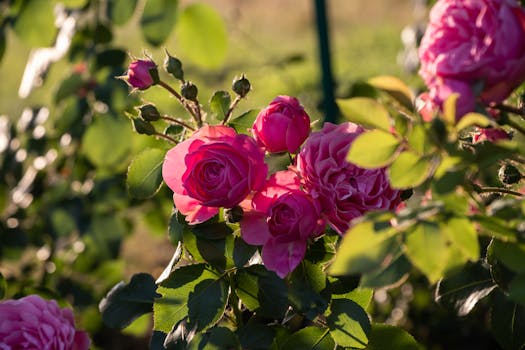
Roses have captivated gardeners and admirers for centuries with their timeless beauty, enchanting fragrance, and remarkable variety. If you’ve dreamed of cultivating a rose garden that offers abundant blooms season after season, you’re not alone—roses are the world’s most popular flower, with over 150 species and thousands of cultivars to choose from. But planting a successful rose garden is more than just digging a hole and dropping in a bush. The right preparation, selection, and care can turn even a patch of bare soil into a vibrant, fragrant haven. This comprehensive guide will walk you through how to plant a rose garden, from choosing the perfect site to planning, planting, and nurturing your roses for breathtaking results.
Choosing the Right Roses for Your Garden
The first step to planting a rose garden is selecting the rose varieties that best suit your climate, garden style, and personal preference. With so many options available, it helps to understand the main types of roses and how they differ in growth habit, bloom style, and care requirements.
Hybrid tea roses, celebrated for their classic high-centered blooms, are the most popular type for cutting gardens. Floribunda roses offer clusters of flowers and a more compact habit, making them excellent for borders. Climbing roses can be trained over arbors and fences, while shrub roses and groundcovers are hardy choices for low-maintenance landscapes.
When selecting your roses, consider these key factors:
- Climate suitability: Some roses are bred to withstand colder winters (USDA Zones 3-4), while others thrive in warm, humid conditions. Always check the hardiness rating. - Disease resistance: Modern cultivars like ‘Knock Out’ and ‘Carefree Wonder’ are bred for resistance to common diseases such as black spot and powdery mildew. - Bloom cycle: Recurrent-blooming roses (also called remontant) provide flowers throughout the season, while old garden roses may bloom only once but offer unmatched fragrance.Here’s a comparison table of popular rose types:
| Rose Type | Growth Habit | Bloom Frequency | Ideal Use | Special Features |
|---|---|---|---|---|
| Hybrid Tea | Upright, 3-6 ft | Repeat blooming | Cut flowers | Large, classic blooms |
| Floribunda | Compact, 2-4 ft | Repeat blooming | Borders, mass plantings | Clustered flowers |
| Climber | Vining, 6-20 ft | Once or repeat | Trellises, walls | Long canes, training required |
| Shrub | Spreading, 3-8 ft | Repeat blooming | Hedges, informal gardens | Hardy, disease resistant |
| Miniature | Small, 1-2 ft | Repeat blooming | Containers, borders | Tiny blooms, compact size |
According to the American Rose Society, over 35 million rose bushes are sold annually in the United States alone, with hybrid teas and shrub roses being the most popular choices for beginners.
Planning and Designing Your Rose Garden
A well-planned rose garden maximizes both visual appeal and plant health. Start by choosing a location that receives at least 6-8 hours of direct sunlight per day—roses thrive on sun, which encourages strong flowering and disease resistance.
When designing your garden, consider these elements:
- Spacing: Allow enough space between plants for air circulation. For most shrub and hybrid tea roses, space bushes about 2-3 feet apart; climbing roses may need up to 8 feet between plants. - Layout: Arrange taller roses toward the back or center of beds, with shorter varieties in front. Use curved borders or geometric patterns for visual interest. - Companion plants: Integrate perennials like lavender, catmint, or salvia, which repel pests and attract pollinators.For a classic look, consider a formal rose garden layout with symmetrical beds and pathways. For a more relaxed, cottage-style effect, intermix roses with other flowering plants and let their canes arch naturally.
Research from the Royal Horticultural Society suggests that thoughtful planning can reduce the incidence of disease by up to 40%, simply by providing good airflow and sunlight.
Preparing the Soil and Site for Roses
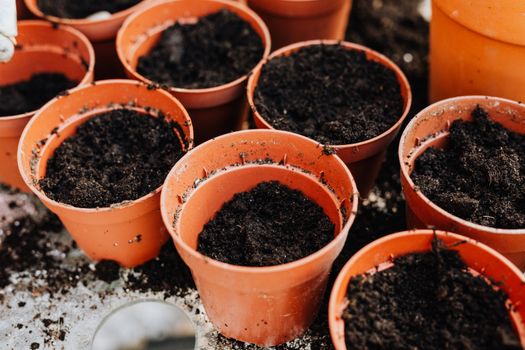
Roses are famously hungry plants, requiring rich, well-drained soil to flourish. Before planting, take time to prepare the site thoroughly—the effort pays dividends in robust growth and abundant blooms.
Here’s how to get your soil rose-ready:
1. Remove weeds, grass, and debris from the planting area. 2. Test your soil’s pH level. Roses prefer slightly acidic soil, ideally between 6.0 and 6.5. Soil test kits are available at most garden centers. 3. Incorporate organic matter such as composted manure, leaf mold, or well-rotted compost to improve fertility and drainage. 4. If your soil is heavy clay, add coarse sand or gypsum to enhance drainage. For sandy soils, add extra organic matter to help retain moisture. 5. Dig planting holes 18 inches wide and 12-18 inches deep, loosening the soil at the bottom.A 2019 study published in HortTechnology found that roses grown in soils amended with 20% compost produced 25% more blooms and had stronger root systems compared to those grown in unamended soils.
Planting Roses: Step-by-Step Guide
The best time to plant roses depends on your climate and whether you buy bare-root or container-grown plants. In most regions, early spring (after the last frost) is ideal, though fall planting is possible in mild climates.
Follow these steps for successful rose planting:
1. Soak bare-root roses in a bucket of water for several hours before planting. For container roses, gently remove the pot and loosen the roots. 2. Position the rose in the hole so that the graft union (the swollen area where the rose is budded onto rootstock) sits just above the soil line in mild climates, or 1-2 inches below in colder areas to protect from winter damage. 3. Backfill with a mix of native soil and compost, firming gently to eliminate air pockets. 4. Water thoroughly to settle the soil. 5. Apply a 2-3 inch layer of organic mulch around the base, keeping it an inch away from the stem to prevent rot.According to the University of California Cooperative Extension, properly planted roses can live 20 years or more, with some historical specimens surviving for over a century.
Essential Care Tips for a Thriving Rose Garden
Once your roses are in the ground, ongoing care will help them reach their full potential. Here’s how to give your plants the best chance at healthy growth and maximum blooms:
- Watering: Roses need about 1-2 inches of water per week, delivered at the base to keep foliage dry and reduce disease risk. Deep watering encourages deep root systems. - Fertilizing: Feed roses with a balanced fertilizer (such as 10-10-10) in early spring, just as new growth appears, and again after each bloom cycle. Avoid fertilizing after midsummer to prevent tender growth before winter. - Pruning: Prune in late winter or early spring before new growth begins. Remove dead, damaged, or crossing canes, and shape plants for good air circulation. For repeat bloomers, deadhead spent flowers to encourage more blooms. - Pest and disease management: Monitor regularly for aphids, black spot, and powdery mildew. Promptly remove affected leaves and use insecticidal soap or horticultural oil as needed.The National Gardening Association reports that roses grown with consistent care can yield up to 1,200-1,500 blooms per mature bush each year, depending on the variety.
Creative Additions and Enhancements for Your Rose Garden
A rose garden can be much more than a collection of bushes—it can become an immersive landscape experience. Here are some ideas to elevate your garden’s beauty and functionality:
- Add seating areas such as benches or arbors where you can relax and enjoy the fragrance. - Install drip irrigation to conserve water and provide deep, consistent hydration. - Use decorative edging, gravel paths, or stepping stones to define beds and improve access. - Incorporate structures like trellises, pergolas, or obelisks for climbing roses. - Illuminate your garden with solar lights to highlight blooms at dusk.Some public rose gardens, like the International Rose Test Garden in Portland, Oregon, feature over 10,000 rose bushes and attract more than 700,000 visitors annually, demonstrating the universal appeal of well-designed rose landscapes.
Final Thoughts on Planting a Rose Garden
Planting a rose garden is a deeply rewarding venture that brings color, fragrance, and a touch of romance to any outdoor space. With thoughtful planning, soil preparation, and attentive care, even novice gardeners can achieve spectacular results. As you watch your roses mature and bloom year after year, you’ll join a tradition cherished by gardeners worldwide. Whether you dream of a formal display or a wild, fragrant tangle, the perfect rose garden is within reach—one careful step at a time.