Every gardener dreams of a lush, thriving outdoor space, but what do you do when your garden is cloaked in shade for most of the day? Many assume that a shady garden means sacrificing color, texture, and vibrancy—yet nothing could be further from the truth. With the right plant choices, shaded areas can become enchanting retreats filled with foliage, flowers, and even unexpected bursts of color. From deep woodland corners to the north side of your home, the best plants for shady gardens are those that embrace lower light and thrive where others falter. This article will guide you through the top shade-loving plants, offer design strategies, and help you transform your shadowy spots into captivating garden highlights.
Understanding Shade: Types and Challenges
Before diving into plant selections, it's crucial to understand the different types of shade and the unique challenges they present. Not all shade is created equal, and matching plant species to your specific conditions is the key to success.
There are generally four categories of shade: - Light Shade: Areas that receive filtered sunlight, such as beneath open-branched trees or trellises. - Partial Shade: Spots that get three to six hours of morning or late afternoon sun, but are shaded during the hottest parts of the day. - Dappled Shade: Shifting patterns of sunlight and shade, often under deciduous trees. - Deep Shade: Locations that receive little to no direct sun, such as the north side of buildings or under dense evergreens.Shade can also mean increased competition for water and nutrients, especially under large trees. Soil may be less fertile and drier, requiring additional amendment and regular mulching.
According to the Royal Horticultural Society (RHS), up to 20% of residential garden space in the UK is classified as shaded—similar ratios are found in many urban and suburban settings worldwide. Understanding your garden's unique shade profile will help you select plants that not only survive, but thrive.
Top Flowering Plants for Shady Gardens
While many associate shade with a lack of flowers, a surprising number of perennials and annuals bloom beautifully with limited sunlight. Here are some of the best performers:
Astilbe (Astilbe spp.): With its fern-like foliage and feathery plumes of pink, white, or red, astilbe adds a soft, airy feel to shade borders. It prefers moist, well-drained soil and blooms from late spring into summer.
Foxglove (Digitalis purpurea): These tall, stately spires of tubular flowers are perfect for the back of a shady border. Foxgloves are biennial or short-lived perennials, often self-seeding.
Bleeding Heart (Dicentra spectabilis): One of the most iconic shade plants, bleeding heart produces heart-shaped pink or white flowers that dangle from arching stems in spring.
Impatiens (Impatiens walleriana): For consistent color all summer, impatiens are unbeatable. They come in a wide range of hues and thrive in containers or as bedding plants in deep or partial shade.
Japanese Anemone (Anemone hupehensis): These late-summer bloomers offer elegant, poppy-like flowers in pink or white, rising above attractive foliage. They are especially valuable for adding color after many other shade plants have finished blooming.
To maximize flower power, combine these species with staggered bloom times and foliage interest for year-round appeal.
Foliage Stars: Shade-Loving Plants with Striking Leaves
In shady gardens, foliage often takes center stage. Interesting leaf shapes, colors, and textures can provide as much visual excitement as flowers. Consider these top choices:
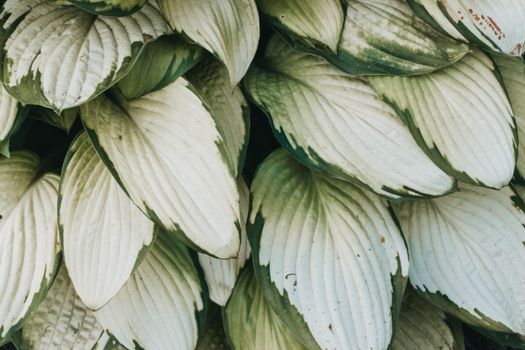
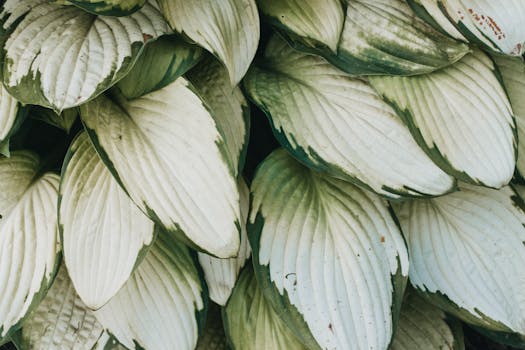
Hosta (Hosta spp.): With over 6,000 cultivars, hostas are the undisputed kings of shade foliage. Leaves range from deep blue-green to chartreuse, gold, and variegated patterns. Some varieties, like ‘Sum and Substance,’ can reach up to 3 feet across.
Brunnera (Brunnera macrophylla): Known as Siberian bugloss, brunnera offers heart-shaped, silvery leaves and delicate blue flowers in spring. ‘Jack Frost’ is a standout cultivar with frosted foliage.
Heuchera (Heuchera spp.): Also called coral bells, these perennials come in a rainbow of leaf colors, from lime green to burgundy, caramel, and near-black. Their compact size makes them ideal for edging or containers.
Ferns: From the lacy Japanese painted fern (Athyrium niponicum) to the bold ostrich fern (Matteuccia struthiopteris), ferns bring a woodland feel. Many are drought-tolerant once established.
Pulmonaria (Pulmonaria spp.): Also known as lungwort, this plant features spotted or silvery leaves and clusters of blue or pink flowers in early spring.
Incorporating a mix of foliage textures and colors adds depth and drama to even the shadiest corners of your garden.
Groundcovers and Vines for Dense Shade
For low-maintenance coverage and erosion control, groundcovers are essential in shady spots. Vines can soften walls, fences, or tree trunks, contributing vertical interest.
Liriope (Liriope muscari): Also called lilyturf, this grass-like groundcover is tough and adaptable, producing purple flower spikes in late summer.
Pachysandra (Pachysandra terminalis): An evergreen groundcover, pachysandra tolerates deep shade and forms dense mats that suppress weeds.
Sweet Woodruff (Galium odoratum): This low-growing perennial offers whorled leaves and tiny white flowers in spring, thriving in moist, shaded soil.
English Ivy (Hedera helix): While vigorous (and sometimes invasive), English ivy is highly shade-tolerant and works well for covering shady walls or as a groundcover beneath trees.
Climbing Hydrangea (Hydrangea anomala subsp. petiolaris): This slow-growing vine clings to brick or stone and produces fragrant, lacecap flowers even in dense shade.
When choosing groundcovers or vines, consider their growth rate, invasiveness, and compatibility with neighboring plants.
Comparing Popular Shade Plants: Growth, Color, and Care
To help you select the best plants for your shady garden, here’s a comparative overview of top choices, including their preferred shade type, height, bloom time, and maintenance needs.
| Plant | Shade Tolerance | Height | Bloom/Foliage Interest | Water Needs | Maintenance |
|---|---|---|---|---|---|
| Hosta | Partial to Deep Shade | 6-36 in | Foliage (spring-fall) | Medium | Low |
| Astilbe | Partial Shade | 12-36 in | Flowers (late spring-summer) | High | Medium |
| Impatiens | Deep Shade | 8-24 in | Flowers (summer-frost) | High | Low |
| Ferns | Partial to Deep Shade | 12-48 in | Foliage (year-round, some deciduous) | Low-Medium | Low |
| Brunnera | Partial Shade | 12-18 in | Foliage & Flowers (spring) | Medium | Low |
| Pachysandra | Deep Shade | 6-12 in | Foliage (evergreen) | Low | Low |
This table illustrates that with the right selection, you can enjoy both low-maintenance and highly decorative shade gardens.
Designing a Beautiful Shady Garden: Tips and Inspiration
Making the most of a shady garden isn’t just about picking the right plants. Thoughtful design can enhance the beauty and usability of these spaces. Here are a few expert tips:
Layering: Use a tiered approach, with tall shrubs or trees at the back, mid-height perennials in the middle, and groundcovers at the front. This creates visual depth and maximizes plant density.
Contrast: Play with texture and color. Pair broad-leaved hostas with delicate ferns, or combine dark-leaved heucheras with silvery brunnera for dramatic contrast.
Pathways and Features: Incorporate winding paths, benches, or water features to draw the eye and invite exploration. Materials like stone or wood complement the cool, tranquil feel of shade.
Seasonal Interest: Mix early bloomers like hellebores with late-season stars like Japanese anemone to ensure continuous appeal.
Container Gardening: Not all shaded areas are suitable for in-ground planting. Use large pots to showcase shade-loving plants on patios or under eaves.
Lighting: Solar or low-voltage garden lights can highlight interesting foliage and make shade gardens magical in the evening.
According to a 2023 survey by Garden Media Group, 38% of home gardeners said they wished they used more shade plants, and 62% reported satisfaction with their shaded spaces after redesigning with foliage-focused plantings.
Beyond Ornamentals: Edibles and Natives for Shade
While most vegetables and fruits need full sun, several edibles tolerate partial shade. Leafy greens like spinach, lettuce, and arugula can be grown in as little as four hours of sun per day. Herbs such as mint, chives, and parsley also perform well in dappled light.
Native plants are another excellent choice for shade. They’re adapted to local conditions and support pollinators and wildlife. For North American gardens, consider wild ginger (Asarum canadense), foamflower (Tiarella cordifolia), and trillium species. In the UK, wood anemone (Anemone nemorosa) and primrose (Primula vulgaris) are classic woodland natives.
A 2022 study published in the journal Urban Forestry & Urban Greening found that incorporating native shade plants increased garden biodiversity by up to 40%.
Shady Garden Success: Bringing Life to the Shadows
A shaded garden is not a limitation—it’s an opportunity for creativity and discovery. With the right plant choices and design strategies, you can transform even the darkest corners of your landscape into vibrant, inviting retreats. Whether you’re drawn to the lush foliage of hostas and ferns, the delicate blooms of astilbe and bleeding heart, or the low-maintenance charm of groundcovers, there’s a world of options waiting to thrive in your shade. Embrace the challenge, experiment with combinations, and watch as your shady garden flourishes.