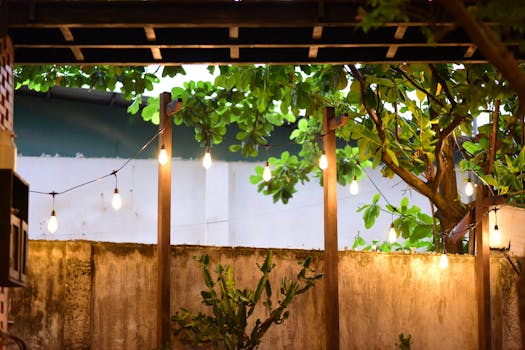
Creating a beautiful, inviting garden doesn’t stop with plants and pathways—choosing the right lighting is essential to transforming your outdoor space into a magical retreat after sunset. The right garden lighting not only enhances safety and security but also highlights your landscape’s best features, sets the mood for evening gatherings, and extends your enjoyment of the garden well into the night. However, with a vast array of lighting options available, from solar-powered path lights to dramatic spotlights, deciding what’s right for your garden can be overwhelming. This guide will walk you through the process of choosing the right lighting for your garden, helping you combine functionality, style, and sustainability for a truly stunning result.
Understanding the Purpose: What Do You Want Garden Lighting to Achieve?
Before exploring fixture types and technical specs, it’s crucial to define the purpose of your garden lighting. Are you aiming for ambience, safety, security, or a combination?
According to a 2022 survey by the American Society of Landscape Architects, 76% of homeowners cited ambience and atmosphere as their top priority for outdoor lighting, while 64% emphasized safety and security. Start by asking yourself:
- Do you want to illuminate paths and walkways for safe navigation? - Are there trees, sculptures, or water features you’d like to highlight? - Will you be entertaining guests outdoors and need to create a welcoming atmosphere? - Is deterring potential intruders a concern?By clarifying your objectives, you’ll be better equipped to select the types and placement of lights that best suit your needs.
Types of Garden Lighting Fixtures and Their Ideal Uses
Outdoor lighting fixtures range from subtle, low-level illumination to bold, statement-making pieces. Understanding the main types and their best uses helps ensure your garden’s lighting is both beautiful and practical. Here’s an overview:
| Lighting Type | Best For | Typical Placement | Energy Source |
|---|---|---|---|
| Path Lights | Safe navigation, highlighting walkways | Along paths, driveways | Solar, low-voltage, LED |
| Spotlights | Highlighting features (trees, statues) | Ground, aimed at objects | Low-voltage, LED |
| Floodlights | Security, wide area illumination | Walls, eaves, high points | Hardwired, LED |
| Deck & Step Lights | Safety on stairs, decks | Recessed in steps, deck edges | Low-voltage, LED, solar |
| String Lights | Ambience, party settings | Over patios, between trees | Plug-in, solar, battery |
| Wall Lights & Lanterns | Accent, entryway illumination | Mounted on walls, fences | Hardwired, solar, LED |
For example, path lights are ideal for guiding guests safely along walkways, while spotlights can draw attention to a prized Japanese maple or a water fountain. Deck and step lights prevent tripping hazards, and string lights can create a festive, enchanting mood above a patio or pergola.
Choosing the Right Light Intensity and Color Temperature
Light intensity and color temperature play a significant role in both the functionality and feel of your garden lighting. Measured in lumens, intensity determines how bright a fixture will be. For reference, a typical path light emits 100-200 lumens, while a security floodlight may produce 700-1300 lumens.
Color temperature, measured in Kelvins (K), affects the warmth or coolness of the light:
- Warm white (2,700-3,000K): Creates a cozy, inviting glow, ideal for seating and dining areas - Neutral white (3,500-4,500K): A balanced, natural light, suitable for garden features - Cool white (5,000-6,500K): Crisp and energizing, best for security lighting and clear visibilityA 2023 study found that 85% of homeowners preferred warm white lights for entertaining areas, while cool white was chosen for driveways and perimeters.
When choosing fixtures, consider layering different intensities and temperatures to create depth and interest. For example, use warm white for patios and seating, and cool white for security lights near entrances.
Energy Efficiency and Sustainability: Making Smart Choices
With climate change and rising energy costs top of mind, selecting energy-efficient and eco-friendly lighting is more important than ever. The U.S. Department of Energy reports that LED outdoor lighting uses at least 75% less energy and lasts 25 times longer than traditional incandescent bulbs.
Solar-powered lights are another sustainable option, harnessing the sun’s energy during the day to illuminate your garden at night. While solar technology has significantly improved, it’s best suited for areas that receive ample sunlight and for lower-intensity applications (like path lights or decorative accents).
Consider these facts: - LED lights can last up to 50,000 hours (over 11 years at 12 hours/night). - Solar-powered path lights can reduce garden lighting electricity costs by up to 40%. - Automated controls, such as motion sensors or timers, can further cut energy use by 30-60%.When planning your lighting, look for fixtures with ENERGY STAR certification to ensure high efficiency and quality, and opt for rechargeable batteries in solar lights to minimize waste.
Placement Strategies: Achieving Balance and Beauty
Even the most stunning fixtures won’t deliver the desired effect without thoughtful placement. Striking the right balance between light and shadow, and avoiding over-illumination, is key to a beautiful nighttime garden.
Here are some expert tips for effective placement:
1. $1 Combine ambient, task, and accent lighting for a multidimensional look. For example, use path lights (task) alongside spotlights on trees (accent) and string lights over a dining area (ambient). 2. $1 Direct brighter spotlights at features you want to showcase, such as a specimen plant, water feature, or sculpture. 3. $1 Position lights downward and use shields to prevent glare and spillover into neighboring properties. 4. $1 For path lights, a general rule is to space fixtures 6-8 feet apart for even, gentle illumination. 5. $1 Install deck and step lights at natural trip points, and ensure entrances are well-lit but not harsh.Garden lighting designers recommend standing back and observing your garden at dusk before finalizing fixture placement. Temporary solar or battery-powered lights can help you experiment with different arrangements before making permanent installations.
Smart Lighting Technology: Automation and Control
The rise of smart home technology has made it easier than ever to customize and control outdoor lighting. Smart garden lighting systems allow you to adjust brightness, color, and schedules from your smartphone or voice assistant, adding both convenience and security.
Key features of smart lighting systems include:
- $1 Turn lights on or off from anywhere using an app. - $1 Program lights to activate at specific times or sunset/sunrise. - $1 Automatically illuminate walkways or entrances when movement is detected. - $1 Set the mood for parties or holidays with adjustable colors.In 2023, the global smart outdoor lighting market was valued at $7.6 billion and is projected to grow by 16% annually through 2028, reflecting the increasing demand for integrated, energy-saving solutions.
Popular brands like Philips Hue, Ring, and LIFX offer weatherproof smart lights compatible with most home automation systems. While smart lighting can have a higher upfront cost, the flexibility and energy savings often provide a strong return on investment.
Final Thoughts on Choosing the Right Lighting for Your Garden
Selecting the right lighting for your garden is about more than picking fixtures—it’s about creating an atmosphere that enhances your landscape’s beauty, ensures safety, and aligns with your lifestyle and sustainability goals. Start by clarifying your lighting needs, then choose fixture types, light intensity, and color temperature to suit each area of your garden. Prioritize energy-efficient options like LEDs and solar, and use thoughtful placement to highlight features and avoid glare. Finally, consider integrating smart controls for even greater convenience and customization.
With careful planning and a touch of creativity, your garden can become a radiant sanctuary that’s as enchanting by night as it is by day.