Gardening enthusiasts are increasingly turning to natural fertilizers to nourish their plants, improve soil health, and foster a more sustainable environment. As gardeners seek alternatives to synthetic chemicals, natural fertilizers offer a holistic approach that benefits plants, soil, and the broader ecosystem. This article explores the science, benefits, and practical application of natural fertilizers in gardening, helping you make informed choices for a thriving, eco-friendly garden.
The Science Behind Natural Fertilizers: How They Work
Unlike synthetic fertilizers, which deliver concentrated doses of nutrients directly to plants, natural fertilizers work by enhancing the soil’s organic content and supporting the web of life beneath our feet. Natural fertilizers are derived from plant, animal, or mineral sources, and their nutrient release is gradual, providing a steady supply of essential elements as they decompose.
One of the key scientific advantages of natural fertilizers is their impact on soil structure. Organic matter in natural fertilizers boosts the population of beneficial microbes, such as bacteria and fungi, that break down nutrients into forms plants can absorb. A 2020 meta-analysis published in $1 found that gardens using organic fertilizers had, on average, 30% higher microbial biomass than those relying on synthetic options. This microbial activity not only feeds plants but also helps retain moisture, improve aeration, and reduce erosion.
Natural fertilizers also supply a broader spectrum of micronutrients than most synthetic blends, contributing to robust plant growth and resilience. While synthetic fertilizers typically focus on nitrogen (N), phosphorus (P), and potassium (K), natural options can include calcium, magnesium, sulfur, and trace minerals essential for plant vitality.
Types of Natural Fertilizers: Choices for Every Gardener
Natural fertilizers come in a variety of forms, each with unique properties and benefits. Choosing the right type depends on your garden’s needs, your local climate, and the resources available to you.
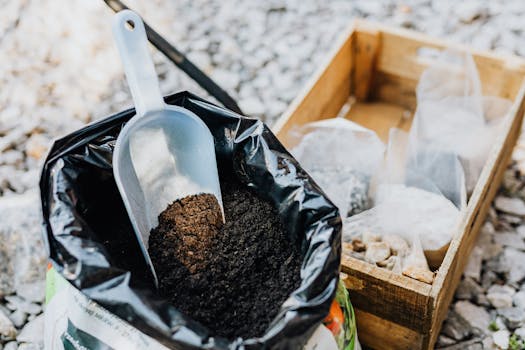
1. $1 Made from decomposed organic matter like kitchen scraps, leaves, and garden trimmings, compost is known as “black gold” for its ability to improve soil fertility and structure. According to the U.S. Environmental Protection Agency, adding 1 inch of compost can increase soil’s water holding capacity by up to 16,000 gallons per acre. 2. $1 Animal manure (from cows, horses, chickens, or rabbits) is rich in nitrogen and other nutrients. Well-rotted manure is safe for most plants, though it should be aged to avoid burning roots. A 50-pound bag of aged cow manure typically contains about 0.5% N, 0.2% P, and 0.5% K. 3. $1 Bone meal, derived from ground animal bones, is high in phosphorus and calcium. It’s ideal for flowering plants and root vegetables. Blood meal, made from dried animal blood, is a potent nitrogen source that can give leafy vegetables a boost. 4. $1 This liquid fertilizer is made from processed fish waste and offers a balanced supply of nutrients, including micronutrients. It’s fast-acting and particularly beneficial for seedling and foliar feeding. 5. $1 Seaweed fertilizers provide trace minerals, growth hormones, and beneficial compounds that stimulate plant immunity. A study by the University of California found that using seaweed extract increased tomato yields by 22%. 6. $1 These are plants (such as clover or vetch) grown specifically to be tilled back into the soil, adding organic matter and fixing nitrogen.The table below compares some common natural fertilizers by nutrient content, application method, and typical use:
| Fertilizer | Main Nutrients | Application | Best For |
|---|---|---|---|
| Compost | Balanced (N-P-K, micronutrients) | Top-dress or mix into soil | All plants and soil types |
| Manure (Aged) | Nitrogen, phosphorus, potassium | Tilled in or top-dressed | Vegetable gardens, fruit trees |
| Bone Meal | Phosphorus, calcium | In planting holes or around roots | Bulbs, root crops, flowering plants |
| Blood Meal | Nitrogen | Broadcast or side-dress | Leafy greens, nitrogen-deficient soils |
| Fish Emulsion | Balanced N-P-K, micronutrients | Diluted and watered in | Seedlings, container plants |
| Seaweed/Kelp | Micronutrients, growth hormones | Foliar spray or soil drench | General plant health, stress recovery |
Environmental Impact: Sustainability and Soil Health
Switching to natural fertilizers is not just good for your plants—it’s a positive step for the planet. Synthetic fertilizers are produced using energy-intensive processes and can contribute to environmental issues such as waterway pollution and greenhouse gas emissions. In contrast, natural fertilizers often utilize waste materials, promote carbon sequestration, and support biodiversity.
For example, improper use of synthetic fertilizers is a major driver of water pollution. The U.S. Geological Survey reports that about 1.7 million tons of nitrogen from fertilizer runoff ends up in American rivers each year, contributing to harmful algal blooms and aquatic dead zones. Natural fertilizers, with their slow-release properties, are far less likely to leach into groundwater or runoff into streams.
Moreover, by recycling organic waste—through composting kitchen scraps or using manure—gardeners help divert material from landfills. According to the EPA, food scraps and yard waste make up over 30% of what we throw away, much of which can be composted instead.
Natural fertilizers also have a long-term positive effect on soil health. Regular additions of organic matter can increase soil organic carbon stocks; a 2019 study found that soils amended with compost over five years saw a 21% increase in organic carbon compared to untreated soils. This not only improves plant growth but also helps capture and store atmospheric carbon, mitigating climate change.
Practical Tips for Using Natural Fertilizers Effectively
While natural fertilizers offer many benefits, using them effectively requires some knowledge and planning. Here are key tips to maximize their impact in your garden:
1. $1 Start with a soil test. Many local extension services offer affordable soil testing that will tell you what nutrients are lacking. This will help you choose the best type of natural fertilizer for your specific needs. 2. $1 For home composting, aim for a mix of “greens” (nitrogen-rich materials like fruit peels and grass clippings) and “browns” (carbon-rich materials like leaves and cardboard). Turn your pile regularly and keep it moist but not soggy for optimal decomposition. 3. $1 Natural fertilizers break down slowly. Apply them in early spring or fall so nutrients are available as plants need them. Avoid applying high-nitrogen fertilizers like blood meal late in the season, as this can promote tender growth susceptible to frost. 4. $1 Mulching with organic materials like straw or shredded leaves not only conserves moisture but also adds nutrients as it breaks down, acting as a slow-release fertilizer. 5. $1 Practice crop rotation and let some beds rest with cover crops or green manure. This helps prevent nutrient depletion and soil-borne diseases. 6. $1 Results from natural fertilizers are not as immediate as synthetics. It may take a season or two to see dramatic improvements in plant health and yields.Natural Fertilizers vs. Synthetic Fertilizers: Weighing the Pros and Cons
Understanding the differences between natural and synthetic fertilizers can help you make informed decisions for your garden. Here’s a side-by-side comparison:
| Feature | Natural Fertilizers | Synthetic Fertilizers |
|---|---|---|
| Nutrient Release | Slow, steady release as materials decompose | Fast, immediate release |
| Soil Health | Improves organic matter and soil life | Can degrade soil structure with overuse |
| Environmental Impact | Low; often recycled materials | Higher; potential for runoff and pollution |
| Cost | Often low or free (homemade) | Varies; ongoing purchase required |
| Micronutrients | Broad spectrum, including trace minerals | Limited; usually just N-P-K |
| Ease of Use | Requires more effort and time | Simple, convenient to apply |
While synthetic fertilizers can provide a quick fix, especially for commercial growers needing immediate results, natural fertilizers are unmatched in building long-term soil fertility, supporting beneficial organisms, and protecting the environment.
Success Stories: Natural Fertilizers in Action
Many community gardens, urban farms, and home gardeners have seen transformative results by switching to natural fertilizers. For instance, the Brooklyn Grange rooftop farm in New York City utilizes compost made from local food waste and organic manures to nurture over 50,000 pounds of vegetables annually. This closed-loop approach has improved soil fertility, reduced input costs, and supported pollinator populations.
Similarly, a suburban gardener in Portland, Oregon, reported a 40% increase in tomato yields after three years of mulching with homemade leaf compost and rotating cover crops. The soil became easier to work, required less watering, and produced fewer weeds—a testament to the power of natural fertilizers.
These real-world examples highlight the adaptability and effectiveness of natural fertilizers in diverse settings, from small raised beds to large-scale urban farms.
Bringing It All Together: The Future of Gardening with Natural Fertilizers
Natural fertilizers are more than just an eco-friendly trend—they’re a pathway to healthier gardens, richer soils, and a greener planet. As more gardeners embrace compost, manure, seaweed, and other organic amendments, the benefits multiply: less reliance on fossil fuels, cleaner waterways, more resilient plants, and gardens that thrive year after year.
Whether you’re growing vegetables, ornamentals, or fruit trees, integrating natural fertilizers into your routine builds a foundation for long-term success. With patience and a little experimentation, you’ll see not only healthier plants but also a positive ripple effect beyond your backyard.