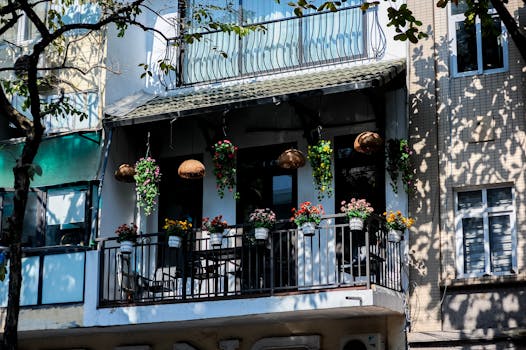
If you’re living in a cozy apartment, have a compact balcony, or simply want to add greenery without sacrificing precious floor space, hanging plants are the perfect solution. But with hundreds of species and an array of pots and placement options, how do you choose the right hanging plants for small spaces? This guide will walk you through essential considerations, plant types, care requirements, and design tips, ensuring your limited space flourishes with vibrant, well-chosen greenery.
Why Hanging Plants are Ideal for Small Spaces
Small spaces demand smart design choices, and hanging plants offer several unique benefits. They allow you to utilize vertical real estate, bringing lush life to areas that might otherwise be empty or underused, such as ceilings, high shelves, and window frames. According to a 2021 survey by the National Gardening Association, 39% of urban dwellers prefer hanging or wall-mounted plants due to space constraints. Additionally, hanging plants can serve as visual dividers, add privacy, and improve indoor air quality—NASA’s famous Clean Air Study found that certain houseplants can remove up to 87% of air toxins in 24 hours.
Hanging plants also help reduce clutter, creating a sense of openness and tranquility. By lifting greenery off the ground, you free up valuable surface areas for other uses and create eye-catching displays at different heights.
Key Factors to Consider When Selecting Hanging Plants
Before heading to the nursery or filling your online cart, it’s crucial to evaluate your space and lifestyle. Here are the top factors to keep in mind:
1. $1 Light is the most decisive factor. Assess whether your chosen spot receives direct sunlight, filtered light, or is relatively shaded. For example, a south-facing window may be perfect for sun-loving species, while a dim corner calls for low-light tolerant plants. 2. $1 Some plants thrive in humid environments, such as bathrooms or kitchens, while others prefer drier air. Check average household humidity (usually around 40-60%) and temperature to match the plant’s natural preferences. 3. $1 Are you a hands-on plant parent or do you travel frequently? Some hanging plants require regular watering and pruning, while others are more forgiving. For busy lifestyles, opt for drought-tolerant or slow-growing varieties. 4. $1 Measure the available vertical and horizontal space. Some hanging plants trail extensively, while others remain compact. Consider the length of vines, leaf spread, and weight of the mature plant. 5. $1 If you have pets or children, choose non-toxic species and hang plants out of reach. Also, ensure your hanging setup is secure and accessible for watering and maintenance.Top Hanging Plant Choices for Small Spaces
Let’s look at some of the best-performing hanging plants tailored to small-space living. The table below offers a comparison of popular options, including light needs, growth habits, and maintenance requirements.
| Plant Name | Light Needs | Growth Habit | Maintenance | Pet Safe? |
|---|---|---|---|---|
| String of Pearls (Senecio rowleyanus) | Bright, indirect | Trailing, compact | Low | No |
| Spider Plant (Chlorophytum comosum) | Medium to bright, indirect | Arching, offsets | Low | Yes |
| Pothos (Epipremnum aureum) | Low to bright, indirect | Trailing, vigorous | Very low | No |
| Boston Fern (Nephrolepis exaltata) | Bright, indirect | Arching, bushy | Medium | Yes |
| Hoya (Hoya carnosa) | Bright, indirect | Vining, compact | Low | Yes |
| English Ivy (Hedera helix) | Bright, indirect | Trailing, fast | Medium | No |
Understanding Growth Habits and Space Optimization
The growth habit of a plant affects both its care and its visual impact in tight quarters. Here’s what to consider:
- $1: Trailing plants like Pothos or String of Hearts create dramatic falls, perfect for high shelves or hanging baskets. Compact varieties like Hoya or some Ferns stay bushier and more contained. - $1: Fast growers quickly fill a space but may need more pruning. Slow growers, like certain Hoyas, require less maintenance and stay manageable. - $1: Plants with smaller, thinner leaves (like String of Pearls) visually lighten a space, while large, glossy leaves (like some Philodendrons) make a bold statement but can overwhelm a tiny room.Choose hanging plants with growth habits that suit your available space and desired visual effect. For instance, a single trailing plant over a desk provides greenery without clutter, while a cluster of compact ferns can soften a bathroom corner.
Creative Hanging Solutions for Maximum Impact
Beyond the plant itself, the way you display your greenery is key to making the most of small spaces. Here are a few creative approaches:
- $1: Macramé hangers are lightweight and let you display plants at different heights. Lightweight baskets are easy to install on ceiling hooks or wall brackets. - $1: For super-tight areas, consider planters that attach directly to walls. These are perfect for succulents, air plants, or herbs in kitchens. - $1: Install a rail with hooks to hang multiple plants in a vertical line, or use floating shelves to create a green “gallery wall.” - $1: Suction cup planters or tension rods can transform windows into sun-drenched plant displays, maximizing light and saving sill space.Remember, the average well-secured ceiling hook can safely hold up to 10-15 kg, but always check your specific hardware and the weight of wet soil before installation.
Essential Care Tips for Thriving Hanging Plants
Even the hardiest hanging plants need some attention. Here are expert tips to keep your small-space garden healthy:
- $1: Hanging plants often dry out faster due to increased air circulation. Check soil moisture regularly and water thoroughly, letting excess drain away. Self-watering pots or moisture-retaining mixes can help. - $1: Feed during the growing season (spring and summer) with a diluted liquid fertilizer every 4-6 weeks. - $1: Regularly trim dead leaves and leggy vines to maintain shape and encourage bushier growth. - $1: Hanging plants are less prone to pests but still check for signs of spider mites, aphids, or mealybugs, especially on the undersides of leaves. - $1: Rotate your hanging plants every few weeks to ensure even light exposure and balanced growth.According to a 2022 study by the University of Reading, plants in well-ventilated, bright rooms grew up to 15% faster than those in poorly lit, stagnant areas—so don’t overlook environmental factors.
Designing with Hanging Plants: Style and Function
Hanging plants are more than just greenery—they’re a design element. Here’s how to use them to transform your small space:
- $1: Hang plants at different heights to draw the eye upward and make ceilings feel taller. - $1: Use cascading vines to frame windows or mirrors, adding softness and privacy. - $1: Group several small plants together for a lush, mini-jungle effect without overwhelming a room. - $1: Mix leaf shapes and colors—combine the silvery strands of String of Pearls with the deep green of Pothos or the feathery fronds of Boston Fern.A well-placed hanging plant can even serve a functional role, such as improving air quality near workspaces or dampening sound in echo-prone rooms.
Final Thoughts on Choosing the Right Hanging Plants for Small Spaces
Selecting the perfect hanging plants for your small space is a blend of art and science. By considering light, humidity, maintenance, and growth habits, you can curate a collection that thrives without crowding your home. Creative displays and thoughtful care will keep your vertical garden vibrant year-round, turning even the tiniest nook into a lush, inviting retreat.
Remember, the right plant in the right spot will reward you with cleaner air, a calming atmosphere, and a fresh burst of style—without ever taking up precious square footage.