As summer temperatures soar and the sun beats down relentlessly, gardeners face one of their most pressing seasonal challenges: keeping their plants healthy and thriving despite the heat. Proper watering is not just a matter of dumping more water onto your garden beds; it’s a nuanced process that, when done correctly, can mean the difference between lush, resilient growth and withered, stressed plants. Whether you’re tending to vegetables, ornamentals, or fruit trees, understanding the science and strategy behind watering during the hottest months is essential for every gardener. Let’s dig deep into best practices, advanced techniques, and actionable tips to ensure your garden flourishes all summer long.
The Science of Plant Hydration in Hot Weather
Plants, like all living things, are profoundly affected by heat. When temperatures rise above 30°C (86°F), many common garden plants experience increased transpiration—the process of losing water through their leaves. According to research by the University of California, a mature tomato plant can lose up to one liter of water per day during peak summer heat. At the same time, soil moisture evaporates far more quickly, especially from the top few inches.
During hot spells, plants can become water-stressed, leading to symptoms such as wilting, leaf scorch, reduced flowering, and stunted growth. However, overwatering can be just as damaging, suffocating roots and fostering fungal diseases. The challenge is to strike a delicate balance: providing enough water to compensate for losses, but not so much that you create new problems.
Key factors that influence watering needs include:
- Soil type (clay, loam, sand) - Plant species and maturity - Sun exposure - Humidity and wind - Mulch coverUnderstanding these basics sets the stage for smarter, more efficient watering practices tailored to your own garden.
Timing: When to Water for Maximum Benefit
The timing of watering can dramatically affect how much moisture actually reaches your plants’ roots. Watering in the wrong part of the day risks wasting precious water and even damaging your plants.
The best time to water during hot months is early in the morning, ideally between 5 a.m. and 9 a.m. At this time, the air is cooler, winds tend to be calm, and less water is lost to evaporation. Morning watering also allows plant foliage to dry before evening, reducing the risk of fungal diseases.
Watering in the evening (after 6 p.m.) is a secondary option if mornings aren’t possible. However, consistently wet foliage overnight can encourage mildew, molds, and other pathogens, especially on susceptible plants like roses and tomatoes.
Avoid watering during midday, when the sun is at its peak. Up to 30% of water applied at noon can evaporate before it even reaches the roots, according to a 2022 study by the American Society for Horticultural Science. Additionally, cold water droplets on hot leaves can cause thermal shock, resulting in leaf burn.
Deep vs. Shallow Watering: Which Is Best?
One of the most common mistakes gardeners make is shallow, frequent watering. This practice encourages plant roots to stay near the soil surface, making them more vulnerable to heat and drought stress.
Deep watering, in contrast, means applying water slowly and thoroughly so that it soaks down to a depth of 6-8 inches—where most robust root systems develop. This encourages plants to send roots deeper, increasing their ability to access moisture during dry spells.
Here’s a comparison of the two approaches:
| Watering Method | Frequency | Depth Reached | Impact on Roots | Water Efficiency |
|---|---|---|---|---|
| Shallow Watering | Daily or every other day | 1-2 inches | Shallow root growth, greater stress in heat | Poor, more evaporation |
| Deep Watering | 2-3 times per week | 6-8 inches | Deep, resilient roots | High, less water lost |
A simple test: after watering, use a trowel to dig down beside your plants. The soil should be moist at least 6 inches deep. If not, you’ll need to adjust your technique.
Choosing the Right Tools and Methods
Watering isn’t just about timing or frequency—it’s also about how you deliver the water. The right method can save you time, money, and effort, while ensuring your plants get exactly what they need.
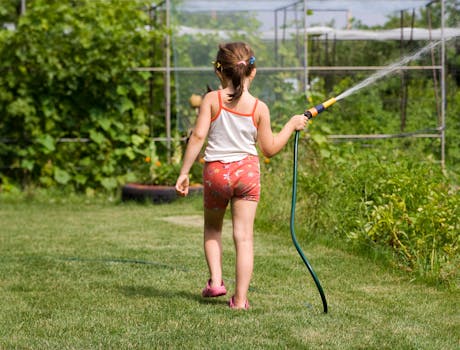
- Soaker Hoses: These porous hoses release water slowly along their length, delivering moisture directly to the root zone. They’re ideal for garden beds and borders, reducing evaporation by up to 70% compared to overhead sprinklers. - Drip Irrigation: A more advanced system, drip irrigation uses emitters or tubes to target individual plants. It’s highly efficient, with studies showing up to 90% of water applied is available to plants. Drip systems also reduce foliar diseases by keeping foliage dry. - Watering Cans: For container gardens or small beds, a watering can with a long spout allows you to direct water exactly where it’s needed. This is especially useful for delicate seedlings or densely planted areas. - Hose-End Sprayers: Adjustable nozzles can be used for larger areas, but use a gentle, shower-like setting to avoid soil erosion and leaf damage.Regardless of the tool, aim for slow, steady application. Rushing leads to runoff, especially in clay soils or on slopes.
Adapting Your Strategy to Soil and Plant Types
No two gardens are the same, and your watering strategy should reflect the unique needs of your soil and plants.
Soil Types:
- Sandy soils drain quickly and retain little moisture. They may require more frequent, lighter watering to avoid leaching nutrients. - Clay soils hold water longer but are prone to compaction and runoff. Water more slowly to allow absorption, and avoid saturating the ground. - Loam soils offer the best balance. Deep watering two to three times per week is usually sufficient.Plant Types:
- Established trees and shrubs can withstand short dry spells. Water deeply once every 7-10 days. - Vegetable gardens, especially tomatoes, peppers, and cucumbers, need consistent moisture for fruit development. Mulch heavily and water regularly. - Lawns often need about 1 inch of water per week, including rainfall. Use a rain gauge or empty tuna can to measure application.A 2023 survey by the National Gardening Association found that gardens mulched with 2-3 inches of organic material required 35% less supplemental watering than bare soil. Mulch acts as a shield, reducing evaporation and keeping roots cool.
Smart Watering: Leveraging Technology and Conservation
With water scarcity an increasing concern in many regions, gardeners are turning to technology and conservation strategies to make the most of every drop.
Rainwater Harvesting: Setting up a rain barrel can capture hundreds of gallons of water during a single summer storm. In fact, a 1,000-square-foot roof can collect over 600 gallons from just one inch of rain. Use this free resource to irrigate flower beds, vegetables, and containers.
Soil Moisture Sensors: These devices measure soil moisture at root level and can be connected to smart irrigation systems. They ensure water is only applied when necessary, preventing both drought stress and overwatering.
Smart Timers and Controllers: Modern irrigation timers can be programmed for specific times and durations, and some even adjust automatically based on local weather data. This reduces waste and ensures your garden receives optimal care, even if you’re away.
Drought-Tolerant Plantings: While not a watering method per se, incorporating drought-resistant plants into your landscape reduces overall water needs and ensures resilience during heatwaves.
Final Tips for Healthy Gardens in the Heat
Proper watering during the hottest months is both an art and a science. To recap, here are some essential takeaways:
- Water early in the day to maximize uptake and reduce evaporation. - Aim for deep, infrequent watering to promote strong, resilient roots. - Adjust your approach based on soil type, plant needs, and garden layout. - Use efficient tools like soaker hoses, drip irrigation, and mulch to conserve water. - Leverage technology such as rain barrels and smart controllers for sustainable gardening.By understanding your garden’s unique requirements and applying these expert-backed strategies, you’ll not only survive the summer heat—you’ll help your plants truly thrive.