Caring for your lawn during the winter months often gets overlooked as many homeowners assume that grass goes dormant and needs little attention. However, winter lawn maintenance is essential for ensuring a lush, healthy yard when spring returns. Neglect during cold months can lead to problems like snow mold, compaction, and weed invasion, which can be costly and time-consuming to fix. With the right approach, you can protect your lawn’s health even when it’s covered in frost or snow. This article will provide actionable, lesser-known tips for winter lawn maintenance, focusing on what you can do before, during, and after the coldest months to keep your grass thriving.
Understanding Your Lawn's Winter Dormancy
Before diving into specific maintenance strategies, it’s crucial to understand what happens to your lawn in winter. Most common lawn grasses in temperate regions—such as Kentucky bluegrass, fescue, and ryegrass—enter a state of dormancy as temperatures drop below 50°F (10°C). During dormancy, grass growth slows dramatically, and the roots conserve energy until conditions improve.
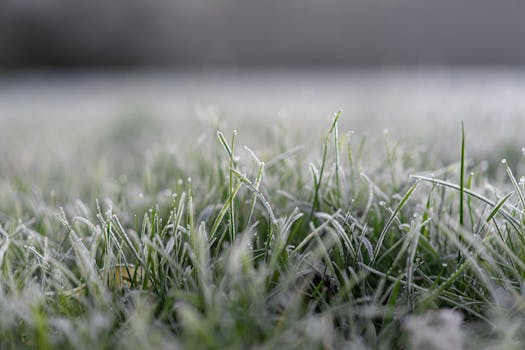
However, dormancy doesn’t mean your lawn is invulnerable. Cold temperatures, ice, and snow can cause stress, while improper care can leave your grass susceptible to disease and physical damage. For example, winter desiccation—when grass loses moisture due to wind and sun exposure—can cause brown patches, while snow mold can develop under lingering snow cover, particularly if leaves or debris are left on the lawn.
Essential Pre-Winter Preparation Steps
Late fall is the most critical period for setting your lawn up for winter success. Here are some targeted actions that go beyond the usual mowing and raking:
1. Aerate the Soil: Compacted soil restricts root growth and water absorption. Aerating in late autumn, before the ground freezes, creates channels for air, water, and nutrients. According to a 2021 University of Minnesota study, lawns aerated before winter green up 19% faster in spring compared to non-aerated lawns. 2. Apply a Winter Fertilizer: Use a fertilizer high in potassium and low in nitrogen. Potassium helps strengthen grass cell walls, making them more resilient to cold and disease. Look for formulations labeled "winterizer"—these typically have an NPK ratio such as 8-0-24. Research from the University of Illinois shows that lawns fertilized with winterizer blends in late fall had 30% less winter damage. 3. Remove Debris Thoroughly: Fallen leaves, branches, and thatch can trap moisture and foster fungal diseases like snow mold. Rake thoroughly and consider a final light dethatching if your lawn tends to accumulate organic matter. 4. Overseed Bare Spots: While spring is the traditional time for overseeding, late fall overseeding can help fill in thin areas, giving seeds time to settle and germinate as soon as the ground thaws.Smart Watering Strategies for Cold Months
One of the most overlooked aspects of winter lawn care is proper watering. While your lawn requires less water in winter, it doesn’t become completely drought-proof. Dry, windy conditions can draw moisture from grass blades even in cold weather.
- Monitor Soil Moisture: Especially in regions with little snowfall, check the soil moisture by pushing a screwdriver into the ground. If it’s hard to push in, your lawn may be too dry. - Water Before Freeze: Give your lawn a deep watering before the first hard freeze. This ensures roots are hydrated going into dormancy. - Avoid Watering When Frozen: Never water when soil or grass blades are frozen, as this can create damaging ice layers.According to the National Drought Mitigation Center, lawns that receive proper moisture before winter show up to 40% less winter kill than those that go into cold weather parched.
Protecting Your Lawn from Foot Traffic and Damage
Winter lawns are particularly vulnerable to physical damage. Grass blades are brittle during dormancy, and repeated pressure can cause soil compaction or breakage that hinders spring growth.
- Limit Foot Traffic: Avoid walking across the lawn when it's frosty or snow-covered. One study found that repeated foot traffic across frozen turf can reduce spring regrowth by up to 25%. - Mark Pathways: Use flag markers or temporary stepping stones to guide family and pets away from sensitive areas. - Clear Snow Carefully: If you need to shovel snow from walkways onto the lawn, spread it evenly to prevent suffocation and uneven melting patterns that can lead to ice patches.Dealing with Ice Melt Products: Choosing Lawn-Safe Options
Using the wrong ice melt products can have long-lasting negative effects on your lawn. Traditional rock salt (sodium chloride) can leach into the soil, causing dehydration and root damage, especially near driveways and sidewalks.
Here’s a comparison of common de-icing products and their impact on lawns:
| De-Icer Type | Effectiveness | Impact on Lawn | Cost per 50 lb Bag ($) |
|---|---|---|---|
| Sodium Chloride (Rock Salt) | High | High Damage - causes dehydration, brown patches | 7-10 |
| Calcium Chloride | Very High | Moderate Damage - less harmful but still can burn grass | 20-25 |
| Magnesium Chloride | High | Low Damage - safer for plants | 25-30 |
| Potassium Chloride | Moderate | Low Damage - considered lawn-friendly | 30-35 |
| Urea-based Melters | Low | Minimal Damage - some fertilizing effect | 35-40 |
For best results, opt for magnesium chloride or potassium chloride products, and always apply sparingly. Sweep up excess melt to prevent runoff onto your lawn.
Overcoming Common Winter Lawn Problems
Winter brings a unique set of problems that can impact lawn health. Being proactive can make a significant difference:
- Snow Mold: This fungal disease appears as gray or pink patches after snow melts. Prevent it by raking leaves and debris in fall and lightly dethatching if needed. If you notice patches in spring, rake affected areas to increase air circulation. - Vole Damage: Voles (field mice) create surface tunnels under snow, damaging grassroots. Protect your lawn by mowing slightly lower in late fall and keeping the area around your yard clear of dense vegetation where voles may hide. - Winter Desiccation: Drying winds can desiccate grass, especially on south-facing slopes. Use windbreaks like temporary fencing or burlap screens if your lawn is exposed.According to the Lawn Institute, up to 60% of visible lawn damage in early spring can be traced back to preventable winter issues such as compaction, fungal disease, and salt exposure.
Revitalizing Your Lawn After Winter
As temperatures rise and the snow recedes, your lawn will start to wake from dormancy. The steps you take in early spring are just as important as your winter care:
- Gently Rake the Lawn: Clear away matted grass and debris to allow new shoots to emerge. - Assess and Repair Damage: Look for brown patches, tunnels, or mold. Overseed thin spots and apply a balanced fertilizer to encourage rapid recovery. - Decompact the Soil: If you notice pooling water or hard soil, aerate again to improve drainage and root growth.Based on data from the National Association of Landscape Professionals, lawns that received comprehensive winter care recover up to 50% faster and display fewer weeds and bare spots during the growing season.
Key Takeaways for Winter Lawn Maintenance
Winter lawn maintenance is about more than waiting for spring. By understanding dormancy, preparing your lawn before the freeze, managing moisture, protecting against damage, and addressing common winter problems, you can ensure a strong, resilient lawn year after year. Investing a little time now will save you significant effort and expense when warmer weather returns.