Creating a Garden Design Inspired by Japanese Gardens: Essential Principles, Elements, and Modern Applications
Japanese gardens have fascinated landscape lovers worldwide for centuries. Their tranquil beauty, harmony with nature, and deep symbolism make them a popular inspiration for gardeners seeking to create a peaceful retreat at home. But designing a garden inspired by Japanese principles is more than just adding a few stones or a bamboo feature—it’s about understanding the philosophy, layout, and subtle design cues that have shaped these iconic landscapes for over 1,000 years.
In this guide, we’ll explore how to create a garden design inspired by Japanese gardens, focusing on core principles, key elements, and practical steps for modern spaces. Whether you have a spacious backyard or a compact urban plot, you’ll discover how to capture the essence of Japanese tranquility and timelessness in your own outdoor sanctuary.
The Core Principles Behind Japanese Garden Design
Before diving into specific elements, it’s vital to understand the foundational philosophies that underpin authentic Japanese gardens. Unlike many Western gardens, which often prioritize bold color, productivity, or symmetry, Japanese gardens strive for subtlety and natural harmony.
Key principles include:
- $1 Stripping away the unnecessary to focus on essential forms. - $1 Arranging features to appear as if untouched by human hands. - $1 Japanese gardens use asymmetrical layouts to mimic natural landscapes. - $1 Every stone, plant, and water feature carries meaning—mountains, islands, rivers, and more. - $1 Incorporating views of surrounding landscapes to create a sense of continuity.A 2018 survey by the Japan National Tourism Organization showed that over 70% of international visitors ranked Japanese gardens as a top cultural attraction, highlighting their universal appeal.
By starting with these principles, you ensure your design goes beyond surface-level imitation and taps into the tranquil spirit that makes Japanese gardens so enduring.
Essential Elements of Japanese Garden Design
To bring a Japanese-inspired garden to life, certain elements are traditionally used. These components serve both practical and symbolic purposes, working together to evoke peace, contemplation, and a connection to nature.
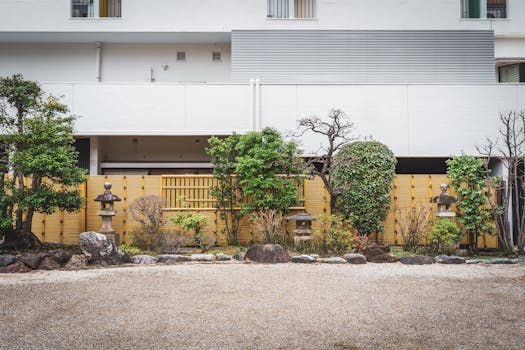
1. $1 - Rocks represent mountains, islands, or animals. - Stones are used to create pathways (called nobedan), stepping stones (tobi-ishi), or as focal points. - Placement follows rules akin to traditional Japanese painting—odd numbers, groupings, and careful orientation. 2. $1 - Ponds, streams, or dry gravel beds (kare-sansui) symbolize water’s presence. - Water features can be as simple as a stone basin (tsukubai) or as elaborate as a koi pond. - In dry gardens, raked gravel patterns evoke rippling water. 3. $1 - Japanese maples (Acer palmatum), bamboo, azaleas, mosses, and pines are favored for their seasonal changes. - Plant placement is sparse, focusing on shape, texture, and year-round interest rather than dense color. - Evergreens provide structure, while deciduous trees offer seasonal drama. 4. $1 - Curved bridges (taiko-bashi) and winding paths encourage slow movement and contemplation. - Paths often meander to reveal new perspectives and “hide” features until the visitor rounds a corner. 5. $1 - Stone lanterns (tōrō) and pagodas add historical and spiritual resonance. - Ornaments are used sparingly to avoid clutter.According to the Japanese Garden Society, over 80% of recognized Japanese gardens outside Japan include at least three of the above elements, underlining their importance for authenticity.
Comparing Japanese Gardens to Western Garden Styles
Understanding what sets Japanese-inspired gardens apart from Western designs helps clarify design choices. The table below highlights some of the most notable differences:
| Feature | Japanese Garden | Typical Western Garden |
|---|---|---|
| Layout | Asymmetrical, naturalistic | Symmetrical, geometric |
| Planting | Minimal, focus on form and texture | Dense, focus on color and blooms |
| Water | Symbolic, often tranquil ponds or dry gravel | Practical, such as fountains or pools |
| Ornaments | Sparse, meaningful | Decorative, often numerous |
| Purpose | Contemplation, spiritual reflection | Recreation, entertaining, production |
This comparison makes it clear why Japanese gardens feel so distinct and how their features can be integrated into your design for a unique atmosphere.
Planning Your Japanese-Inspired Garden: Practical Steps
Bringing Japanese design principles into your own garden involves both creative vision and practical planning. Here’s how to start:
1. $1 - Japanese gardens can be created in spaces large or small. Even a 10-square-meter courtyard can accommodate essential elements. - Observe sun, shade, and existing features. Decide which views to “borrow” (shakkei), such as a neighbor’s mature tree or a distant hill. 2. $1 - Draw a rough plan using asymmetry; avoid straight lines and right angles. - Place a central feature (water, rock grouping, or specimen tree) off center. - Plan paths that meander or pause at focal points. 3. $1 - Use natural materials: local stone, gravel, aged wood, and real plants. - For gravel or sand, aim for a depth of at least 5cm to allow raking patterns that hold their shape. 4. $1 - Japanese maples are hardy in zones 5-8 and offer fiery autumn color. - Moss thrives in shade and damp, adding a soft carpet effect. - Select evergreens like pines or boxwood for structure. 5. $1 - Even a small birdbath or basin can evoke water’s calming effect. - For dry gardens, use fine gravel and arrange rocks in odd-numbered groups (e.g., three, five, or seven). 6. $1 - A single stone lantern placed near a path or water feature draws the eye without overwhelming the scene. - Avoid overuse of statues or artificial décor.A 2022 survey by the Royal Horticultural Society found that 42% of UK gardeners expressed interest in adding Japanese-inspired features to their gardens, with water features and stone elements topping the list.
Adapting Japanese Garden Concepts for Modern and Urban Spaces
You don’t need a sprawling estate to enjoy the serenity of a Japanese garden. Many ideas translate beautifully to smaller or urban settings:
- $1 Use potted maples, a tabletop water basin, and a mini gravel area for raking meditation. - $1 Bamboo screens create privacy, while stepping stones and moss can soften hardscapes. - $1 Integrate minimal lighting, modern materials, or bold sculptures inspired by Japanese forms.For example, the Portland Japanese Garden in Oregon—often cited as the most authentic Japanese garden outside Japan—demonstrates how traditional design can be adapted for a North American climate and urban context. Over 350,000 visitors attended in 2023, highlighting its broad appeal.
Maintaining the Tranquility: Care and Upkeep of a Japanese-Inspired Garden
Japanese gardens are meticulously maintained, yet designed to look effortless. Key maintenance tips include:
- $1 Japanese pruning techniques (niwaki) emphasize natural form over harsh clipping. - $1 Patterns in dry gardens should be refreshed weekly or after heavy rain. - $1 Keep moss healthy by ensuring shade and moist, acidic soil; remove fallen leaves gently. - $1 Minimalist plantings mean weeds stand out—regular hand-weeding is essential. - $1 Replace seasonal features (e.g., potted azaleas) as needed for year-round interest.A study by the International Association of Japanese Gardens found that the average time spent maintaining a traditional Japanese garden is 2-3 hours per week for a 100-square-meter area—a manageable commitment for dedicated gardeners.
Bringing Japanese Garden Inspiration Home: Final Thoughts
Designing a garden inspired by Japanese traditions is about more than aesthetics; it’s an invitation to slow down, observe nature’s subtleties, and create a personal retreat. By embracing core principles, selecting meaningful elements, and adapting ideas to your unique space, you can craft a garden that offers tranquility, beauty, and timeless appeal.
Japanese gardens continue to inspire people worldwide, bridging cultures and centuries with their quiet grace. Whether you opt for a traditional look or a modern interpretation, the journey of creating such a space is as rewarding as the result.