Protecting your garden from pests is a challenge every gardener faces, but you don’t have to rely on chemical sprays and synthetic pesticides. In fact, a chemical-free approach can make your garden healthier, safer, and a haven for beneficial wildlife. From clever physical barriers to encouraging natural predators and choosing pest-resistant plants, there are many sustainable, proven strategies available. This article will guide you through the most effective ways to protect your garden from pests without chemicals, empowering you to nurture a thriving, eco-friendly outdoor space.
The Hidden Costs of Chemical Pesticides in the Garden
Chemical pesticides have been a standard tool in gardening for decades, but their convenience comes at a price. According to the European Environment Agency, pesticide sales in the EU exceeded 350,000 tonnes annually as of 2022. While these chemicals can quickly eliminate pests, research shows that they also harm beneficial insects, pollute soil and water, and can even compromise human health through residue on food crops.
A study from the University of Sussex found that common garden pesticides reduce populations of bees and ladybirds by up to 40%. Furthermore, the World Health Organization estimates that about 3 million cases of pesticide poisoning occur globally each year, with significant numbers linked to home and garden use. These facts make a compelling case for exploring safer, chemical-free pest management solutions.
Physical Barriers: Your First Line of Defense
One of the most effective and straightforward ways to keep pests at bay is by installing physical barriers. These methods prevent pests from reaching your plants in the first place, reducing damage without affecting the surrounding ecosystem.
Some popular physical barrier options include:
- Fine mesh netting or insect-proof fabric: Ideal for protecting crops like cabbages, carrots, and berries from insects and birds. For example, using 0.6 mm mesh can exclude carrot flies and cabbage root flies. - Row covers: Lightweight, breathable fabrics that let in sunlight and water but keep out pests. Row covers can boost crop yields by up to 25% due to reduced pest pressure. - Copper tape: Effective around raised beds or pots to deter slugs and snails, as copper gives them a mild electric shock. - Collars and guards: Placing cardboard or plastic collars around young seedlings can prevent cutworm and root maggot attacks.Physical barriers have the added benefit of being reusable for several seasons, making them a cost-effective and sustainable choice for organic gardeners.
Encouraging Natural Predators: Let Nature Do the Work
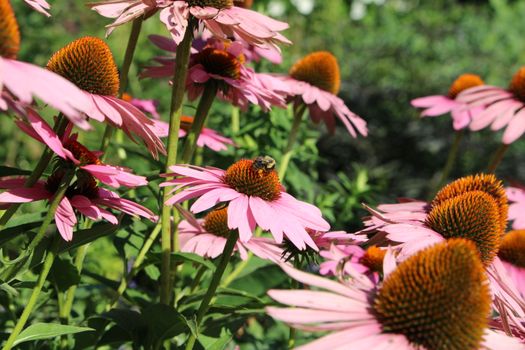
Nature has its own pest control system in the form of beneficial insects and animals. By attracting and supporting these natural predators, you can create a balanced ecosystem where pest populations are kept in check naturally.
Key allies in the garden include:
- Ladybirds (ladybugs): A single ladybird larva can eat up to 400 aphids during its development. - Lacewings: Both adults and larvae feed on aphids, mealybugs, thrips, and whiteflies. - Birds: Many common garden birds, such as robins and wrens, feed on caterpillars and beetles. - Frogs and toads: These amphibians consume slugs, snails, and a variety of insects.To attract these helpers, provide water, native plants, and varied habitats such as hedgerows, wildflower patches, and log piles. Avoid using broad-spectrum pesticides, which can kill both pests and their predators.
Choosing Pest-Resistant Varieties and Companion Planting
A smart way to reduce pest problems is to select plant varieties that are naturally resistant to local pests and diseases. Plant breeders have developed cultivars of vegetables and flowers that can withstand common threats, reducing your need for interventions.
For example:
- ‘Defender’ courgette is resistant to cucumber mosaic virus. - ‘King Edward’ potatoes resist potato cyst nematode. - ‘All Year Round’ lettuce shows better resistance to aphids.Companion planting is another proven technique. Certain plants, when grown together, can repel pests or attract beneficial insects. Classic combinations include:
- Marigolds with tomatoes to deter whiteflies and nematodes. - Garlic and onions near carrots to repel carrot flies. - Nasturtiums alongside cabbages to lure away cabbage white butterflies.This approach not only cuts down on pest issues but also diversifies your garden, which improves resilience and biodiversity.
Homemade Natural Sprays: Safe, Effective, and Easy to Make
While the focus is on avoiding chemicals, there are times when direct intervention is necessary. Homemade sprays made from natural ingredients can help control outbreaks without harming the environment or beneficial creatures.
Some effective options:
- Soap spray: Mix 1 tablespoon of mild liquid soap with 1 liter of water. Effective against aphids, spider mites, and whiteflies. - Neem oil: Derived from the neem tree, this oil disrupts the lifecycle of over 200 pest species. Dilute according to label instructions and spray on affected plants. - Garlic and chili spray: Blend 2 cloves of garlic and 2 hot chilies with water, strain, and dilute to 1 liter. This spicy solution deters chewing insects and some fungi.These sprays should be applied in the early morning or evening to avoid leaf burn and should always be tested on a small area first. Unlike synthetic pesticides, they break down quickly and pose minimal risk to non-target organisms when used properly.
Integrated Pest Management: Comparing Chemical and Non-Chemical Approaches
Integrated Pest Management (IPM) is a holistic strategy that combines multiple methods to manage garden pests in an environmentally responsible way. Let’s compare chemical and non-chemical approaches using key criteria:
| Criteria | Chemical Pesticides | Non-Chemical Methods |
|---|---|---|
| Effectiveness | Quick knockdown; may lead to resistance | Slower but sustainable; targets root causes |
| Impact on Beneficials | Often kills or harms non-target species | Generally safe for pollinators and predators |
| Environmental Risk | Soil, water, and air contamination possible | Minimal pollution; supports biodiversity |
| Cost | Recurring purchase needed | Low long-term cost (barriers, companion plants) |
| Health Concerns | Potential residues on food; risk of poisoning | Safe for children and pets when used as instructed |
As shown, non-chemical methods offer a safer, more sustainable approach for long-term garden health.
Cultural Practices for a Pest-Resilient Garden
How you manage your garden day-to-day has a huge influence on pest problems. Good cultural practices can make plants more resilient and prevent pest outbreaks before they start.
Adopt these habits:
- Rotate crops annually to disrupt pest life cycles. For example, moving carrot crops can reduce carrot fly larvae in the soil by up to 60%. - Remove plant debris and weeds, which can shelter pests. - Water plants at the base early in the day to prevent fungal problems and discourage slugs. - Space plants correctly to ensure good airflow, reducing conditions that attract pests like powdery mildew and aphids.Healthy, unstressed plants are naturally more resistant to pests. Regularly monitor your garden, and act quickly if you spot early signs of damage.
Final Thoughts on Protecting Your Garden from Pests Without Chemicals
Protecting your garden from pests without chemicals is not only possible—it’s often more effective and always more sustainable in the long run. By combining physical barriers, encouraging natural predators, choosing pest-resistant plants, using safe homemade sprays, and practicing sound garden management, you can foster a balanced ecosystem where pests are kept in check naturally. These methods safeguard your health, the environment, and the beneficial creatures that make your garden a vibrant, thriving place. With patience and a thoughtful approach, your garden can flourish—free from both pests and harmful chemicals.