Creating a lush outdoor space doesn’t have to mean spending every weekend with muddy hands and aching knees. For many homeowners and busy professionals, the dream is a beautiful garden that thrives with minimal effort—a retreat to enjoy rather than a chore list to manage. This guide will take you through the essential considerations and best practices for choosing the right plants to establish a low-maintenance garden. Discover the science behind plant selection, the value of native and drought-tolerant species, and practical design strategies to keep your garden looking its best with less work.
The Science Behind Low-Maintenance Plant Choices
The pursuit of a low-maintenance garden starts with understanding the biology and ecology of plants. Not all vegetation is created equal—some species require constant pruning, watering, and pest management, while others are naturally resilient and self-sustaining.
Research shows that selecting plants adapted to your local climate can reduce maintenance by up to 50%. According to the Royal Horticultural Society, gardens planted with region-appropriate species require significantly less water, fertilizer, and pest control. Additionally, perennial plants—which grow back year after year—eliminate the need for annual replanting, further reducing labor.
Key factors impacting plant maintenance include: - $1 Fast-growing plants often need more pruning and can quickly outgrow their space. - $1 Plants with low water requirements are essential for hands-off care, especially as droughts become more common. - $1 Robust species are less likely to succumb to pests or pathogens, limiting the need for chemical treatments.By focusing on these characteristics, you can build a garden that practically takes care of itself.
Top Plant Types for Effortless Gardening
When it comes to creating a low-maintenance garden, plant selection is everything. Here are the main categories of plants that make gardening easier:
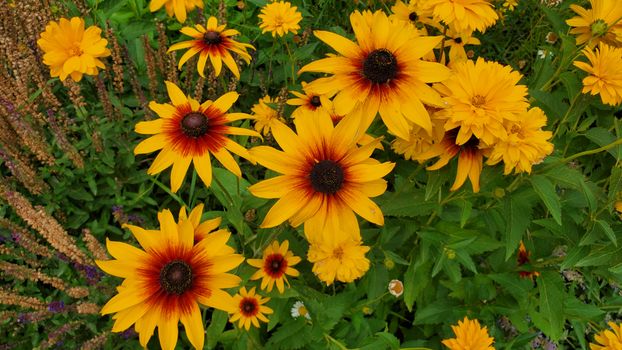
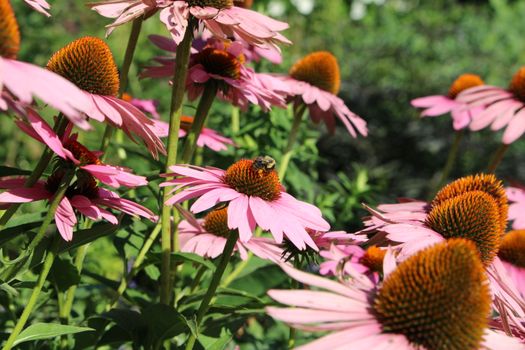
1. $1: These species have adapted to your region’s climate and soil, making them naturally hardy and resistant to local pests. For instance, Black-eyed Susans (Rudbeckia hirta) thrive across much of North America with little intervention. 2. $1: With global rainfall patterns changing, drought-resilient species are more valuable than ever. Lavender (Lavandula spp.) and Russian Sage (Perovskia atriplicifolia) are classic examples that require little watering once established. 3. $1: Plants like boxwood (Buxus sempervirens) and Japanese holly (Ilex crenata) maintain their foliage year-round, providing structure and color with very little upkeep. 4. $1: Species such as creeping thyme (Thymus serpyllum) and ajuga (Ajuga reptans) suppress weeds and reduce the need for mulching or frequent weeding. 5. $1: Varieties like blue fescue (Festuca glauca) and feather reed grass (Calamagrostis acutiflora) require minimal pruning and provide visual interest throughout the seasons.These plant categories can be mixed and matched to suit your tastes and local environment, offering a palette of options for a garden that’s both beautiful and easy to manage.
Comparing Low-Maintenance Plant Options
To help you choose the best plants for your low-maintenance garden, here’s a comparative overview of popular options, their light and water requirements, and their key benefits.
| Plant Name | Type | Light Needs | Water Needs | Key Benefits |
|---|---|---|---|---|
| Lavender | Drought-Tolerant Perennial | Full Sun | Low | Fragrant, attracts pollinators, minimal pruning |
| Boxwood | Evergreen Shrub | Partial to Full Sun | Moderate | Year-round foliage, good for hedges |
| Black-eyed Susan | Native Perennial | Full Sun | Low to Moderate | Long flowering period, attracts butterflies |
| Ajuga | Groundcover | Partial Shade | Low | Suppresses weeds, colorful foliage |
| Feather Reed Grass | Ornamental Grass | Full Sun | Low | Winter interest, architectural structure |
This table illustrates that, for example, lavender and feather reed grass are ideal for sunny, dry spots, while ajuga is better suited for shadier areas. By considering these factors, you can tailor your plant choices to your specific garden conditions.
Design Strategies for a Self-Sustaining Garden
Selecting the right plants is just one piece of the puzzle. Integrating smart design principles can further minimize garden maintenance:
- $1: This approach, called hydrozoning, ensures that thirsty plants are clustered together, making irrigation more efficient and reducing water waste. - $1: Mulching conserves soil moisture, suppresses weeds, and regulates soil temperature. Organic mulches like bark or wood chips can reduce weeding frequency by up to 80%. - $1: Lawns typically require the most upkeep in a garden. Replacing portions of your grass with native groundcovers or ornamental grasses can cut mowing time and water consumption dramatically. - $1: Choose species that offer something to look at across several seasons, such as spring flowers, summer berries, fall color, or winter structure. This reduces the urge to constantly add or replace plants for year-round appeal.Implementing these strategies ensures your garden remains attractive and manageable, even as your schedule fills up.
Soil Preparation and Smart Planting for Less Work
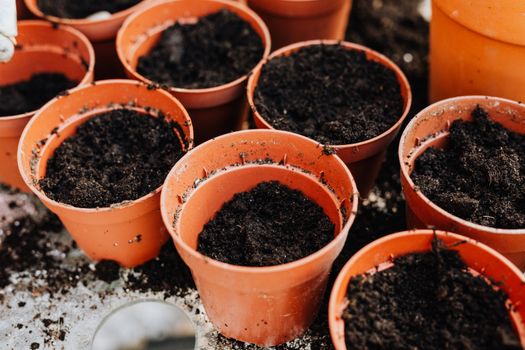
Even low-maintenance plants need a solid foundation to thrive with minimal input. Proper soil preparation is the key step that’s often overlooked but can save countless hours in the long run.
- $1: A simple test kit (available for under $20 at most garden centers) will reveal if your soil is sandy, clay-heavy, acidic, or alkaline. Adjustments, such as adding compost or lime, can make a big difference in plant health. - $1: Incorporating compost or well-rotted manure improves soil structure and nutrient content, making it easier for roots to grow and reducing the need for supplemental fertilizers. - $1: Most perennials and shrubs establish best when planted in the fall or early spring. This gives them time to root before summer heat or winter cold, lowering the risk of transplant shock and extra watering.Fact: According to the University of Minnesota Extension, gardens with properly amended soil can reduce the need for fertilizers by up to 70% compared to unamended plots.
Common Pitfalls to Avoid in Low-Maintenance Gardening
Even with the best intentions, it’s easy to make mistakes that undermine your low-maintenance goals. Here are some frequent missteps:
- $1: Plants that aren’t suited to your climate or that have high water or pruning needs can quickly turn your garden into a time sink. - $1: Planting too closely leads to competition for resources and encourages disease. Always check mature plant sizes and space accordingly. - $1: Some ornamental plants are magnets for pests or susceptible to common diseases, requiring regular treatment. Research options that are proven to be resilient in your area.A study by the American Society for Horticultural Science found that gardens with predominantly native and resistant varieties saw 40% fewer pest outbreaks than those with exotic ornamentals.
Final Thoughts on Choosing Plants for Low-Maintenance Gardens
Designing a low-maintenance garden is about working smarter, not harder. By focusing on climate-adapted, drought-tolerant, and resilient plant options—and combining them with smart design choices like hydrozoning and soil preparation—you can enjoy an inviting outdoor space that fits your lifestyle.
Remember, the right plant in the right place is the golden rule for effortless gardening. Take the time to research species best suited to your location, and invest in soil quality and smart layout. The result? A garden that’s as rewarding as it is relaxing, offering beauty year after year with minimal upkeep.