Growing Medicinal Plants: A Guide for Beginners
Cultivating your own medicinal plants is a rewarding way to reconnect with nature, enhance your well-being, and foster a sense of self-reliance. As interest in natural remedies surges—recent studies show a 37% rise in home herbalism across Europe since 2020—many are discovering the joys of growing healing herbs just steps from their kitchen. Whether you're seeking a soothing tea for relaxation, a topical remedy for minor wounds, or a fragrant addition to your culinary creations, a personal medicinal garden offers fresh, organic ingredients and deep satisfaction. This guide will walk you through the essentials of starting your own medicinal plant garden, debunk common myths, and help you make informed choices for your health and home.
Understanding Medicinal Plants: Beyond the Basics
Medicinal plants are species that contain naturally occurring compounds used for their therapeutic effects. Unlike pharmaceuticals, which often isolate a single active ingredient, medicinal herbs offer a complex blend of substances that work in synergy. According to the World Health Organization, over 80% of the world’s population relies on traditional plant-based medicine for primary healthcare. This global trend reflects not only cultural tradition but also the growing scientific validation of herbal remedies.
Some common medicinal plants you might recognize include:
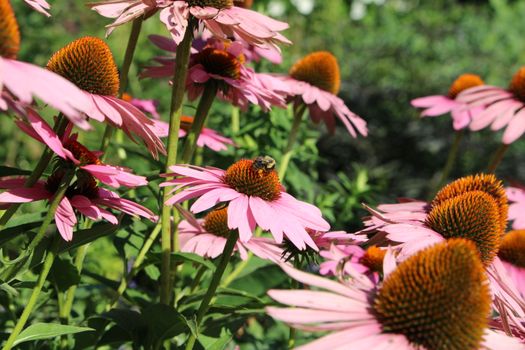
- Chamomile (Matricaria recutita), known for its calming properties - Echinacea (Echinacea purpurea), used to support immune health - Calendula (Calendula officinalis), valued for skin healing - Peppermint (Mentha × piperita), for digestive comfortEach plant has unique requirements and benefits, so understanding their profiles is key to a successful medicinal garden.
Choosing the Right Medicinal Plants for Your Garden
For beginners, selecting the right plants is the gateway to a thriving garden and effective home remedies. Start with species that are:
- Well-suited to your climate and soil - Easy to grow and maintain - Useful for your specific wellness goalsHere’s a comparison table to help you decide which medicinal plants to start with:
| Plant | Main Use | Climate Suitability | Ease of Cultivation | Harvest Time |
|---|---|---|---|---|
| Chamomile | Calming, sleep aid | Temperate | Very easy | 6-8 weeks after sowing |
| Lavender | Relaxation, skin care | Dry, sunny climates | Moderate | Late spring to midsummer |
| Lemon Balm | Stress relief, antiviral | Cool to warm | Very easy | 60 days after planting |
| Calendula | Wound healing, anti-inflammatory | Cool to moderate | Easy | 6-8 weeks after sowing |
| Thyme | Antimicrobial, coughs | Mediterranean, full sun | Easy | After 3 months |
Starting with 3-5 of these beginner-friendly herbs allows you to learn their growth patterns without feeling overwhelmed. As you gain confidence, you can experiment with more challenging species like valerian or goldenseal.
Planning and Preparing Your Medicinal Herb Garden
A successful medicinal garden starts with thoughtful planning. Here’s how to lay the groundwork:
1. $1 Most medicinal herbs thrive in full sun with well-drained soil. If space is limited, containers or raised beds are excellent alternatives. A study by the Royal Horticultural Society found that 68% of urban gardeners successfully grow herbs in pots on balconies. 2. $1 Herbal plants generally prefer slightly alkaline to neutral soils (pH 6.5-7.5). Enrich your soil with organic compost for better moisture retention and nutrition. Avoid heavy fertilization; most medicinal herbs are more potent when grown in modest conditions. 3. $1 Group herbs with similar water and sunlight needs for easier maintenance. Companion planting—such as growing basil near chamomile—can boost yields and deter pests naturally. 4. $1 While herbs like mint appreciate consistent moisture, others such as lavender and thyme thrive on neglect and prefer dry conditions. Overwatering is a common mistake that can lead to root rot. 5. $1 Plant frequently used herbs near your kitchen or along a pathway. This encourages regular harvesting and care, making your medicinal garden both functional and beautiful.Essential Tips for Growing and Harvesting Medicinal Herbs
Cultivating medicinal plants is both an art and a science. Here are practical tips to ensure your garden flourishes:
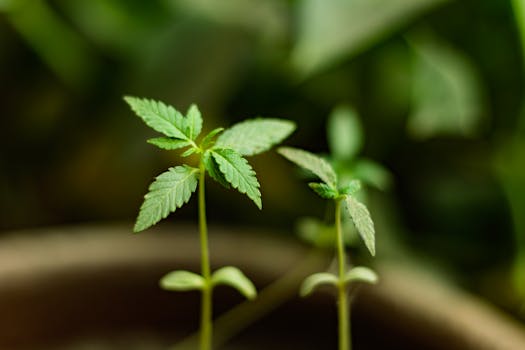
- $1 Most seeds germinate best in spring, but some—like calendula—can also be sown in late summer for a fall crop. - $1 Overcrowding reduces airflow and can foster disease. For robust plants, thin seedlings to the recommended spacing, usually 15-30 cm apart. - $1 Frequent harvesting encourages bushier growth and higher yields. For example, snipping mint or lemon balm every 2-3 weeks prevents them from becoming leggy. - $1 While many medicinal herbs are naturally pest-resistant, aphids and slugs may still appear. Hand-pick pests or use organic deterrents like neem oil if needed. - $1 Essential oils and medicinal compounds are most concentrated just before the plant flowers, or in the early morning. For instance, harvest chamomile blossoms when petals are fully open, and cut thyme before its tiny flowers appear.According to a 2023 survey by the Czech Gardening Association, 74% of home herbalists reported that their first harvest yielded enough herbs for at least six months of home remedies.
Safe Use and Storage of Homegrown Medicinal Plants
While growing your own medicine is empowering, safety is paramount. Always:
- $1 Mistaken identity can lead to toxic exposures. Double-check plant labels and use reputable seed sources. - $1 Herbal remedies are potent. Consult reliable sources or a qualified herbalist before using large amounts, especially for children, pregnant women, or those on medication. - $1 Most herbs retain their properties for 6-12 months when dried in a cool, dark place. Store dried leaves and flowers in airtight glass jars, away from sunlight. - $1 Include the plant name and harvest date. This prevents confusion and ensures you use herbs at peak potency. - $1 New research on herbal safety and efficacy is published regularly. For example, recent studies have found that lemon balm’s antiviral activity is most pronounced when used fresh, rather than dried.Growing Medicinal Plants: Sustainable and Community Benefits
Beyond personal wellness, cultivating medicinal plants brings broader advantages:
- $1 Herbs attract pollinators like bees and butterflies. Lavender, for instance, supports over 100 species of pollinators. - $1 Growing your own remedies eliminates packaging waste and transportation emissions associated with store-bought supplements. - $1 Surplus harvests can be shared with friends, neighbors, or local herbalist groups, fostering community resilience and knowledge exchange. - $1 Children and adults alike can learn about botany, traditional medicine, and sustainable living through hands-on gardening.According to Eurostat, community herb gardens have doubled in European cities since 2018, underscoring the growing movement toward local, sustainable healthcare.
Final Thoughts on Starting Your Medicinal Plant Garden
Growing medicinal plants at home is more than just a hobby; it’s an invitation to a healthier, more sustainable lifestyle. By starting small, choosing easy-to-grow herbs, and learning the basics of cultivation and safe use, you can create a personal apothecary that supports your well-being year-round. Remember, the most potent garden is one that’s cared for consistently and with curiosity. As you nurture your plants, you’ll find that they, in turn, nurture you—body, mind, and spirit.