Starting a permaculture garden in the Czech Republic offers a unique opportunity to create a productive, resilient, and sustainable ecosystem tailored to the region’s distinct climate and soil conditions. While permaculture principles are universal, the Czech environment—with its cool temperate climate, varied rainfall, and traditional land-use patterns—requires specific strategies for success. Whether you’re a beginner or an experienced gardener, this guide will walk you through essential steps, practical tips, and local insights on launching your own permaculture garden in Czech conditions.
Understanding Permaculture and Its Benefits in Czech Gardens
Permaculture, coined from “permanent agriculture,” is an approach that works with nature, not against it. It emphasizes biodiversity, resource efficiency, and closed-loop systems that mimic natural ecosystems. In the Czech Republic, where average annual temperatures range from 5°C in mountainous regions to about 10°C in lowlands, and yearly precipitation varies from 450 mm to 1,400 mm depending on location, permaculture can help stabilize yields and reduce dependency on external inputs.
Key benefits of permaculture in the Czech context include:
- Improved resilience to weather extremes (droughts, late frosts) - Enhanced soil fertility through organic matter recycling - Lower water usage due to mulching and water-harvesting features - Increased biodiversity, attracting beneficial insects and birds - Reduced reliance on chemical fertilizers or pesticidesAccording to the Czech Statistical Office, over 60% of Czechs with gardens grow at least some of their own food. Permaculture methods can help maximize productivity and sustainability, even on small plots common in suburban and village environments.
Site Assessment: Adapting to Czech Climate and Soil
Before digging your first bed or planting a seed, it’s crucial to thoroughly assess your garden space. Czech conditions can vary greatly: from the relatively dry, sandy soils of central Bohemia to heavy clay in Moravia or the rocky, cooler uplands. Start with these steps:
1. $1 Most Czech gardens receive 1,500–1,800 hours of sunshine annually. Map where sun and shade fall throughout the day and year—this will determine optimal placement for beds, trees, and water features. 2. $1 Czech soils range from acidic podzols to fertile chernozems. Use a simple pH test kit (available at garden centers) or send a sample to the Výzkumný ústav rostlinné výroby (Research Institute of Crop Production). Ideal pH for most vegetables is 6.0–7.0. 3. $1 Heavy rain or spring thaw can cause waterlogging, especially in clay soils. Dig test holes and observe how quickly water drains. Consider adding raised beds or swales on slopes to manage water flow. 4. $1 Sheltered spots near walls or hedges may be warmer, extending your growing season. Exposed sites may need windbreaks to protect young plants.By matching your design to your site’s unique features, you’ll avoid common frustrations and set your garden up for long-term success.
Designing Your Czech Permaculture Garden: Zoning and Plant Selection
Permaculture design uses the concept of zones—placing elements according to how often you interact with them. In a typical Czech garden (often 200–1000 m²), thoughtful zoning makes maintenance easier and maximizes productivity.
- $1 Closest to your house; ideal for kitchen herbs, salad greens, and perennial vegetables you harvest daily. - $1 For main crop beds, berry bushes, currant shrubs (rybíz, angrešt), and dwarf fruit trees. - $1 Less managed areas for larger fruit trees (apple, pear, plum), hazelnuts, or wildlife habitats. - $1 If space allows, a wild meadow, woodlot, or pond for biodiversity and natural resources.Selecting plants suited to Czech conditions is key. Local varieties are more resilient to late spring frosts (which can occur as late as mid-May) and autumn cold snaps. Consider:
- $1 Traditional Czech varieties of apple (‘Matčino’, ‘Průsvitné letní’), pear (‘Williamsova’), plum (‘Švestka domácí’), and cherry (‘Morela’). - $1 Asparagus, rhubarb, horseradish, and wild garlic (medvědí česnek). - $1 White clover, lupin, or Siberian pea shrub (caragana) to enrich soil naturally. - $1 Phacelia, borage, and native wildflowers support bees and beneficial insects.Water Management Techniques for Czech Gardens
Water is a limiting factor in many Czech gardens, especially in the drier lowlands where summer droughts are increasingly common. Permaculture offers several approaches to conserve and manage water:
- $1 Install barrels (sudy) to collect rain from roofs—1 mm of rainfall on a 100 m² roof yields 100 liters of water. With average summer rainfall of 60–90 mm/month, even a small system can supply thousands of liters over a season. - $1 On slopes, dig shallow trenches (swales) along contour lines to capture rain and reduce runoff. This slows water movement and encourages infiltration. - $1 Cover soil with straw, wood chips, or leaf litter. Mulch reduces evaporation, suppresses weeds, and feeds soil life. Studies in Czech orchards show up to 30% less water loss with mulching. - $1 Choose deep-rooted or Mediterranean species for exposed sites.Here is a comparison of common water management methods for Czech gardens:
| Method | Water Savings (%) | Main Benefits | Estimated Cost (CZK) |
|---|---|---|---|
| Rainwater Collection | Up to 40% | Reduces tap water use, stores water for dry spells | 1,000–3,000 (for 500L barrel and gutters) |
| Mulching | 20–35% | Prevents soil drying, suppresses weeds | 0–800 (if using local materials) |
| Swales/Contour Beds | 15–30% | Improves infiltration, reduces erosion | 0–2,000 (DIY, depending on size) |
| Drip Irrigation | Up to 50% | Precise water delivery, efficient for vegetables | 2,000–5,000 (for 100 m²) |
Building Soil Fertility the Permaculture Way
Healthy soil is the foundation of any permaculture garden. Czech soils, while generally fertile, can be compacted or low in organic matter after years of conventional gardening. Restore fertility naturally with these strategies:
- $1 Set up a compost pile or bin for kitchen scraps, grass clippings, and leaves. In Czech conditions, a well-managed compost can reach 60–70°C in summer, killing weed seeds and pathogens. Finished compost enriches beds and improves structure. - $1 Layer cardboard, compost, straw, and manure directly on the ground in autumn. By spring, you’ll have a rich, weed-free bed ideal for planting. - $1 Sow cover crops like field peas (hrách), vetch (vikve), or buckwheat (pohanka) in fall. These suppress weeds, fix nitrogen, and add organic matter when dug in before spring planting. - $1 Avoid turning the soil, which damages beneficial fungi and earthworms. Instead, add organic material on top and let soil life do the work.A study by Mendel University in Brno found that Czech no-dig gardens had 27% higher earthworm populations and up to 15% greater vegetable yields compared to conventional tilling plots.
Extending the Growing Season in Czech Permaculture Gardens
The Czech growing season typically runs from late April to early October, but permaculture methods can help you start earlier and harvest later:
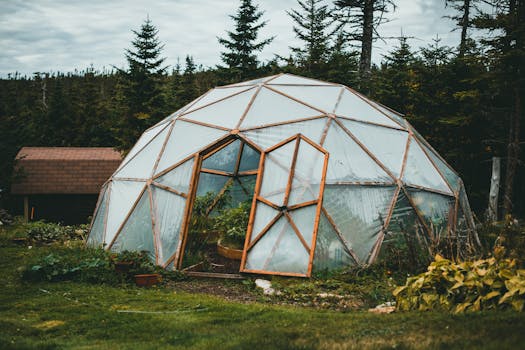
- $1 Use clear plastic tunnels or recycled PET bottles to protect seedlings from late frosts. - $1 Simple wooden frames with glass or polycarbonate lids trap warmth, allowing you to sow lettuce, spinach, or radishes 2–4 weeks earlier than in open soil. - $1 Mix fast- and slow-growing crops in the same bed (e.g., radish and carrot, lettuce and pea) to maximize space and reduce pest outbreaks. - $1 Plant rhubarb, sorrel, and wild garlic—these emerge early in spring and yield for years with minimal care.By using these techniques, you can harvest fresh greens as early as March and continue picking hardy crops like kale and leeks into December, even in harsher Czech climates.
Final Thoughts: Creating a Resilient Czech Permaculture Garden
Starting a permaculture garden in the Czech Republic is both rewarding and practical. By observing your site, choosing resilient local crops, managing water efficiently, building healthy soil, and extending your growing season, you’ll create a garden that thrives year after year. Permaculture isn’t about perfection or instant results; it’s about thoughtful design and continuous learning. As you adapt your garden to Czech conditions, you’ll join a growing community of gardeners who value nature-friendly, self-sustaining food production.