Planning a garden that offers beauty, harvest, and interest throughout all four seasons is a rewarding challenge. Many gardens peak in spring or summer, but with careful planning, your outdoor space can provide color, texture, and enjoyment the whole year round. Whether you are starting from scratch or renovating an existing plot, a four-season garden is achievable with thoughtful plant selection, clever design, and smart maintenance. This article will guide you through the key steps and considerations to create a vibrant, ever-changing garden that delights in winter as much as in summer.
The Essentials of Four-Season Garden Planning
A successful four-season garden is built on the foundation of diversity and structure. Unlike a traditional garden that may focus on a single burst of color, a year-round garden relies on layers of interest: evergreens for winter backbone, spring bulbs for early color, summer perennials for lushness, and autumn foliage for a final flourish.
Start by dividing your garden into distinct areas or ‘rooms’ that can be tailored for specific seasonal highlights. Use pathways, hedges, or trellises to create visual separation. Think vertically as well as horizontally: trees, shrubs, and climbers offer structure and shelter, while groundcovers soften hard edges and keep soil healthy.
Incorporate these key design principles: - Layering: Combine tall, medium, and low-growing plants for depth. - Repetition: Repeat shapes, colors, or plant varieties to create unity. - Focal Points: Include features like benches, sculptures, or specimen plants to draw the eye in every season.Research from the Royal Horticultural Society shows that gardens with a mixture of trees, shrubs, and perennials host up to 50% more wildlife and provide a more resilient ecosystem compared to single-plant-type beds.
Choosing Plants for Year-Round Interest
Plant selection is at the heart of a four-season garden. The goal is to ensure that something is always catching the eye, whether it's flowers, foliage, berries, bark, or structure. Here’s how to approach it:
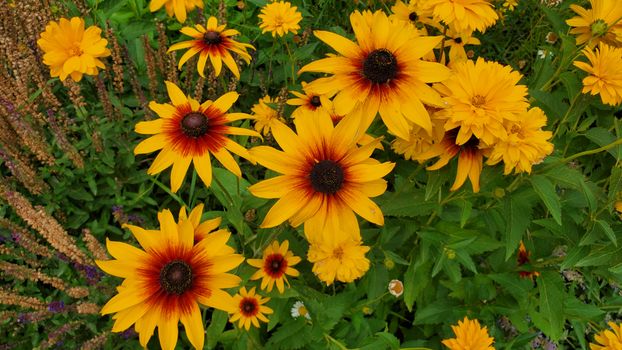
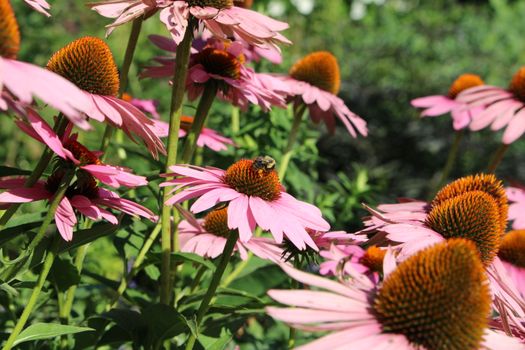
Spring: Focus on bulbs like tulips, crocuses, and daffodils for early color, paired with flowering shrubs such as forsythia or magnolia. Summer: Include classic perennials (like echinacea, daylilies, and salvia) and annuals for ongoing blooms. Ornamental grasses add movement and texture. Autumn: Choose trees and shrubs with striking fall foliage (maples, sumac, burning bush) and late-bloomers like asters and sedum. Plants with berries (e.g., viburnum, holly) also shine. Winter: Evergreens (boxwood, yew, spruce) provide structure and color. Consider plants with attractive bark (birch, dogwood) or persistent seedheads (coneflower, hydrangea).
To help you compare the value of different plant groups across the seasons, see the table below:
| Plant Type | Spring | Summer | Autumn | Winter |
|---|---|---|---|---|
| Bulbs | High | Low | Low | Low |
| Perennials | Medium | High | Medium | Low |
| Shrubs | Medium | Medium | High | Medium |
| Trees | Low | Medium | High | Medium |
| Evergreens | Medium | Medium | Medium | High |
This overview highlights the importance of mixing plant types to ensure no season is left barren.
Designing with Color, Texture, and Structure
Color is often the most noticeable element of any garden, but texture and structure are what sustain interest beyond the flowering season. To design a garden that appeals in all four seasons, balance bold colors with subtle textures and reliable shapes.
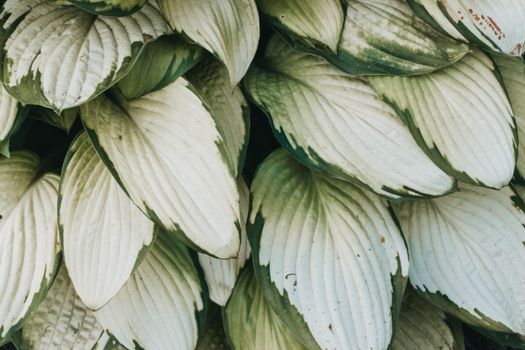
- $1 Use a palette that evolves through the year. For instance, pair spring pinks and yellows with the deeper blues and reds of late summer, followed by the golds and bronzes of autumn. - $1 Mix fine-leaved plants (like ferns and ornamental grasses) with bold-leaved ones (hostas, bergenia). Texture becomes especially important in the quieter months. - $1 Incorporate evergreens and woody plants for year-round form. Even in the depths of winter, clipped boxwood balls, architectural grasses, or the peeling bark of a river birch catch the low sun and add drama.A 2021 survey by Gardening Which? found that 73% of gardeners who planned with all three elements—color, texture, and structure—rated their gardens as “highly satisfying” year-round, compared to only 45% who focused on color alone.
Smart Succession Planting for Continuous Display
Succession planting is the practice of arranging plants so that as one fades, another takes its place, ensuring continuous color and interest. This technique is not just for vegetables; it’s invaluable in ornamental gardens as well.
- Layer bulbs beneath perennials so that as the bulbs die back in late spring, emerging perennials hide their fading foliage. - Group early-, mid-, and late-season bloomers together, such as pairing crocuses (early), tulips (mid), and alliums (late). - Use overlapping groundcovers and self-seeding annuals to fill gaps.For example, a border might begin the year with snowdrops, move into daffodils, followed by peonies, then daylilies, and finally aster and ornamental grasses for autumn. The result is a border that never looks empty.
In Prague’s Botanic Garden, one perennial border was recorded to maintain at least 30% floral coverage from March through November by using layered and succession planting techniques.
Practical Maintenance Tips for the Year-Round Garden
Maintaining a garden designed for all seasons requires a slightly different approach than a traditional summer-focused plot. Here are some essential tips:
- $1 Apply mulch in spring and autumn to suppress weeds, retain moisture, and insulate roots during winter. - $1 Time your pruning to maximize seasonal display—prune spring-flowering shrubs right after they bloom, and cut back summer-flowering ones in late winter. - $1 Feed soil with compost at least once a year. Healthy soil supports vigorous growth and more resilient plants. - $1 Every few years, relocate annuals or divide mature perennials to avoid soil exhaustion and encourage variety. - $1 In autumn, remove diseased leaves but leave seedheads and some stems for winter interest and wildlife shelter.A study by the University of Sheffield found that gardens with regular mulching and composting had 25% more flowering days per year compared to those that relied on chemical fertilizers alone.
Adaptations for Small Spaces and Urban Gardens
Even if you only have a balcony, courtyard, or small plot, you can still enjoy a four-season garden. The key is maximizing space and choosing versatile plants.
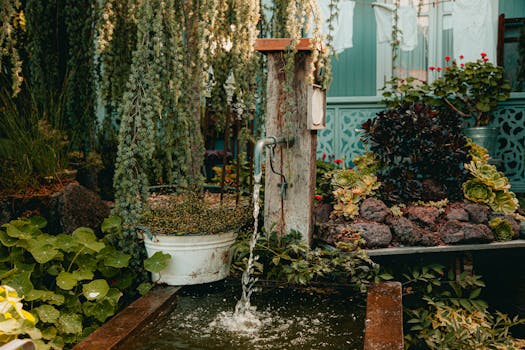
- $1 Use pots to grow bulbs, dwarf evergreens, and compact perennials. Move them to center stage as their season peaks. - $1 Utilize walls and fences for climbers like clematis, honeysuckle, or ivy, which offer year-round coverage. - $1 Group plants with different seasonal peaks together in containers or raised beds. - $1 Select plants that offer two or more features, such as hellebores (winter flowers, evergreen leaves) or Japanese maple (delicate spring leaves, fiery autumn color).A 2022 survey by the European Garden Living Association found that 58% of urban gardeners now use containers and vertical structures to enjoy four-season interest in spaces under 30 square meters.
Harvesting the Rewards: Year-Round Enjoyment and Value
A garden planned for four seasons isn’t just about aesthetics—it offers practical and emotional rewards. Year-round gardens support biodiversity, provide habitats for birds and pollinators, and create a calming retreat in every month.
Real estate studies show that properties with a well-designed four-season garden can see value increases of 5-15%, as buyers appreciate the extended usability and curb appeal.
Moreover, the continuous connection to nature has been proven to reduce stress and improve well-being. In a 2023 study by the University of Vienna, participants with access to four-season gardens reported 20% higher satisfaction with their outdoor spaces than those with single-season gardens.