Healthy soil is the cornerstone of a thriving garden, yet many gardeners overlook one of the simplest tools for improving it: mulch. Mulching is more than just a way to neaten up your flowerbeds; it directly impacts soil vitality, moisture retention, temperature regulation, and even the suppression of plant diseases. Whether you’re nurturing vegetables, ornamental borders, or fruit trees, understanding how to effectively use garden mulch can transform your soil and boost your garden’s long-term productivity.
Understanding the Science: How Mulch Impacts Soil Health
Mulch refers to any material—organic or inorganic—spread over the surface of the soil. Its primary purpose is to protect and nourish the ground. When applied correctly, mulch creates a microenvironment that fosters beneficial microbial activity, conserves moisture, and moderates soil temperature.
Research from the University of California Agriculture and Natural Resources found that mulched soils retained up to 25% more moisture compared to bare soils. This is crucial during hot summers or droughts, as it reduces the need for frequent watering. Moreover, organic mulches, as they decompose, gradually release nutrients such as nitrogen, phosphorus, and potassium, enriching soil fertility.
Microbial life also thrives under mulch. Studies have shown that earthworm populations can be up to three times higher in mulched beds because the mulch provides a cool, moist habitat and a steady food source. These earthworms, in turn, aerate the soil and break down organic matter, further improving soil structure.
Choosing the Right Mulch: Organic vs Inorganic Options
Not all mulches are created equal. The choice between organic and inorganic mulch affects soil health, garden aesthetics, and maintenance needs. Here’s a comparative overview:
| Type | Examples | Benefits | Considerations |
|---|---|---|---|
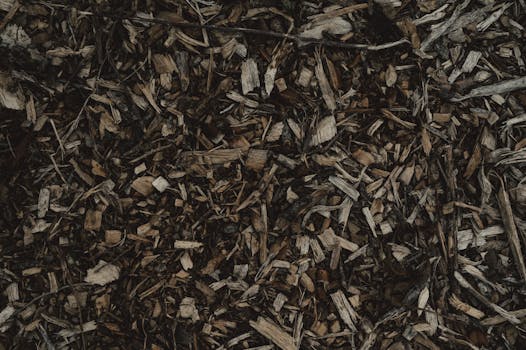
| Organic | Wood chips, straw, leaves, grass clippings, compost | Improves soil structure, adds nutrients, supports soil life | Needs replenishing, may attract pests if not managed |
| Inorganic | Gravel, rubber mulch, landscape fabric | Long-lasting, excellent for weed suppression | No nutrient contribution, may hinder soil life |
Organic mulch is generally preferred for soil health because it decomposes over time, feeding the soil and its inhabitants. For example, shredded bark and leaf litter are ideal for perennial borders, while straw or untreated grass clippings suit vegetable gardens. In contrast, inorganic mulches like gravel are best for pathways or areas where minimal maintenance is desired, but they do not improve soil fertility.
Proper Application Techniques for Maximum Benefit
Applying mulch may seem straightforward, but technique matters. Too much mulch can suffocate plant roots or foster disease, while too little may fail to deliver the intended benefits.
The ideal mulch depth for most gardens is 5 to 8 cm (about 2 to 3 inches). For finer materials like compost or grass clippings, stick to the lower end to prevent matting and waterlogging. For coarser materials like bark or straw, the upper range helps suppress weeds and insulate roots.
Here are essential application tips:
- $1 Remove weeds and water the soil before mulching. - $1 Leave a 5 cm (2-inch) gap around trunks and stems to prevent rot. - $1 Most organic mulches break down within a year—refresh your layer each spring or fall. - $1 Check soil moisture under the mulch regularly, especially after heavy rains.A 2022 survey by the National Gardening Association found that 65% of gardeners who mulched properly reported fewer plant losses due to root diseases, compared to only 38% among those who did not mulch or did so inconsistently.
Timing Matters: When to Mulch for Optimal Results
The timing of mulch application can dramatically affect its impact on soil health. The best periods are typically late spring, after the soil has warmed up, and early autumn, as plants wind down for winter.
Spring mulching locks in moisture from spring rains and prevents weed seeds from germinating as temperatures climb. For vegetables, wait until the soil reaches at least 13°C (55°F) to ensure seeds and young plants get enough warmth.
Autumn mulching, on the other hand, protects perennial roots from winter freeze-thaw cycles and continues feeding soil organisms during the dormant season. Leaf mold or pine needles are especially beneficial for overwintering beds.
Avoid mulching frozen or waterlogged soil, as this traps excess moisture and can encourage fungal diseases.
Specialized Mulching Strategies for Different Garden Areas
Not every part of your garden will benefit from the same mulching approach. Tailoring your mulch type and technique to specific areas can maximize soil health benefits.
- $1 Use lightweight, fast-decomposing mulches like straw, untreated grass clippings, or shredded leaves. These break down quickly, adding organic matter and allowing for easy planting and harvesting. - $1 Shredded bark or wood chips are excellent, as they last longer and create a polished appearance. Avoid using fresh wood chips directly on annual flower beds, as they may temporarily tie up soil nitrogen. - $1 Apply a wide mulch ring (up to 1 meter/3 feet in diameter) to keep roots cool and prevent competition from grass. Maintain a mulch-free zone right at the base to prevent trunk rot. - $1 Gravel, pine bark nuggets, or even landscape fabric topped with decorative stone provides weed suppression without the need for annual renewal. However, these do not feed the soil, so use them only in non-planting zones.A 2021 study in the journal "HortScience" found that mulched fruit trees produced 15% more fruit on average than those grown with bare soil, largely due to improved soil moisture and reduced competition from weeds.
Common Mulching Mistakes and How to Avoid Them
While mulching is a straightforward practice, certain mistakes can undermine its benefits or harm your plants. Here are frequent pitfalls and how to avoid them:
- $1 Piling mulch too thickly (over 10 cm/4 inches) can suffocate roots, reduce oxygen flow, and create a haven for disease. - $1 Stacking mulch against tree trunks ("mulch volcanoes") encourages rot and pest problems. Always keep mulch several centimeters away from woody stems. - $1 Never mulch with plant material that may contain weed seeds or disease pathogens, as this can introduce problems into your soil. - $1 Organic mulches decompose; failing to top up annually means you lose weed suppression and soil improvement benefits.A survey by Gardeners’ World Magazine in 2023 revealed that gardens with proper mulching saw a 30% reduction in time spent weeding and watering, compared to unmulched plots.
Key Takeaways: Mulch as a Tool for Sustainable Soil Health
Mulching is a time-tested, science-backed strategy for enriching your garden’s soil, conserving moisture, and reducing maintenance. Whether you’re growing tomatoes or ornamental shrubs, choosing the right mulch and applying it properly can yield remarkable improvements in plant health and productivity.
By understanding the differences between mulch types, applying the right depth at the right time, and avoiding common mistakes, you can harness the full power of mulch to create a vibrant, sustainable garden ecosystem.