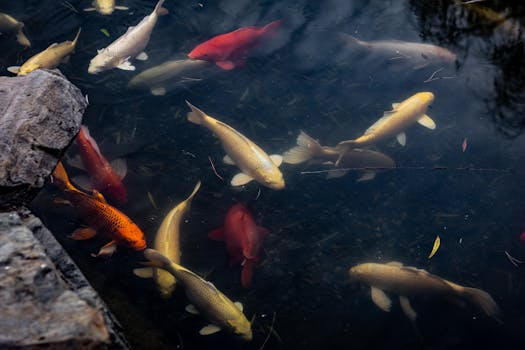
A Tranquil Oasis: Maintenance and Care of Garden Ponds for Beginners
There’s something enchanting about a garden pond—the gentle ripple of water, the glint of sunlight on the surface, and the chorus of frogs and dragonflies. For many homeowners, a pond transforms a garden into a living ecosystem, attracting wildlife and offering a peaceful retreat. But the magic doesn’t happen by accident. A thriving pond requires thoughtful maintenance and regular care, especially for beginners. With the right knowledge and a bit of routine, even the most inexperienced gardener can enjoy a healthy, beautiful garden pond year-round.
In this comprehensive guide, we’ll walk you through the essential steps of garden pond maintenance, demystify common pond problems, explain seasonal care, and offer practical tips for keeping your water feature vibrant and clear. Whether you’ve just installed your first pond or inherited one with a new home, you’ll discover how to nurture this unique corner of your garden with confidence.
Understanding the Garden Pond Ecosystem
Before delving into maintenance routines, it’s crucial to understand what makes a garden pond tick. Unlike a swimming pool, a pond is a living ecosystem. It’s home to plants, fish, insects, beneficial bacteria, and microscopic organisms—all interacting in a delicate balance. This balance is key to sustaining clear water, healthy plants, and thriving wildlife.
A typical backyard pond can hold anywhere from 800 to 5,000 liters of water. Even a small pond supports a surprising amount of biodiversity. According to a 2022 study by the British Trust for Ornithology, a single garden pond can attract over 50 different species of wildlife in just one summer.
Three main elements keep your pond’s ecosystem healthy: - $1 The right balance of oxygen, nutrients, and pH supports all pond life. - $1 Marginal plants, floating species, and submerged oxygenators help filter water and provide habitats. - $1 Fish, frogs, snails, and insects all contribute to the natural cleaning process.Understanding that your pond is a living system will shape how you approach its care. The goal isn’t sterile perfection, but a dynamic balance that allows both beauty and biodiversity to flourish.
Essential Weekly and Monthly Pond Maintenance Tasks
Even the most natural-looking ponds benefit from regular attention. For beginners, establishing a routine is the best way to prevent small issues from becoming big problems. Here’s a breakdown of essential weekly and monthly tasks:
$1 - Skim debris: Remove fallen leaves, twigs, and surface algae with a pond net. - Check water level: Top up with rainwater or dechlorinated tap water if needed. - Observe fish and plants for signs of disease or distress. $1 - Clean filter media: Rinse pond filters in a bucket of pond water (not tap water) to preserve beneficial bacteria. - Test water quality: Use a pond test kit to monitor pH (ideal: 6.5–8.5), ammonia, nitrite, and nitrate levels. - Trim plants: Prune dead foliage and thin out overgrown plants to maintain a healthy balance. - Inspect pumps and fountains: Ensure all equipment is running smoothly and clean any blockages.In a 1,500-liter pond, a single tree can drop as much as 10 kilograms of leaves each autumn, quickly overwhelming the system if not removed. A little routine care saves time and helps keep your pond water clear and healthy.
Combatting Algae and Water Clarity Issues
Algae is a common challenge for new pond owners. While a little algae is natural—and even beneficial for pond life—an excessive bloom can turn water green, reduce oxygen, and harm fish.
There are two main types of algae: - $1 Microscopic, free-floating, gives water a pea-soup appearance. - $1 Long, filamentous strands that tangle around plants and equipment.Tackling algae involves a mix of prevention and intervention:
1. $1 Covering 50–70% of the pond surface with floating plants like water lilies or duckweed prevents sunlight from fueling algae growth. 2. $1 Excess nutrients from fish waste, decaying plants, or lawn fertilizers can feed algae. Limit fish numbers (no more than 1 kg of fish per 1,000 liters of water) and avoid overfeeding. 3. $1 Submerged plants such as hornwort and elodea compete with algae for nutrients and release oxygen. 4. $1 For persistent green water, UV clarifiers installed in the filtration system kill free-floating algae cells.Here’s a quick comparison of common algae control methods:
| Method | Effectiveness | Cost | Pros | Cons |
|---|---|---|---|---|
| Manual Removal | Moderate | Low | Immediate results, eco-friendly | Labor-intensive, temporary |
| UV Clarifier | High (for green water) | Moderate-High | Low maintenance, fast results | Requires power, doesn't remove string algae |
| Floating Plants | High | Low | Natural, improves habitat | Needs regular thinning |
| Chemical Algaecides | Variable | Varies | Quick action | Can harm wildlife, temporary |
Remember: The healthiest ponds rely on prevention and natural balance rather than quick chemical fixes.
Seasonal Pond Care: Spring, Summer, Autumn, and Winter
A garden pond’s needs shift with the seasons. Adapting your care routine will keep your water feature healthy all year.
$1 - Remove winter debris: Clear out leaves and dead plant matter to prevent decay. - Restart pumps and filters: Ensure everything is clean and functioning after winter storage. - Divide and repot plants: Early spring is ideal for managing plant growth before the season starts. $1 - Monitor water levels: Hot weather increases evaporation—topping up with rainwater helps maintain balance. - Increase aeration: Warm water holds less oxygen; consider adding a fountain, air stone, or waterfall. - Watch for algae blooms: Shade the pond and thin out oxygenators if needed. $1 - Net the pond: Prevent falling leaves from clogging the water. - Reduce feeding: As temperatures drop below 10°C, fish metabolism slows; stop feeding by late autumn. - Cut back plants: Remove dying foliage and trim back marginals. $1 - Keep ice at bay: If your pond freezes, float a tennis ball or use a pond heater to maintain a small hole for gas exchange. - Avoid disturbing wildlife: Frogs and newts may be hibernating at the bottom; leave sediment undisturbed. - Turn off pumps (if needed): In very cold climates, remove and store pumps to prevent damage.According to the Royal Horticultural Society, a properly winterized pond can support amphibians and overwintering insects, contributing to garden biodiversity even in the coldest months.
Pond Equipment: Choosing and Caring for Filters, Pumps, and Accessories
While a natural pond can survive with minimal equipment, most garden ponds benefit from a few key devices. Here’s what beginners should know:
- $1 Essential for water movement, especially if you have fish. Choose a pump that circulates at least half the pond’s volume every hour (e.g., a 2,000-liter pond needs a 1,000 LPH pump). - $1 Mechanical and biological filters remove debris and break down toxic ammonia into less harmful nitrate. - $1 Optional, but highly effective for controlling green water algae. - $1 Air stones or fountains boost oxygen, especially important in summer. Routine maintenance includes: - Checking for blockages and cleaning intake screens. - Rinsing filter sponges in pond water (never tap water). - Replacing UV bulbs annually for maximum effectiveness.Using the right equipment and keeping it in good condition will save time and ensure your pond remains a healthy habitat.
Encouraging Wildlife and Avoiding Common Pond Problems
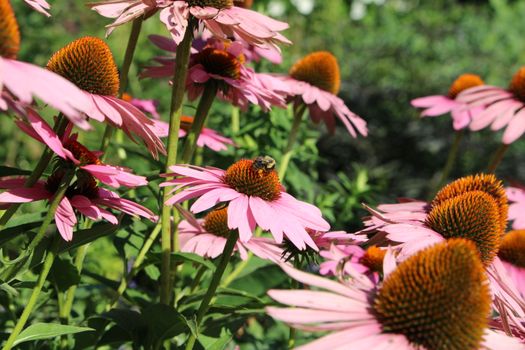
One of the greatest joys of a garden pond is the wildlife it attracts. Birds bathe at the edges, bees sip at the surface, and dragonflies patrol the air. To encourage biodiversity:
- Add a variety of native plants for shelter and breeding. - Create shallow zones or “beaches” for easy access by amphibians and birds. - Avoid chemicals and choose wildlife-friendly treatments. Common pond problems include: - $1 Usually caused by disturbed sediment or new pond syndrome. Use fine filter media and avoid stirring up the bottom. - $1 Indicates low oxygen—add aeration and check water quality. - $1 Look for liner damage, displaced rocks, or excessive plant growth root penetration.With patience and observation, most problems can be solved without resorting to drastic measures.
Final Thoughts on Maintaining a Healthy Garden Pond
Maintaining a garden pond is both an art and a science—one that rewards attention and care with beauty, tranquility, and abundant life. The key for beginners is to establish simple routines, observe your pond’s rhythms, and intervene only when necessary. Remember, a little imperfection is natural; your goal is a balanced ecosystem, not a sterile aquarium.
Over time, your pond will become more self-sustaining, supporting frogs, birds, beneficial insects, and lush aquatic plants. By following these guidelines and enjoying the process, you’ll soon have a vibrant water feature that enhances your garden and delights both people and wildlife.