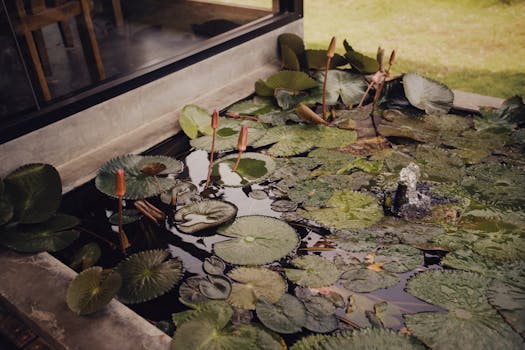
Adding a water feature to your garden can transform the entire space, creating a tranquil retreat where the soothing sound of flowing water drowns out urban noise and attracts wildlife. Whether your outdoor area is expansive or compact, a water feature can serve as a captivating focal point, increase your property’s value, and even help cool the surrounding air. If you’re considering this project, understanding the options, planning steps, and care requirements will ensure your garden water feature is both beautiful and sustainable.
The Benefits of Introducing a Water Feature to Your Garden
A well-designed water feature does much more than please the eye. In fact, research shows that the presence of water in outdoor landscapes can reduce stress and lower blood pressure. According to a 2021 survey by the National Gardening Association, 48% of homeowners with water features reported greater satisfaction with their gardens compared to those without. Here are some key benefits:
- $1: Water features attract birds, butterflies, frogs, and beneficial insects, enhancing biodiversity in your garden. - $1: Evaporation from water features can help cool the immediate area, making your garden more comfortable during hot spells. - $1: The gentle trickle or splash of water masks unwanted noises, ideal for urban or roadside gardens. - $1: A thoughtfully designed feature adds a sense of serenity, movement, and luxury, often increasing property value by up to 7%.Whether you want a classic pond teeming with life, a sleek modern fountain, or a simple bubbling urn, water features can be tailored to nearly any garden style or size.
Choosing the Right Water Feature: Types, Costs, and Considerations
Selecting the best water feature for your garden involves more than just aesthetics. Space, budget, maintenance, and environmental factors all play vital roles. Here’s a comparison of popular water feature types:
| Water Feature Type | Best For | Approx. Cost (USD) | Maintenance Level | Wildlife Value |
|---|---|---|---|---|
| Garden Pond | Medium to large spaces | $500–$5,000+ | Moderate to High | Excellent (supports fish, frogs, birds) |
| Fountain | Small to medium gardens | $150–$2,000 | Low to Moderate | Good (attracts birds, insects) |
| Bubbling Rock | Small spaces, patios | $300–$1,200 | Low | Moderate (attracts birds) |
| Waterfall (with/without pond) | Sloped gardens | $1,000–$10,000+ | Moderate to High | Very Good (oxygenates water, attracts wildlife) |
| Reflecting Pool | Modern, formal gardens | $2,000–$7,000+ | Low | Low (mainly aesthetic) |
Planning Your Water Feature: Site Selection and Design
Proper planning is crucial for a successful installation. Start with these key steps:
1. $1: Map out available space and note the sun’s path. Avoid placing water features beneath large trees, as falling leaves can clog pumps and promote algae. 2. $1: Before digging, contact local utilities to avoid damaging pipes or cables. In the USA, the “Call 811” service provides free utility marking. 3. $1: Most features require electricity for pumps. Choose a location within 25 feet of a safe outdoor power outlet or consider solar-powered models for small fountains. 4. $1: Ensure good drainage to prevent flooding or waterlogging. Slightly raised installations can help with excess runoff. 5. $1: Match the feature’s style to your overall garden design. A rustic pond suits cottage gardens, while a geometric reflecting pool fits modern landscapes.Sketch your ideas or use online garden design tools. Aim for a feature that’s visible from the house or main seating areas—studies show homeowners enjoy water features most when they’re easily seen and heard.
DIY Installation: Step-by-Step Guide to Creating a Small Garden Water Feature
Building a simple water feature is within reach for most DIY enthusiasts. Here’s a basic process for a small pond or bubbling urn:
1. $1: Use a rope or garden hose to outline the desired shape. 2. $1: Dig to a depth of 18-24 inches for small ponds, sloping the sides to prevent collapse. 3. $1: Lay a pond liner or preformed shell, smoothing out wrinkles and weighing the edges with rocks. 4. $1: Place a submersible pump and, if needed, a filter unit to keep water circulating and clean. 5. $1: Slowly fill the pond or container, adjusting the liner as needed. 6. $1: Use flat stones, gravel, or plants to disguise the liner and blend the feature into your garden. 7. $1: Connect the pump to power and adjust the flow for desired sound and effect.For a bubbling urn, use a waterproof planter, a small pump, and a reservoir basin buried below ground. Kits are available at most garden centers, often for under $300.
A 2023 survey by HomeAdvisor found that 62% of DIY water feature projects cost less than $1,000 and were completed over a weekend.
Sustainable Practices: Eco-Friendly Water Feature Tips
Modern water features can be designed to minimize environmental impact and support local ecosystems. Here are some ways to keep your installation green:
- $1: Choose features with closed-loop pumps to avoid wasting water. Recirculating systems can save hundreds of gallons per year. - $1: Incorporate rain barrels or direct downspouts to top up your feature, reducing reliance on treated tap water. - $1: Use oxygenating and marginal plants like water lilies, pickerelweed, or sedge to support pollinators and control algae. - $1: Avoid pesticides or chemical algaecides that can harm wildlife. Natural barley straw or UV filters are safer alternatives. - $1: For small fountains, solar pumps reduce energy use and simplify installation—no wiring required.According to the Royal Horticultural Society, a well-planted wildlife pond can host over 20 species of aquatic insects within its first year, boosting overall garden health.
Maintaining Your Garden Water Feature for Lasting Beauty
Ongoing care ensures your water feature remains a source of pride and relaxation. Here are essential maintenance tips:
- $1: Remove fallen leaves and plant material weekly to prevent blockages and algae. - $1: Top up as needed, especially during hot weather. Evaporation rates can reach 2 inches per week in summer. - $1: Clean pump filters monthly and inspect for clogs to maintain efficient water flow. - $1: Use shade plants, barley straw, or biological products to keep algae at bay. Avoid harsh chemicals. - $1: In cold climates, remove pumps and store indoors, or use a pond heater to prevent ice cover if you have fish.Routine attention—just 10-15 minutes a week—can keep your water feature clear, healthy, and vibrant year-round.
Final Thoughts on Creating a Water Feature in Your Garden
A garden water feature is more than an attractive addition—it’s an investment in relaxation, wildlife, and the sensory appeal of your outdoor space. With thoughtful planning, the right choice of feature, and environmentally friendly practices, you can enjoy the sights and sounds of water for years to come. Whether you opt for a grand pond or a simple bubbling rock, the rewards of adding water to your garden are both immediate and lasting.