If you’ve ever wished for a fragrant, fresh supply of herbs but have only a small urban balcony, you’re in luck: starting a herb garden on a balcony is not just possible—it’s one of the most rewarding and space-efficient ways to add a little green to your daily life. Whether your goal is to spice up your cooking, foster pollinators, or simply enjoy the therapeutic effects of gardening, balcony herb gardens are ideal for city dwellers and beginners alike. This guide walks you through the essential steps and smart strategies to launch your own thriving balcony herb garden, no matter how limited your space.
Choosing the Right Herbs for Your Balcony Garden
Selecting the right herbs is the foundation of a successful balcony garden. Not all herbs are equally suited to container life or the unique microclimate of a balcony. Some herbs thrive in full sun, while others tolerate shade; some need frequent watering, and others prefer to dry out between drinks.
Consider these key factors:
- $1: Most herbs, such as basil, thyme, and rosemary, require at least 6 hours of direct sunlight daily. South or west-facing balconies are ideal. If your balcony is shaded, opt for shade-tolerant herbs like mint, chives, or parsley. - $1: High-rise balconies can be breezy. Robust herbs like sage and oregano handle wind better than delicate basil. - $1: Compact or trailing varieties, like Greek oregano or dwarf basil, are perfect for small planters.Here’s a quick comparison of popular herbs for balcony gardens:
| Herb | Sunlight Needs | Watering | Container Size | Special Notes |
|---|---|---|---|---|
| Basil | 6+ hrs (Full Sun) | Keep moist | Medium (6-8") | Picks up flavor quickly; sensitive to cold |
| Mint | Partial Sun | Keep moist | Large (spreads fast) | Best in its own pot (spreads aggressively) |
| Thyme | Full Sun | Let dry between waterings | Small (6") | Excellent for small spaces; drought-tolerant |
| Parsley | Partial to Full Sun | Keep moist | Medium (6-8") | Biennial; grows bushy |
| Rosemary | Full Sun | Let dry between waterings | Large (deep roots) | Likes good drainage; can grow large |
Choosing a mix of these herbs can ensure year-round flavor and fragrance, even in tight urban spaces.
Containers, Soil, and Drainage: The Essentials for Healthy Herbs
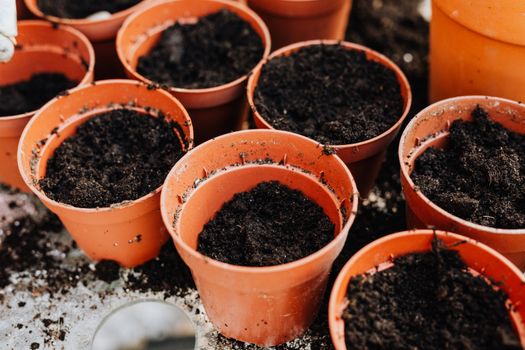
The right container and soil setup is crucial for balcony herb gardens. Herbs in containers need well-draining soil to prevent root rot and strong, healthy growth.
$1 - $1: Terracotta pots are classic and breathable but dry out quickly. Plastic retains moisture, ideal for forgetful waterers. Fabric grow bags are lightweight and space-saving. - $1: Most herbs need at least a 6-8 inch deep pot. Mint and rosemary do best in larger containers. - $1: Every pot must have drainage holes. Elevate pots slightly to prevent water from pooling under them. $1 - Use a high-quality potting mix, not garden soil. Potting mix is lighter and retains moisture without becoming soggy. - Mix in perlite or coarse sand (about 20%) to improve drainage. - For organic gardening, choose certified organic potting soils. $1 - Herbs don’t need heavy feeding; a slow-release organic fertilizer applied every 6-8 weeks is sufficient. - Over-fertilization can reduce flavor, especially in aromatic herbs like basil and thyme.$1 Grouping pots together helps maintain humidity and makes watering easier, especially on hot or windy balconies.
Designing and Arranging Your Balcony Herb Garden
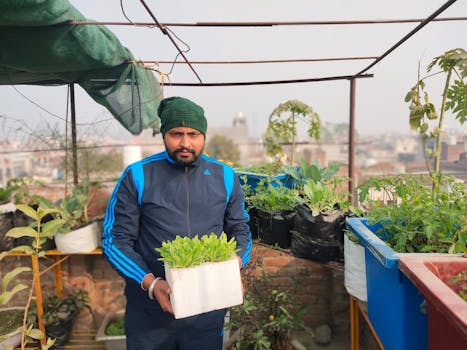
A well-designed balcony herb garden maximizes both beauty and productivity. With limited space, vertical gardening techniques and creative arrangements can make a big difference.
$1 Use wall-mounted planters, hanging baskets, or tiered plant stands to take advantage of vertical space. For example, a simple vertical rack can hold 6-8 pots in the space of a single chair.
$1 Some herbs grow better together. Basil and parsley, for instance, share similar water and light needs, while mint should always be planted alone due to its aggressive roots.
$1 Arrange your herbs so the ones you use most—like basil for pasta or mint for tea—are within easy reach of your kitchen door.
$1 Mix herbs with edible flowers like nasturtiums or marigolds for a colorful, pollinator-friendly display. Use matching pots, decorative labels, or even upcycled containers for a personal touch.
$1 Windbreaks, such as trellises or clear balcony screens, can protect delicate herbs from strong gusts. If your balcony gets intense midday sun, consider shade cloth or moveable planters that can be repositioned as needed.
Planting, Watering, and Ongoing Care for Balcony Herbs
Once your containers and herbs are selected, it’s time to plant and care for them. Proper planting and maintenance are key to keeping your herbs lush and productive.
$1 1. Fill containers with your prepared potting mix, leaving about 1 inch of space below the rim. 2. Plant seeds or seedlings at the recommended depth (usually 1/4 inch deep for seeds, just below the soil for seedlings). 3. Water gently to settle the soil. $1 - Most balcony herbs need watering every 2-3 days in warm weather. Always check the top inch of soil; water when it’s dry. - In hot summers, containers may need daily watering—herbs can wilt quickly in small pots. - Avoid over-watering, especially for Mediterranean herbs like rosemary and thyme. $1 - Regularly snip herbs to encourage bushy growth. For basil, pinch off flower buds to prolong leaf production. - Harvest up to one-third of a plant at a time—never strip it bare. - Most leafy herbs regrow rapidly when pruned. $1 - Balcony gardens are less prone to pests, but watch for aphids and spider mites. - Spray with a mild soap solution or use neem oil for infestations. - Good airflow between pots helps prevent fungal diseases.A 2023 survey by the National Gardening Association found that 44% of urban gardeners now grow edible plants in containers, with herbs being the most popular choice due to their ease of care and high yield per square foot.
Seasonal Tips: Keeping Your Balcony Herb Garden Thriving Year-Round
Balconies often experience more extreme temperature swings than ground-level gardens, so adjusting your care routine with the seasons is essential.
$1 - This is prime growing season for most herbs. Fertilize lightly, water regularly, and prune often for best results. $1 - Move tender herbs like basil indoors before the first frost. Hardy herbs like thyme, sage, and rosemary can tolerate cooler weather. - Reduce watering as plant growth slows. $1 - Most annual herbs will die back, but you can overwinter perennials indoors on a sunny windowsill. - If you have a sheltered balcony, insulate pots with bubble wrap or move them close to a wall for extra warmth. - Water sparingly—cold, wet soil can promote root rot. $1 - Many balcony gardeners keep a small kitchen herb garden indoors during the winter. LED grow lights can supplement natural light for robust growth.Fact: According to the RHS (Royal Horticultural Society), rosemary and thyme can survive temperatures as low as 20°F (-6°C) if protected from wind and kept on the dry side.
Harvesting and Using Your Balcony-Grown Herbs
Now for the most satisfying part: enjoying the fruits (or leaves) of your labor. Regular harvesting not only keeps herbs productive but also brings fresh, vibrant flavors to your meals.
$1 - Use clean scissors or pinch stems with your fingers. - Morning is the best time to harvest, as oils are most concentrated. - For maximum flavor, use fresh; for storage, herbs can be air-dried, frozen, or made into herb butters and pestos. $1 - Infuse drinks with mint or lemon balm. - Make herbal teas, vinegars, or oils. - Add fresh herbs to salads, pastas, and even desserts.A single healthy basil plant can produce up to ½ pound of leaves per season—enough for dozens of homemade pesto batches.
Final Thoughts on Starting a Balcony Herb Garden
Starting a herb garden on your balcony is a practical, rewarding way to enjoy fresh flavors, lush greenery, and a touch of nature right outside your door. With the right plant choices, containers, and care, even the smallest balcony can become a culinary oasis. Remember, successful balcony gardening is about observation and adaptation: monitor your microclimate, adjust your care routine as needed, and don’t be afraid to experiment. Whether you’re a first-time gardener or an urban green thumb, herbs offer one of the easiest entry points into homegrown goodness.