How to Create a Natural Garden and Support Biodiversity: A Comprehensive Guide
A lush, thriving garden isn’t just a delight for the eyes—it can also be a powerful ally in the fight to preserve our planet’s dwindling biodiversity. As urbanization, monoculture farming, and climate change reshape landscapes, gardens large and small can provide essential habitats for native plants, insects, birds, and other wildlife. But what does it really mean to create a “natural” garden, and how can your green space become a true haven for biodiversity? This guide will take you through the essential steps, from understanding the science of natural gardening to practical design choices that make a real difference.
Understanding Natural Gardens and Biodiversity
A natural garden is designed to mimic the processes and diversity found in wild ecosystems, rather than imposing strict human order or relying on exotic, high-maintenance species. The main goal is to create a self-sustaining environment where native plants and wildlife can flourish together.
Biodiversity, or biological diversity, refers to the variety of life in all its forms—genes, species, and ecosystems. According to the United Nations, around 1 million animal and plant species are now threatened with extinction, many within decades. Gardens, even those in urban areas, can play a vital role in reversing this trend. In the UK alone, private gardens cover over 430,000 hectares—more than all the country’s nature reserves combined.
By designing your garden with nature in mind, you can:
- Increase habitat for pollinators and other wildlife - Enhance ecosystem services (like pest control and soil health) - Reduce water use, chemical inputs, and maintenance - Create a beautiful, resilient landscape that changes with the seasonsPlanning Your Natural Garden: Principles and Preparation
Before you start digging, a thoughtful plan will help ensure your garden truly supports biodiversity. Consider these core principles:
1. $1 Observe your garden’s light, soil, moisture, and existing vegetation. Natural gardens thrive when they match the local climate and soil type. 2. $1 Native species have evolved alongside local wildlife, providing the best food and shelter. For example, in Central Europe, wildflowers like knapweed (Centaurea) and oxeye daisy (Leucanthemum vulgare) are excellent for bees, while hawthorn (Crataegus) supports over 300 insect species. 3. $1 Aim for a mix of trees, shrubs, perennials, annuals, and groundcovers. Include plants that flower and fruit at different times of year to support wildlife year-round. 4. $1 Natural habitats have structure—tall trees, mid-level shrubs, and ground plants. Mimic this to offer shelter and food at all levels. 5. $1 Avoid synthetic pesticides and fertilizers, which can be harmful to beneficial insects and soil life. 6. $1 Consider how your garden connects to the wider landscape. Even small spaces can become “stepping stones” for wildlife if linked by hedges, wildflower strips, or ponds.Before planting, assess your garden’s existing biodiversity. Keep a diary for a week: what birds, insects, or wild plants do you see? This baseline will help you measure your impact over time.
Plant Selection: Native Stars and Biodiversity Champions
The heart of a natural garden is its plant community. Choosing the right species can multiply your contribution to local biodiversity.
Native plants are the backbone, but what makes some plants better for biodiversity than others? The answer lies in the number of species each plant supports. For example, oak trees (Quercus spp.) in Europe can support over 2,300 species of insects, fungi, and lichens, while some exotic ornamentals support only a handful.
Below is a comparison of plant types and their biodiversity value:
| Plant Type | Example Species (Central Europe) | Estimated Number of Supported Insect Species | Notes |
|---|---|---|---|
| Native Tree | English Oak (Quercus robur) | 2,300+ | Supports birds, mammals, fungi, and hundreds of caterpillars |
| Native Shrub | Hawthorn (Crataegus monogyna) | 300+ | Food for birds, pollinators, and mammals |
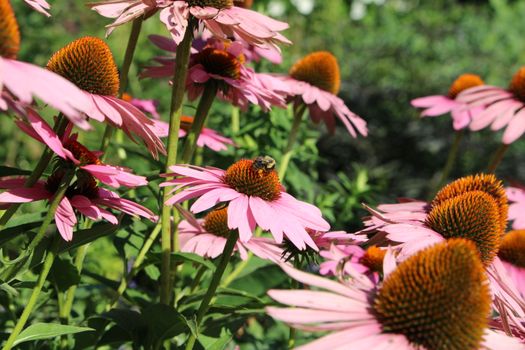
| Native Wildflower | Knapweed (Centaurea nigra) | 50+ | Important for bees, butterflies, and moths |
| Exotic Ornamental | Rhododendron (Rhododendron ponticum) | 1-2 | Low wildlife value, invasive in some regions |
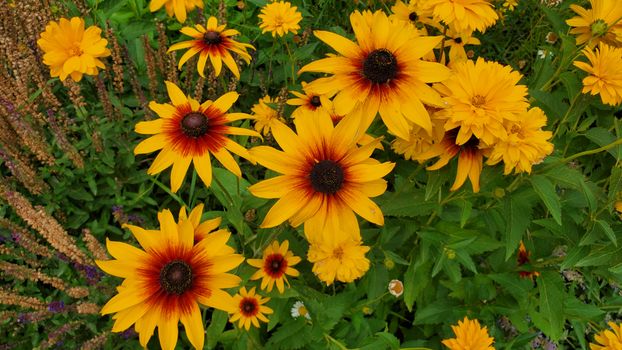
Aim to fill your garden with at least 70% native species, focusing on those with proven biodiversity benefits. Mix sun- and shade-lovers, and include climbers like honeysuckle (Lonicera periclymenum) for vertical interest and habitat.
Designing for Wildlife: Structures, Water, and Shelter
A natural garden is more than plants—it’s a living, layered habitat. Adding the right features can dramatically increase your garden’s biodiversity.
$1 Even a small pond (as little as 1 square meter) can support frogs, dragonflies, and birds. Avoid fish, which eat amphibian eggs, and plant native aquatic plants. According to the Freshwater Habitats Trust, gardens with ponds have 50% more species of insects than those without.
$1 Dead wood is vital for beetles, fungi, and solitary bees. Leave a pile of logs or stumps in a shaded corner—studies show that 20% of garden invertebrates rely on dead wood at some stage.
$1 Replace part of your lawn with a mini-meadow. Mow once a year in late summer to let wildflowers set seed. Meadows support up to 40 times more pollinators than traditional lawns.
$1 Use native hedges instead of fences. Mixed-species hedgerows support birds, small mammals, and insects, and act as corridors for wildlife movement.
$1 Install bird boxes, bee hotels, and undisturbed piles of leaves. Many insects and small animals need safe spaces to breed and survive the winter.
$1 Add night-scented plants like evening primrose (Oenothera biennis) to attract moths and bats. Outdoor lighting should be minimized or wildlife-friendly to avoid disturbing nocturnal visitors.
Maintenance That Supports, Not Suppresses, Nature
Traditional gardening often focuses on neatness—regular mowing, pruning, and tidying. In a natural garden, a lighter touch brings better results for biodiversity:
- $1 Let some areas grow long. In a 2020 UK experiment, gardens with less frequent mowing had up to 10 times more bees. - $1 Over winter, these provide food for birds and shelter for insects. - $1 Let leaf litter decompose naturally. This returns nutrients to the soil and supports decomposers like worms and beetles. - $1 Not all “weeds” are bad—many are important for wildlife. Remove only truly invasive species, and tolerate native wildflowers. - $1 Skip pesticides and herbicides. If pest problems arise, encourage natural predators like ladybirds or birds.Remember, a natural garden changes with the seasons and takes time to reach its full potential. Be patient and enjoy watching new life appear year by year.
Measuring Impact: How Your Garden Supports Biodiversity
How do you know if your efforts are working? Tracking biodiversity can be simple and rewarding:
- $1 Regularly record the number and type of birds, butterflies, or bees you see. The UK’s Big Garden Birdwatch, for example, found that gardens with diverse planting had up to 60% more bird species. - $1 Monitor which plants thrive and which attract the most visitors. - $1 Take regular photos throughout the year to document changes. - $1 Join programs like iNaturalist or local wildlife surveys to share your findings and contribute to broader conservation efforts.Over time, you’ll likely see increases in pollinators, songbirds, and even new wildflowers appearing in your garden—clear evidence that your natural garden is making a difference.
Final Thoughts: Creating a Natural Garden for People and Planet
By transforming your garden—whether it’s a small city courtyard or a sprawling suburban plot—into a natural haven, you become part of a global movement to restore biodiversity. The benefits go beyond wildlife: natural gardens are more resilient to drought, require less water and chemicals, and offer a dynamic, ever-changing landscape for you to enjoy.
With thoughtful plant choices, wildlife-friendly features, and a relaxed approach to maintenance, your garden can become a sanctuary not only for threatened species but for your own well-being. Every new flower, buzzing bee, or singing bird is a small victory for nature—and a testament to what’s possible when we garden with the wild in mind.