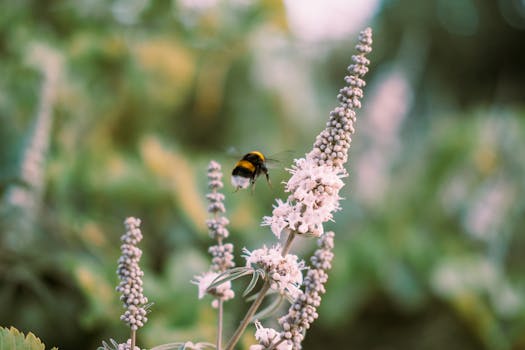
Bringing Bees Back: The Best Plants for Bees and Pollinators in the Garden
Healthy, buzzing gardens don’t just delight the senses—they are crucial havens for bees and pollinators facing unprecedented decline worldwide. According to the Food and Agriculture Organization, over 75% of global food crops depend at least in part on pollinators. Yet, Europe’s wild bee populations have dropped by more than 30% since the 1980s. The loss of diverse flowering plants is a major factor, but every home gardener has the power to make a difference. By choosing the right mix of plants, you can turn your patch of land into a vital refueling station for bees, butterflies, hoverflies, and other pollinators.
Let’s explore plant choices that not only beautify your garden but also provide maximum support for these essential creatures.
The Critical Role of Pollinators in Our Ecosystems
Pollinators are nature’s unsung heroes. Honeybees, bumblebees, solitary bees, butterflies, moths, hoverflies, and even some beetles and birds transfer pollen from flower to flower, enabling fruit, vegetable, and seed production. In fact, 1 in every 3 bites of food we eat is made possible by pollinators. In Europe alone, insect pollination is worth an estimated €15 billion annually to agriculture.
Unfortunately, pollinator numbers are plummeting due to habitat loss, pesticide use, disease, and climate change. The 2023 European Red List for Bees notes that nearly 10% of wild bee species are threatened with extinction. That’s why creating pollinator-friendly gardens isn’t just a passion—it’s a vital act of ecological stewardship.
What Makes a Plant Pollinator-Friendly?
Not all flowers are equal in the eyes of a bee or butterfly. To be truly pollinator-friendly, a plant should:
- Offer abundant, accessible nectar and pollen. - Bloom at different times, providing food from early spring to late autumn. - Avoid double or heavily modified blooms, which may lack nectar or be physically hard to access. - Be free from systemic pesticides or neonicotinoids.Native plants are especially valuable because local pollinators have evolved alongside them. However, many non-invasive exotics can also be excellent sources of forage.
Top Plant Choices for Bees: Annuals, Perennials, Shrubs, and Trees
A diverse planting approach is best, mixing flower types and heights. Here’s a breakdown of the most valuable plants for bees and pollinators, organized by plant type:
| Plant Type | Example Species | Key Flowering Months | Main Visitors |
|---|---|---|---|
| Annuals | Borage, Sunflower, Cosmos | June – September | Honeybees, Bumblebees, Butterflies |
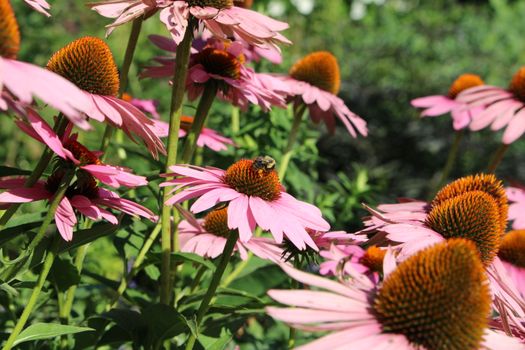
| Perennials | Echinacea, Lavender, Salvia | May – October | Bees, Butterflies, Hoverflies |
| Shrubs | Hawthorn, Buddleia, Mahonia | March – August | Bees, Butterflies, Moths |
| Trees | Willow, Linden (Lime), Apple | March – June | Early Bees, Hoverflies |
Let’s look at some pollinator “superstars” in more detail:
- $1 An annual herb, famed for its blue, star-shaped flowers rich in nectar. Borage can replenish nectar within minutes, attracting bees all day long. - $1 A classic perennial with fragrant spikes that draw honeybees and bumblebees from June to August. - $1 One of the earliest sources of pollen for bees emerging from winter, flowering as soon as March. - $1 A robust perennial that supports bees and butterflies from midsummer to autumn. - $1 Bees love the large, open faces of sunflowers, and birds will feed on the seeds later in the season.Seasonal Blooms: Feeding Pollinators All Year Round
A garden that supports pollinators year-round is a true resource. Bees need early spring pollen to build up their colonies, continuous nectar through summer, and late-blooming flowers as autumn food becomes scarce.
Here’s how to plan for all seasons:
- $1 Snowdrops (Galanthus), crocuses, willows, and lungwort (Pulmonaria) provide crucial nourishment as bees emerge from hibernation. - $1 Fruit trees (apple, cherry, plum), comfrey, and hawthorn start blooming, followed by foxglove (Digitalis) and alliums. - $1 Lavender, echinacea, cosmos, borage, and phacelia offer a feast for bees and butterflies. - $1 Sedum, ivy (Hedera helix), asters, and goldenrod (Solidago) help sustain pollinators as they prepare for winter.Fact: Ivy is a lifeline for late-flying honeybees and hoverflies, blooming as late as October in many regions.
Creating a Pollinator Haven: Garden Design Tips
Beyond plant choice, a few simple design tweaks can greatly increase your garden’s value to pollinators:
- $1 Grouping the same species in clusters of at least 1 square meter makes blooms easier for bees to find and forage efficiently. - $1 Combine plants with staggered flowering times so something is always in bloom from early spring until frost. - $1 Different pollinators prefer different flower forms. Open, daisy-like flowers suit bees, while tubular flowers attract butterflies and some long-tongued bees. - $1 Allow patches of nettles, brambles, or wildflowers in a less-manicured area. These support not just bees, but moths and caterpillars as well. - $1 A shallow dish with pebbles lets bees safely drink.Example: Even a small 10-square-meter garden, if planted with a thoughtful mix of 10-15 pollinator-friendly species, can attract dozens of bee species and hundreds of pollinators in a single season.
Avoiding Common Pitfalls: Plants to Skip and Pesticide Dangers
It’s tempting to choose the showiest blooms at the garden center, but not all ornamentals are pollinator-friendly. Many modern hybrids, especially double-flowered varieties (like some roses, dahlias, and peonies), are bred for looks, not nectar or pollen, and may be useless to bees.
Equally important is the avoidance of systemic insecticides—especially neonicotinoids. Studies show that these chemicals can reduce bee populations by up to 30% even at low doses, and residues can persist in flowers for months. Always buy “bee-safe” labeled plants or grow from organic seeds when possible.
Fact: In 2018, the European Union banned outdoor use of three neonicotinoid pesticides to protect pollinators, a move backed by over 80% of surveyed EU citizens.
Native vs. Non-Native Plants: Striking the Right Balance
Native plants are often the best match for local pollinators, providing the exact nutrients and bloom times they need. For example, the European red mason bee (Osmia bicornis) is especially attracted to native fruit blossoms and wildflowers. However, some non-native plants (such as phacelia or lavender) can supplement nectar gaps, especially in urban or highly altered landscapes.
Key is to avoid known invasive species (like Himalayan balsam or Japanese knotweed) that outcompete native flora. A balanced garden might include 60-80% native species, with the remainder being non-invasive, high-nectar exotics to extend the bloom season.
Supporting Pollinators Beyond Flowers
Flowers are just one part of the equation. Pollinators also need:
- $1 Bare soil patches, bee hotels, and dead wood for solitary bees. - $1 Dense shrubs, log piles, and untidy corners protect overwintering insects. - $1 Avoiding pesticides and herbicides ensures pollinators aren’t harmed as they forage or nest.For example, a simple bee hotel—a bundle of hollow stems or drilled wood—can attract mason bees, which can pollinate up to 1200 flowers a day.
Empowering Change: Your Garden’s Impact on Pollinators
Imagine if every gardener devoted just a corner of their garden to pollinator-friendly plants. With over 16 million private gardens in the EU alone, the collective impact could reverse local pollinator declines and support food security for future generations. By choosing plants that bloom across the seasons, favoring native and high-nectar species, and avoiding pesticides, every plot can become part of a continental pollinator corridor.
Whether you have a balcony box or a sprawling yard, your plant choices can make a real difference. Bees, butterflies, and hoverflies will thank you with a richer, more vibrant garden—and so will the planet.