Creating a lush, green oasis in a limited space is a dream for many urban dwellers and homeowners with small gardens or balconies. Vertical gardening is a creative solution that transforms bare walls, fences, and even indoor corners into vibrant plant displays. Whether you want to grow herbs, flowers, or even vegetables, vertical gardens allow you to maximize your available area and bring the beauty of nature into the smallest of spots. In this article, we’ll explore innovative vertical garden ideas, design strategies, and practical steps for making the most out of small spaces—without repeating the same advice you’ll find elsewhere.
Understanding Vertical Gardens: A Creative Solution for Small Spaces
The concept of vertical gardening dates back centuries, with the Hanging Gardens of Babylon often cited as one of the earliest and most famous examples. Today, this technique has evolved to fit modern lifestyles, especially in urban environments where outdoor space is at a premium.
Vertical gardens are essentially plant arrangements that grow upward, typically using walls, trellises, or specially designed structures. This approach offers several benefits, including:
- Space efficiency: Vertical gardens can increase your planting area by up to 70% compared to traditional horizontal beds, according to a 2022 study by the Urban Horticulture Institute. - Improved air quality: A NASA Clean Air Study found that certain plants can remove up to 87% of air toxins in 24 hours, making vertical gardens excellent for indoor environments. - Enhanced privacy and aesthetics: Vertical plantings can serve as living screens, adding both beauty and seclusion to your outdoor or indoor spaces.Let’s dive into some of the most innovative and practical vertical garden ideas tailored for small areas.
Modular Planting Systems: Flexibility Meets Style
Modular vertical garden systems have gained popularity due to their versatility and ease of installation. These systems typically consist of panels, pockets, or stackable planters that can be arranged in various configurations on walls or fences.
One standout example is the use of felt pocket panels, which allow you to plant dozens of herbs, succulents, or ornamental plants without heavy soil loads. In fact, a single 1m x 1m panel can accommodate up to 36 small plants, making it ideal for kitchens, balconies, or patios.
For those looking for a more structured approach, modular plastic or metal planters can be stacked or mounted to create striking geometric patterns. These systems often feature built-in irrigation channels, reducing maintenance and ensuring even watering for all plants.
Benefits of Modular Systems: - Easily customizable layouts - Expandable as your plant collection grows - Suitable for both indoor and outdoor useCost varies widely, with entry-level felt panels starting at $25, while premium modular kits with irrigation can range up to $200 for larger installations.
Repurposed Materials: Eco-Friendly and Budget-Friendly Options
If sustainability and creativity are your goals, consider using repurposed materials for your vertical garden. Not only does this approach reduce waste, but it also adds unique character to your space.
Popular ideas include:
- Wooden pallets: Sanded and treated wooden pallets make excellent vertical planters. By adding landscape fabric and soil, each slat can become a mini-garden for herbs or trailing flowers. - Upcycled bottles and containers: Plastic bottles, tin cans, or even old shoe organizers can be transformed into quirky plant holders. According to the EPA, reusing materials for gardening can cut household waste by up to 10%. - Ladders and shelves: Lean an old ladder against a wall and use the rungs as supports for small pots. Alternatively, staggered shelves can create a tiered effect that maximizes sunlight.This approach not only saves money but also allows you to personalize your garden. For example, a study from the University of Sheffield found that gardens using repurposed materials scored 35% higher in perceived creativity and uniqueness than standard arrangements.
Living Walls: Transforming Interiors and Exteriors
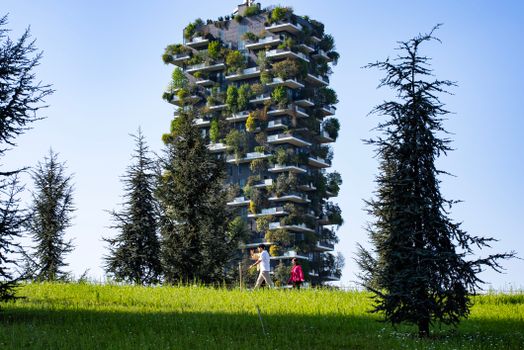
Living walls, also known as green walls or plant walls, are perhaps the most dramatic form of vertical gardening. These installations involve covering a wall with a dense arrangement of vegetation, often integrated with irrigation and structural support.
There are two main types of living walls:
- Panel systems: Pre-planted panels are mounted onto the wall, suitable for both indoor and outdoor use. - Tray or pocket systems: Plants are inserted into pockets or trays, which can be easily swapped or rearranged.Living walls are not just for aesthetics—they offer measurable benefits. A 2021 report by Green Roofs for Healthy Cities found that living walls can reduce ambient temperatures by up to 5°C, lower noise levels by 6-8 decibels, and increase property value by as much as 15%.
They’re particularly effective in small apartments, offices, or courtyards where traditional garden beds aren’t feasible. Maintenance, however, is key: living walls require regular watering, pruning, and occasional replanting to stay healthy and beautiful.
Vertical Edible Gardens: Grow Your Own Food in Compact Spaces
Vertical gardening isn’t just for flowers and foliage—it's a powerful way to grow edible crops in restricted spaces. With the right setup, you can enjoy fresh herbs, leafy greens, strawberries, and even compact tomato varieties right at your fingertips.
Here are some inspiring vertical edible garden ideas:
- Vertical hydroponic towers: These water-efficient systems can produce up to 30 plants in less than 1 square meter, making them ideal for balconies or kitchens. - Hanging herb walls: Mounted planters with basil, mint, rosemary, and other herbs put fresh flavors within easy reach. - Gutter gardens: Repurposed rain gutters, mounted horizontally on a fence or wall, are perfect for lettuces, spinach, and radishes.A comparative study by the University of Florida showed that vertical edible gardens can yield up to 2.5 times more produce per square foot than traditional in-ground beds, due to better light exposure and efficient use of space.
Design Tips for Maximizing Small Vertical Gardens
Making the most of a small area requires thoughtful planning and design. Here are some advanced strategies to ensure your vertical garden thrives and looks stunning:
- Sunlight analysis: Use a smartphone app or observe your space throughout the day to determine sun patterns. Most vegetables and flowers need at least 6 hours of direct sunlight. - Plant selection: Choose species with similar water and light requirements for each installation. Drought-tolerant succulents or ferns are great for shadier spots, while herbs and vegetables need more sun. - Layering and texture: Mix trailing, upright, and bushy plants for a dynamic look. For example, combine cascading ivy with upright lavender and compact marigolds. - Access and maintenance: Ensure planters are easily reachable for watering, harvesting, and pruning. Automated drip irrigation systems can save time and keep plants healthy.Below is a table comparing popular vertical garden systems for small spaces:
| System Type | Installation Difficulty | Capacity (plants/m2) | Best For | Approximate Cost |
|---|---|---|---|---|
| Felt Pocket Panels | Easy | 36 | Herbs, Small Flowers | $25-$60 |
| Modular Plastic Planters | Moderate | 25 | Mixed Plantings | $50-$200 |
| Upcycled Bottles/Containers | Easy | 20 | Herbs, Succulents | Under $20 |
| Living Wall Panel Systems | Advanced | 40+ | Indoor/Outdoor Green Walls | $150-$500+ |
| Hydroponic Towers | Moderate | 30 | Edible Crops | $100-$300 |
Eco-Benefits and Lifestyle Advantages of Vertical Gardens
Beyond aesthetics and space efficiency, vertical gardens contribute to environmental sustainability and personal well-being. Here’s how:
- Urban cooling: Plants cool the surrounding air through transpiration, reducing the urban heat island effect. According to the EPA, green walls can decrease surface temperatures by up to 15°C. - Biodiversity: Vertical gardens create habitats for pollinators like bees, butterflies, and birds, even in city environments. - Health and productivity: Studies from the University of Exeter show that exposure to indoor plants can boost productivity by 15% and reduce stress levels. - Food security: Growing edibles vertically empowers city dwellers to supplement their diets with fresh, homegrown produce, cutting food miles and packaging waste.With these advantages, it’s easy to see why vertical gardens are more than just a design trend—they’re part of a sustainable, healthier way of living.
Conclusion: Transforming Small Spaces with Vertical Garden Innovation
Vertical gardens prove that you don’t need a sprawling backyard to enjoy the benefits of greenery. By combining creative design, modular systems, and thoughtful plant selection, anyone can transform a small balcony, patio, or even a bare wall into a thriving botanical haven. Whether you choose repurposed containers, living walls, or edible towers, the possibilities are limited only by your imagination. Start small, experiment with different ideas, and watch as your space blossoms—vertically!