Growing edible flowers isn’t just a trend among chefs and foodies—it’s a delightful way to add color, fragrance, and unique flavors to your garden and kitchen. Whether you want to create show-stopping salads, striking desserts, or just enjoy the visual splendor, cultivating edible flowers at home is easier than you might think. This article will walk you through the essentials, from choosing the right varieties to harvesting safely and creatively using your blooms. By the end, you’ll have all the tools to turn your home garden into a vibrant, edible paradise.
The Allure and Benefits of Edible Flowers
Edible flowers have graced human tables for centuries, from ancient Roman feasts to traditional Asian cuisines. Today, their popularity is booming—according to a 2023 Nielsen report, sales of edible flowers in the U.S. increased by 24% over the previous year, reflecting a growing appetite for natural, homegrown ingredients and creative culinary experiences.
Why grow edible flowers at home? Here are a few compelling reasons: - $1 Many edible flowers, such as nasturtiums and calendulas, are rich in antioxidants, vitamins A and C, and beneficial phytonutrients. - $1 Edible blooms often draw bees, butterflies, and other pollinators, boosting the health and productivity of your overall garden. - $1 Growing your own ensures flowers are free from harmful chemicals, which is critical since many commercially grown flowers are not food-safe. - $1 Edible flowers add vibrant color and unique flavors to salads, desserts, drinks, and main dishes.With such a blend of beauty, utility, and taste, it’s easy to see why edible flowers are gaining favor with home gardeners.
Choosing the Best Edible Flower Varieties for Your Home Garden
Not all flowers are edible, and some can even be toxic. So, careful selection is key. Here are some of the most popular (and safe) edible flowers that thrive in home gardens:
- $1 These fast-growing annuals offer a peppery kick similar to arugula. Both the leaves and flowers are edible. - $1 Known as “poor man’s saffron,” calendula petals bring a mild, tangy flavor and brilliant golden color. - $1 These cool-season favorites have a mild, slightly sweet flavor and make beautiful edible garnishes. - $1 The purple pom-pom flowers taste like mild onions—perfect for salads or compound butter. - $1 Star-shaped blue flowers with a refreshing cucumber flavor, borage thrives in most climates. - $1 These delicate yellow-orange blooms are delicious when stuffed or fried.When choosing varieties, consider your climate, available space, and culinary preferences. Always purchase seeds or plants specifically labeled for culinary use.
To help you decide, here’s a table comparing the most common edible flowers for home gardens:
| Flower | Flavor Profile | Growing Season | Pollinator Attraction | Best Culinary Uses |
|---|---|---|---|---|
| Nasturtium | Peppery, spicy | Spring–Fall | Excellent | Salads, garnishes, pesto |
| Calendula | Mild, tangy | Spring–Fall | Good | Rice, salads, soups |
| Viola/Pansy | Mild, sweet | Spring–Early Summer | Moderate | Desserts, salads, ice cubes |
| Chive Blossoms | Mild onion | Late Spring | Good | Compound butter, omelets |
| Borage | Cucumber-like | Spring–Fall | Excellent | Drinks, salads, desserts |
| Squash Blossom | Mild, slightly sweet | Summer | Moderate | Stuffed, fried, soups |
Planning Your Edible Flower Garden: Location, Soil, and Companions
Just like vegetables and herbs, edible flowers need the right conditions to flourish. Here’s how to set your garden up for success:
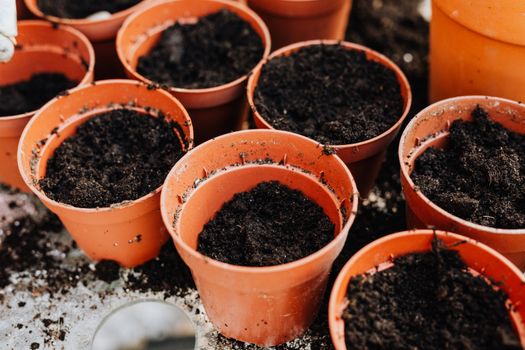
- $1 Most edible flowers need at least 6 hours of direct sunlight daily. Violas and pansies can tolerate partial shade, making them ideal for less sunny spots. - $1 Well-draining, fertile soil is essential. Amend your beds with compost or aged manure to boost organic matter and moisture retention. Aim for a slightly acidic to neutral pH (6.0–7.0). - $1 Consistent watering is key, but avoid waterlogged soil. Drip irrigation or soaker hoses help keep moisture levels steady and reduce disease risk. - $1 Allow good air circulation between plants to prevent fungal issues. For example, nasturtiums should be spaced about 30 cm (12 inches) apart, while calendulas can be closer at 20 cm (8 inches). - $1 Many edible flowers make great companions for vegetables. For instance, marigolds deter nematodes around tomatoes, while nasturtiums can attract aphids away from brassicas.Container gardening is also an excellent option, especially for urban or balcony growers. Choose pots at least 20 cm (8 inches) deep, fill with premium potting mix, and ensure ample drainage.
Safe Growing and Harvesting Practices for Edible Flowers
Safety is paramount when growing flowers for the table. Follow these guidelines to ensure your blooms are as safe as they are beautiful:
- $1 Never use synthetic pesticides, herbicides, or fungicides on edible flowers. Instead, opt for organic solutions like neem oil, insecticidal soap, or physical barriers. - $1 Only grow flowers from seeds or starters labeled as edible or food-grade. Avoid florists’ or nursery plants that may have been treated with non-food-safe chemicals. - $1 Pick flowers in the early morning after dew has dried but before the heat of the day. This is when their flavor and moisture content are highest. - $1 Always use clean, sharp scissors or snips to avoid bruising delicate petals. - $1 Not all parts of a plant are safe. For example, with nasturtiums, both leaves and flowers are edible, while in other plants (like squash), only the blossoms are food-safe. - $1 After harvesting, rinse flowers in cool water and gently pat dry on a paper towel.A 2022 study by the University of California found that over 17% of accidental plant poisonings involved home gardeners misidentifying edible flowers, so always double-check before tasting.
Creative Ways to Use Homegrown Edible Flowers
Once your edible flowers are thriving, the fun truly begins—using them in dishes and drinks. Here are some creative ideas to get started:
- $1 Toss nasturtium petals or borage flowers into salads for a pop of flavor and color. Chive blossoms dress up potato salads and creamy dips. - $1 Decorate cakes, cookies, or cupcakes with violas, pansies, or candied rose petals. Infuse cream or syrup with lavender or calendula. - $1 Freeze edible flowers in ice cubes for cocktails, lemonade, or sparkling water. Borage and violets are especially stunning in beverages. - $1 Blend chive blossoms or calendula petals into butter or soft cheese for a beautiful spread. - $1 Stuff squash blossoms with ricotta and herbs, then bake or fry them for a gourmet appetizer.In 2023, the Royal Horticultural Society reported that over 40% of UK home cooks had used edible flowers at least once in the past year, showing just how mainstream and accessible these blooms have become.
Preserving and Storing Edible Flowers for Year-Round Use
While many edible flowers are best enjoyed fresh, it’s possible to extend their shelf life and enjoy their flavors year-round:
- $1 Store freshly picked flowers in airtight containers lined with a damp paper towel. Most will last 2–5 days. - $1 Dry petals from calendula, lavender, or chamomile by spreading them on screens in a dark, well-ventilated area. Use dried flowers in teas, bath blends, or baking. - $1 Freeze flowers in ice cubes or flat on trays, then transfer to freezer bags for use in drinks and desserts. - $1 Infuse petals in simple syrup or vinegar for unique culinary accents.Proper storage also helps reduce waste—according to the USDA, nearly 30% of all edible produce is discarded each year, so preserving your blooms ensures maximum enjoyment.
Final Thoughts on Growing Edible Flowers in Your Home Garden
Cultivating edible flowers at home is a rewarding way to enrich both your garden and your table. With a little planning, careful selection, and safe harvesting, you’ll enjoy a steady supply of beautiful, flavorful blooms. Whether you’re a seasoned gardener or a curious beginner, edible flowers offer an approachable entry point into the world of homegrown cuisine—combining artistry, sustainability, and deliciousness. So pick your favorites, dig in, and let your edible flower adventure blossom.