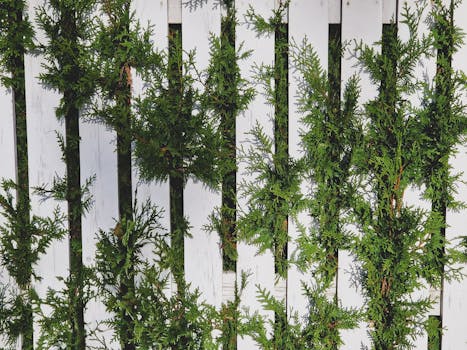
Creating a living fence is a time-honored tradition in Czech gardens, blending privacy, beauty, and biodiversity into a single, green solution. Unlike stark wooden or metal barriers, living fences—formed from carefully chosen shrubs—offer year-round interest, shelter wildlife, and can even help buffer street noise. But with dozens of species to choose from, and so many factors to consider, how can you select the right shrubs for your own Czech garden’s living fence? Let’s delve into the key considerations, best shrub options, design strategies, and practical tips to ensure your living fence thrives for decades.
Understanding the Benefits of a Living Shrub Fence in the Czech Climate
Living fences have been a part of Central European landscapes for centuries, serving both functional and decorative purposes. In the Czech Republic’s temperate climate, which features cold winters (with average January lows of -3°C to -5°C) and warm summers (July averages near 24°C), the right shrub choices are essential for long-term success.
Key benefits of a living shrub fence include: - $1: Unlike seasonal annuals, shrubs provide continual screening. - $1: Native shrubs attract birds, pollinators, and beneficial insects. - $1: Living fences filter dust and pollutants, reduce wind, and help manage rainwater runoff. - $1: Foliage, flowers, and berries add visual interest across all seasons.In fact, a 2022 survey by the Czech Union for Nature Conservation found that gardens with mixed-species living fences hosted 37% more bird species than those with traditional wooden or wire fencing.
Key Criteria for Selecting Shrubs for a Czech Living Fence
Not all shrubs are equally suited for forming a robust, attractive, and low-maintenance living fence in the Czech environment. Here are the main factors to consider when making your selection:
1. $1: Choose shrubs rated for USDA hardiness zones 5-7, which covers most of the Czech Republic. Frost-tolerant species will survive harsh winters without dieback. 2. $1: Prefer dense, upright shrubs for maximum screening; avoid overly spreading types unless you want a wide hedge. 3. $1: Evergreens (e.g., Thuja, Taxus) provide year-round cover, while deciduous shrubs (e.g., Carpinus betulus, Cornus mas) offer seasonal interest and better light in winter. 4. $1: Decide on the fence’s desired height—tall for privacy, low for borders. Some shrubs reach 2-3 meters in 5 years, others much less. 5. $1: Fast-growing shrubs like Ligustrum require frequent trimming; slow-growers such as Taxus are lower maintenance. 6. $1: Native or well-adapted species often resist common issues better than exotics.A practical example: For a privacy screen along a busy street, combining Prunus laurocerasus (cherry laurel, evergreen, fast-growing, 3m+) with Carpinus betulus (hornbeam, deciduous, dense, 2-4m) offers both year-round screening and seasonal beauty.
Top Shrub Choices for Czech Living Fences: A Comparative Overview
With so many options, it helps to compare the most popular and reliable shrub species side by side. Here’s an at-a-glance table highlighting key characteristics of shrubs commonly used in Czech living fences:
| Shrub Species | Type | Typical Height (m) | Growth Rate | Notable Features | Recommended Use |
|---|---|---|---|---|---|
| Carpinus betulus (Hornbeam) | Deciduous | 2-4 | Moderate | Dense, tolerates heavy pruning, native | Formal hedge, privacy screen |
| Prunus laurocerasus (Cherry Laurel) | Evergreen | 2-5 | Fast | Glossy leaves, spring flowers, berries | All-year privacy, windbreak |
| Ligustrum vulgare (Privet) | Deciduous/Semi-evergreen | 2-3 | Fast | Tolerates pollution, easy to shape | Urban gardens, low to medium fences |
| Taxus baccata (Yew) | Evergreen | 2-4 | Slow | Long-lived, dense, shade tolerant | Historic gardens, formal hedges |
| Cornus mas (Cornelian Cherry) | Deciduous | 3-5 | Moderate | Early yellow flowers, edible fruit | Wildlife-friendly, edible hedge |
| Berberis thunbergii (Barberry) | Deciduous | 1-2 | Moderate | Thorny, colorful autumn leaves, berries | Security, low hedges, wildlife |
This table illustrates the diversity of living fence options. For example, if you want a security barrier, Berberis is ideal with its thorny branches. For edible fruit and wildlife, Cornus mas is unmatched.
Design Strategies for a Functional and Beautiful Living Fence
The way you combine different shrubs—and how you plant and maintain them—can dramatically affect both the look and function of your living fence. Here are expert strategies tailored for Czech gardens:
- $1: A mixed-species hedge (2-4 shrub types) is more resilient to pests and diseases, offers extended flowering and berry seasons, and appeals to more wildlife. In contrast, single-species hedges give a uniform, formal look but may be vulnerable to outbreaks (boxwood blight, for example). - $1: Plant taller shrubs at the back and lower, flowering, or berry-producing species in front. This adds visual interest, supports more pollinators and birds, and creates a “softer” transition to the rest of the garden. - $1: For a dense screen, plant shrubs at about two-thirds their mature width apart. For example, if a shrub spreads to 1.5 meters, plant every 1 meter for a tight hedge. - $1: Not only do native Czech shrubs like Crataegus (hawthorn) and Viburnum opulus (guelder rose) thrive with less care, they also support native wildlife and are more drought-tolerant.For example, a 2021 study by the Czech Botanical Society found that mixed native hedges attract 2.5 times more beneficial insects than ornamental exotic-only plantings.
Practical Steps: Planting and Caring for Your Shrub Fence
A successful living fence begins with proper planting and continued care. Here’s how to ensure your shrubs establish quickly and remain healthy:
1. $1: Clear the area of grass and weeds. Loosen soil to a depth of 40-50 cm and mix in compost or well-rotted manure. 2. $1: The best time for planting shrubs in the Czech Republic is early spring (March-April) or autumn (late September-October), when soil moisture is high and temperatures are moderate. 3. $1: Young shrubs need regular watering during their first two years, especially in dry periods. After establishment, most species tolerate Czech rainfall (average 600-800 mm/year) well. 4. $1: Apply a 5-8 cm layer of wood chips or bark mulch to conserve moisture and suppress weeds. 5. $1: Begin formative pruning in the first year to encourage bushy growth. For formal hedges, trim at least once a year (June or after flowering). Informal or wildlife hedges require less frequent pruning.An example of good practice: For a 20-meter privacy hedge, stagger planting by alternating three species (e.g., hornbeam, cherry laurel, and Cornelian cherry) every 2 meters, resulting in a screen that combines privacy, food for birds, and year-round color.
Common Mistakes and How to Avoid Them When Choosing Shrubs
Even experienced gardeners can make mistakes when establishing a living fence. Here are some pitfalls to watch for—and how to avoid them:
- $1: Many homeowners plant shrubs too close, leading to overcrowding, increased disease risk, and uneven growth. Always check the mature width and height. - $1: Some shrubs prefer acidic soils (e.g., rhododendrons), while others tolerate clay or lime. Test your soil and choose accordingly. - $1: Fast growers like privet or cherry laurel can become unmanageable if not pruned regularly. - $1: Relying solely on non-native species can reduce biodiversity and increase maintenance (due to pest and climate sensitivity). - $1: A living fence that is bare in winter may not provide desired privacy or beauty. Mixing evergreens and deciduous species solves this.For instance, planting a row of only Forsythia (spectacular in spring) will leave you with little privacy or color for the rest of the year. Instead, combine it with evergreen holly (Ilex aquifolium) or yew for winter coverage.
Final Thoughts: Creating a Living Fence That Thrives in Czech Gardens
Choosing the right shrubs for a living fence in your Czech garden is both an art and a science. By considering hardiness, growth habit, native value, and maintenance, you can craft a living barrier that is beautiful, sustainable, and wildlife-friendly. Remember to plan for diversity, respect the needs of each species, and maintain your living fence with regular care. With thoughtful selection and proper planting, your living fence will not only serve as a green boundary but also as a dynamic part of your garden’s ecosystem—one that will reward you and local wildlife for generations to come.