If you’re looking to create a vibrant, long-lasting flower bed in the Czech Republic, it’s vital to select plants that not only dazzle with color but also thrive in the country’s unique climate. The Czech climate is classified as temperate continental, with cold winters, moderate rainfall, and warm summers. These conditions challenge gardeners to choose resilient, adaptable plants that can provide beauty from early spring through late autumn. In this guide, we’ll explore the best plants for flower beds in the Czech climate, highlight key considerations for selection, and provide practical advice for creating your most spectacular garden yet.
Understanding the Czech Climate: Key Factors for Flower Bed Success
The Czech Republic experiences four distinct seasons, with average winter temperatures dipping to -1°C and summer highs reaching around 25°C. Rainfall is moderate, averaging 600–800 mm annually, with the wettest months typically from May to July. Frost is common from November to March, and sudden spring or autumn cold snaps can occur.
These climate facts have direct implications for flower bed design:
- Winter hardiness: Plants must withstand sub-zero temperatures. - Drought tolerance: Summers, though mild, can have dry spells. - Rain resistance: Plants in exposed locations must cope with heavy showers. - Length of growing season: Flowering periods should be maximized from April to October.Traditional favorites like tulips and roses are popular, but there is a wealth of resilient, decorative species perfectly suited to Czech gardens. Let’s look at the top options and how to combine them for year-round appeal.
Best Spring Flowering Plants for Early Color
Spring marks the awakening of the Czech garden, as snowdrops and crocuses push through the last remnants of winter. For an early burst of color, consider these proven performers:
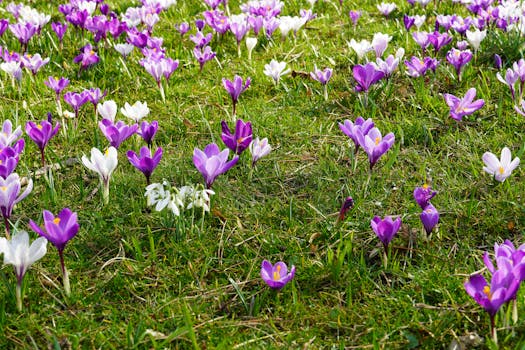
- Crocus (Crocus vernus): Crocuses are one of the earliest bloomers, often flowering in March. Hardy to -15°C and available in purple, white, and yellow, they naturalize well, coming back year after year. - Snowdrop (Galanthus nivalis): These delicate white flowers bloom in late February or early March, even when snow is still on the ground. They tolerate full sun to partial shade and handle Czech winters with ease. - Daffodil (Narcissus): Daffodils add sunny yellow or white blooms to beds from March to April. They are deer-resistant, multiply over time, and tolerate temperatures down to -20°C. - Hellebore (Helleborus orientalis): Also known as the Christmas rose, hellebores flower as early as February and are prized for their frost resistance and long-lasting blooms.By mixing early bulbs like crocus and daffodil with hellebores and snowdrops, you can create a dynamic, multi-layered spring display that signals the start of the gardening year.
Summer Flowering Champions for Czech Flower Beds
Summer is the season of abundance, and with the right plants, your flower beds can be a riot of color for months on end. Here are some top choices for the Czech climate:
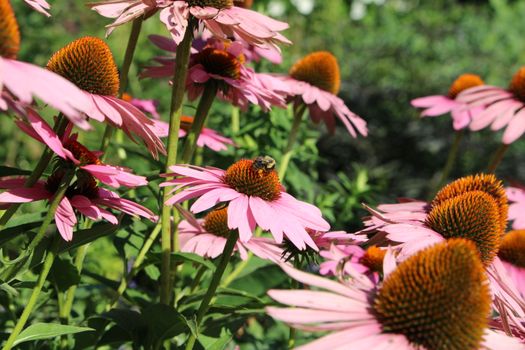
- Coneflower (Echinacea purpurea): Native to North America but widely adapted, coneflowers boast large, daisy-like blooms in pink, purple, or white. They are drought-tolerant, attract pollinators, and bloom from June to September. - Daylily (Hemerocallis): With over 60,000 registered cultivars, daylilies are incredibly versatile. They withstand both drought and heavy rain, and their trumpet-shaped flowers bloom in succession from June to August. - Shasta Daisy (Leucanthemum x superbum): These cheerful white daisies with yellow centers are a classic choice. They thrive in full sun, tolerate poor soils, and bloom from late June through August. - Salvia (Salvia nemorosa): Known for their spiky violet-blue flowers, salvias are heat-tolerant and deer-resistant, flowering from June into autumn.For a striking summer display, combine tall perennials like coneflower and Shasta daisy at the back of your bed, with daylilies and salvia providing mid-height and edge interest. These combinations ensure continuous color and support local pollinators.
Autumn Stars: Extending Flower Bed Beauty into Fall
Don’t let your flower beds fade as summer wanes. Several hardy perennials can keep your garden colorful through September and even into October:
- Sedum (Sedum spectabile): Also known as ‘Autumn Joy’, sedums produce clusters of pink-red flowers that gradually darken as the weather cools. They are extremely drought-tolerant and attract bees and butterflies. - Aster (Aster novi-belgii): With their starry purple, blue, or white flowers, asters bloom from late August to October and are invaluable for late-season interest. - Japanese Anemone (Anemone hupehensis): These elegant perennials offer delicate pink or white blooms from August to October and thrive in both sun and partial shade.By incorporating these autumn-blooming species, your Czech flower beds can remain lively and attractive well into the cooler months.
Low-Maintenance and Drought-Resistant Choices
For gardeners seeking beauty with minimal effort, several flower bed plants combine resilience with easy care. This is especially important in regions of the Czech Republic that experience summer droughts or for those who prefer low-maintenance gardening.
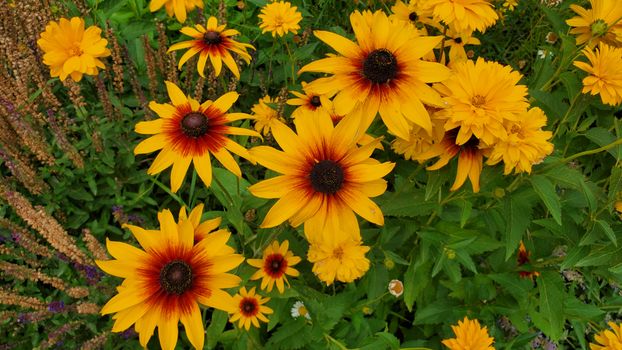
- Lavandula angustifolia (English Lavender): Lavender is one of the toughest perennials, thriving in dry, sunny conditions and stony soils. Its fragrant purple flowers bloom from June to August and attract bees. - Coreopsis (Coreopsis verticillata): Known as tickseed, this plant produces yellow, pink, or red flowers from June to September. It’s drought-tolerant and flourishes even in poor soils. - Rudbeckia (Rudbeckia fulgida): Also called black-eyed Susan, rudbeckia offers golden yellow blooms from July to September, tolerates drought, and is nearly pest-free.These plants require little watering or fertilizing once established, making them ideal for sustainable, eco-friendly flower beds.
Comparing Top Flower Bed Plants for Czech Gardens
To help you select the best plants for your needs, here’s a comparative overview of the top performers discussed, focusing on their key characteristics:
| Plant | Bloom Time | Height (cm) | Winter Hardiness | Drought Tolerance | Pollinator Friendly |
|---|---|---|---|---|---|
| Crocus | March-April | 10-15 | Down to -15°C | Moderate | Yes |
| Daylily | June-August | 40-100 | Down to -20°C | High | Yes |
| Shasta Daisy | June-August | 60-90 | Down to -30°C | Moderate | Yes |
| Lavender | June-August | 30-60 | Down to -20°C | Very High | Yes |
| Aster | August-October | 40-100 | Down to -20°C | Moderate | Yes |
| Sedum | August-October | 30-60 | Down to -30°C | Very High | Yes |
This table highlights that many of the best plants for Czech flower beds not only provide long flowering seasons but are also highly resilient and support local biodiversity.
Design Tips: Combining Plants for All-Season Interest
A successful Czech flower bed is more than just a collection of pretty blooms. By thoughtfully combining plant heights, colors, and bloom times, you can create a dynamic, ever-changing display that looks good from spring thaw to first frost.
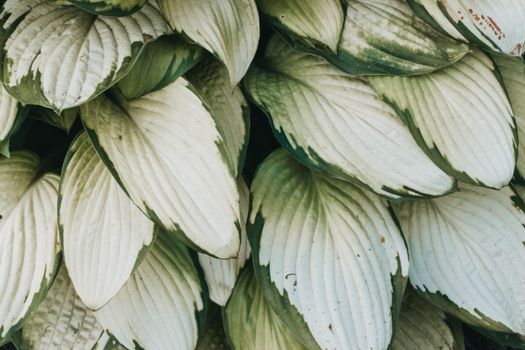
- Layering heights: Place taller plants like asters, Shasta daisies, and daylilies at the back or center, with medium and low growers like lavender, crocus, and sedum at the front. - Mixing bloom times: Combine early bulbs (crocus, daffodil), summer perennials (coneflower, daylily, salvia), and autumn stars (sedum, aster) for continuous color. - Foliage contrast: Incorporate plants with decorative leaves, such as hosta or heuchera, to add interest even when flowers are not in bloom. - Pollinator support: Choose a mix of plants that attract bees, butterflies, and other beneficial insects throughout the season.A well-designed flower bed not only survives the Czech climate but also offers visual delight and ecological value.
Final Thoughts on Choosing the Best Plants for Czech Flower Beds
Creating a thriving flower bed in the Czech Republic is all about matching the right plants to the local climate and your garden’s conditions. By selecting hardy, drought-tolerant species with staggered bloom times, you can ensure your flower beds remain vivid and healthy from early spring to late autumn. With careful planning and the right plant choices, your Czech garden can become a sanctuary of color, fragrance, and life for years to come.