Choosing the Right Mulching Technique for Your Garden: A Comprehensive Guide
A lush, healthy garden doesn’t happen by accident—it’s the result of smart choices and well-applied techniques. Among these, mulching stands out as a powerful tool for gardeners of all skill levels. But with a variety of mulching materials and methods available, how do you know which technique is best for your garden’s unique needs? In this comprehensive guide, we’ll explore the different mulching techniques, compare their benefits and drawbacks, and help you make an informed decision to promote healthier plants, retain soil moisture, suppress weeds, and enhance your garden’s beauty.
The Science Behind Mulching: Why Technique Matters
Mulching is more than just spreading a layer of material over your soil. The right mulching technique can significantly impact your garden’s health, productivity, and appearance. According to a 2022 study by the American Society for Horticultural Science, mulched soils retain up to 80% more moisture than unmulched soils and can reduce weed growth by up to 85%. But how you mulch—and what you use—makes a big difference.
Different plants, climates, and garden goals require distinct approaches. For instance, vegetable gardens may benefit from organic mulches that improve soil fertility, while decorative beds might need inorganic mulches for long-lasting aesthetics. Understanding the science behind each method empowers you to tailor your approach for maximum benefits.
Organic vs. Inorganic Mulching: Comparing the Options
One of the first decisions to make is whether to use organic or inorganic mulching materials. Each has its own set of advantages and disadvantages, which can influence your choice based on your garden’s needs.
| Type | Common Materials | Benefits | Drawbacks | Best Use Cases |
|---|---|---|---|---|
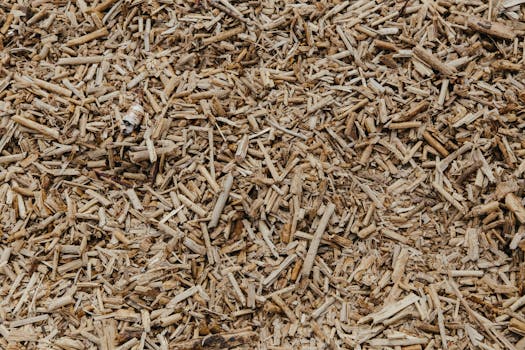
| Organic | Bark, straw, grass clippings, compost, wood chips | Improves soil structure and fertility, encourages earthworms, retains moisture | Needs regular replenishing, may attract pests | Vegetable gardens, flower beds, perennial borders |
| Inorganic | Gravel, landscape fabric, rubber mulch, stones | Long-lasting, effective weed suppression, low maintenance | Does not improve soil, can overheat soil, may be costly | Paths, rock gardens, areas with high wind |
Organic mulches, such as compost, bark, and straw, break down over time, enriching the soil. Inorganic mulches like landscape fabric or gravel are ideal for permanent beds and pathways but don’t contribute nutrients to the soil. According to the Royal Horticultural Society, organic mulch can increase crop yields by up to 20% in vegetable gardens, while inorganic mulches are favored in low-maintenance or ornamental settings.
Assessing Your Garden’s Needs: Key Factors to Consider
Not all gardens are created equal, and neither are their mulching needs. Before settling on a technique, take time to evaluate the following factors:
1. $1: Are you nurturing vegetables, perennials, shrubs, or trees? For example, vegetables benefit from mulches that decompose quickly, while trees and shrubs thrive with long-lasting bark or wood chips. 2. $1: In hot, arid climates, organic mulches help cool the soil and retain moisture. In cooler regions, dark-colored inorganic mulches can help warm the soil earlier in spring. 3. $1: If your soil is sandy and drains quickly, organic mulch can improve water retention. Clay soils may benefit from a thinner layer to avoid waterlogging. 4. $1: Some mulches, like straw or grass clippings, can harbor pests if applied too thickly or left wet. Cedar and cypress mulches offer natural resistance to certain insects. 5. $1: Decorative gardens or public spaces may prioritize the tidy look of stones or rubber mulch over the rustic appearance of straw or wood chips.By aligning your mulching technique with your garden’s specific requirements, you’ll maximize plant health and minimize maintenance.
Popular Mulching Techniques Explained
Let’s break down some of the most effective mulching techniques, highlighting when and how to apply each for best results.
1. $1 - This technique uses layers of cardboard or newspaper topped with organic material. It’s ideal for starting new beds, suppressing weeds, and improving poor soil. Sheet mulching can increase soil organic matter by up to 30% in a single season, according to a 2021 study from Oregon State University. 2. $1 - The most common method, involving a 2-4 inch layer of mulch spread around plants. Use compost, bark, or shredded leaves. Avoid piling mulch against plant stems or tree trunks, as this can promote rot. 3. $1 - Involves planting low-growing ground covers like clover or creeping thyme. Living mulches suppress weeds, reduce erosion, and provide habitat for beneficial insects. Clover, for example, fixes nitrogen in the soil, reducing the need for additional fertilizer. 4. $1 - Black plastic or landscape fabric is used in vegetable gardens or under shrubs to suppress weeds and warm the soil. This technique can increase soil temperatures by up to 5°C (9°F), promoting earlier harvests for heat-loving crops like tomatoes and peppers. 5. $1 - Ideal for xeriscapes, alpine gardens, or paths. Stones do not decompose and require little maintenance, but they can raise soil temperatures and should be avoided in areas prone to overheating. 6. $1 - Made from recycled tires, rubber mulch is durable and effective for playgrounds or high-traffic areas. It doesn’t attract pests or decompose, but it doesn’t improve soil health.Each technique has its place. For example, sheet mulching is perfect for transforming a weedy patch into a flower bed, while living mulches are excellent for perennial borders or orchards.
Application Tips: Getting the Most Out of Your Mulch
Proper application is just as important as choosing the right mulch. Here are practical tips to ensure your mulching technique works effectively:
- $1: For most organic mulches, aim for a 2-4 inch thick layer. Too little won’t suppress weeds; too much may suffocate plant roots. - $1: Apply mulch in late spring after the soil has warmed, or in fall to protect roots from winter temperature swings. - $1: Always leave a 1-2 inch gap around plant stems and tree trunks to prevent rot and discourage pests. - $1: Organic mulches break down over time—top up annually or as needed. - $1: Mulch conserves moisture, but it also can mask overly wet or dry conditions. Check soil moisture regularly, especially during prolonged dry or rainy periods.A 2020 survey by the National Gardening Association found that 72% of home gardeners reported fewer weeds and healthier plants after adopting proper mulching techniques and maintenance.
Common Mistakes and How to Avoid Them
Even experienced gardeners can fall into a few mulching traps. Watch out for these common missteps:
- $1: Piling mulch high around tree trunks can suffocate roots and encourage pests. Keep mulch flat and away from the base. - $1: Fresh grass clippings or wood chips can tie up soil nitrogen or introduce weed seeds. Compost materials before use or apply in thin layers. - $1: Too thick a layer can prevent water and air from reaching the roots. Stick to recommended depths. - $1: What works in a humid climate may not suit a dry one. Choose materials and techniques suited to your region.By staying mindful of these potential pitfalls, you’ll ensure your mulching efforts yield the healthiest, most beautiful garden possible.
Smart Mulching Choices: The Path to a Thriving Garden
Choosing the right mulching technique isn’t a one-size-fits-all decision. By assessing your garden’s needs, understanding the pros and cons of various materials, and applying mulch correctly, you can unlock a host of benefits—from healthier soil and fewer weeds to improved plant growth and less maintenance.
Remember, the best mulching strategy is one that aligns with your specific plants, climate, and aesthetic preferences. Experiment with different materials and methods to discover what works best in your unique space. With mindful mulching, your garden will reward you with vibrant blooms, bountiful harvests, and lasting beauty season after season.